Quebec
French-speaking cities, river landscapes, and distinctive regions
- 12 destinations
- 48 attractions
About Quebec
Quebec follows the St. Lawrence River from major cities toward coastal and northern landscapes, with French language and culture at the center of daily life.
Montreal is Quebec's largest city and a center for food, festivals, design, and neighborhood culture. Quebec City preserves a fortified historic core above the St. Lawrence River. Beyond the two cities, the Eastern Townships offer villages, lakes, and agricultural landscapes; the Laurentians include Mont-Tremblant and other mountain communities; Bas-Saint-Laurent includes Kamouraska; and Gaspesie forms a distinct peninsula around the Gulf of St. Lawrence. These places belong within Quebec but should not be grouped under Quebec City. Rail and road links are strongest along the Montreal-Quebec City corridor. Reaching the peninsula, northern regions, or smaller communities takes more time and often requires a car. French is the normal public language throughout most of the province, though English services are common in major visitor areas. Summer and autumn are popular for cities and road trips, while winter supports skiing, festivals, and cold-weather travel with appropriate preparation.Where to go in Quebec
Quebec
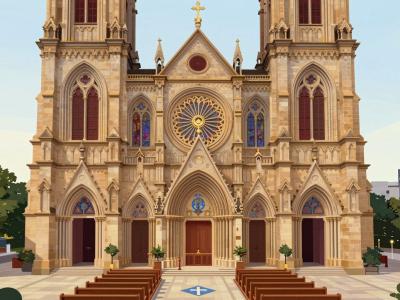
Montreal
French-speaking city with historic Old Port
Quebec
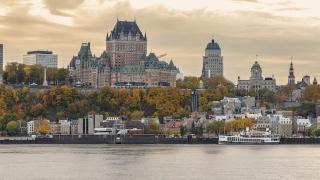
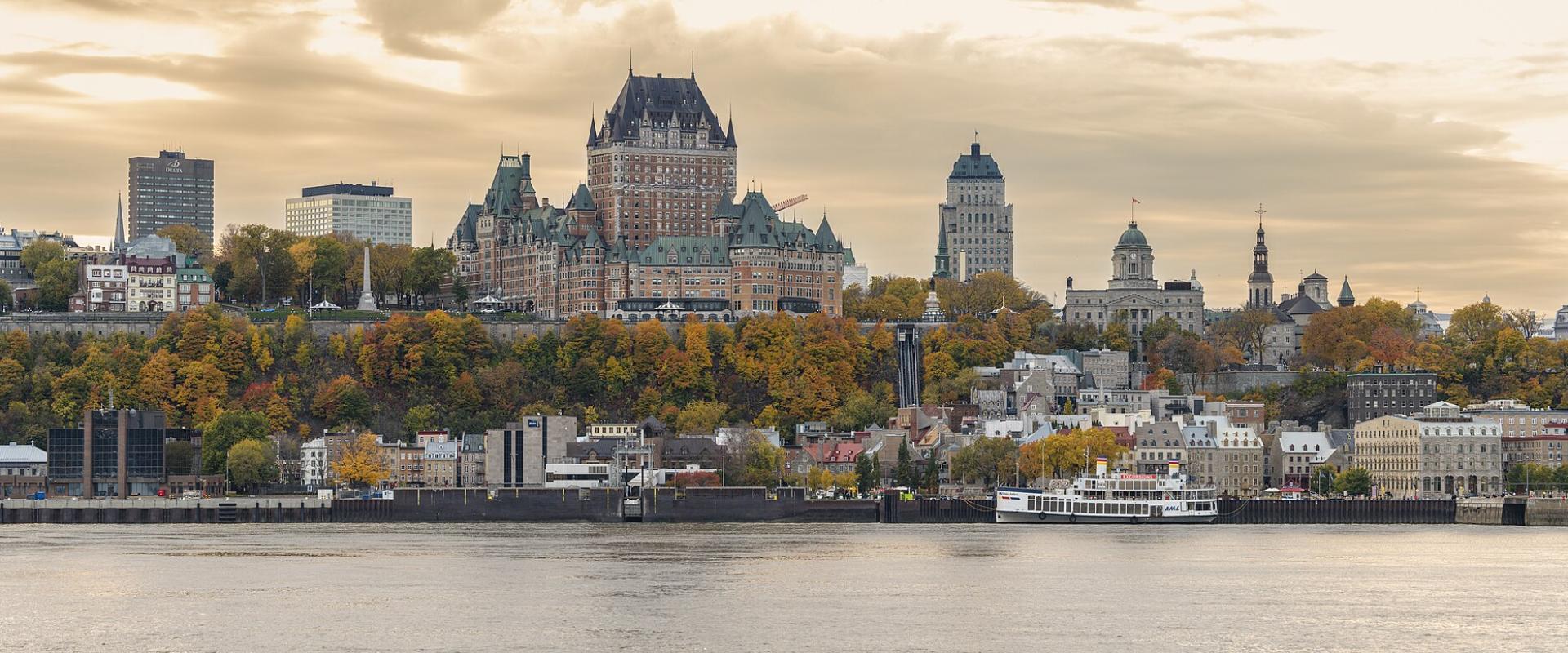
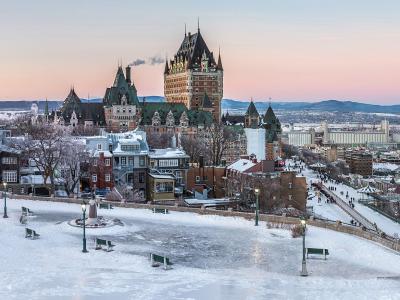
Quebec City
UNESCO walled city with French colonial heritage

Quebec
Old Québec
UNESCO site with French colonial architecture
Quebec
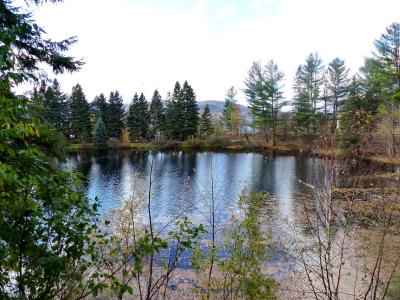
Tremblant
Mountain resort with year-round alpine activities
Quebec
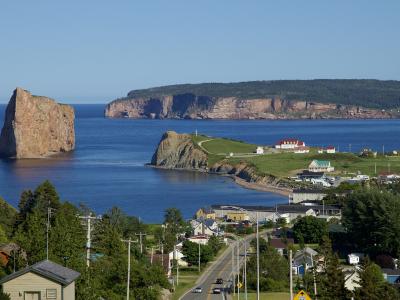
Percé
UNESCO site with iconic rock formation
Quebec
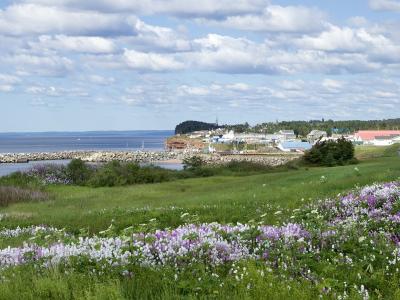
Gaspé
Gaspesie coast, Perce Rock, and the Chic-Choc Mountains
Quebec
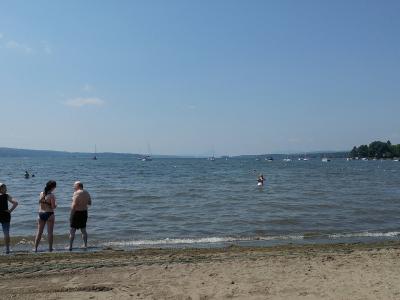
Magog
Lakefront town in Quebec's Eastern Townships
Quebec
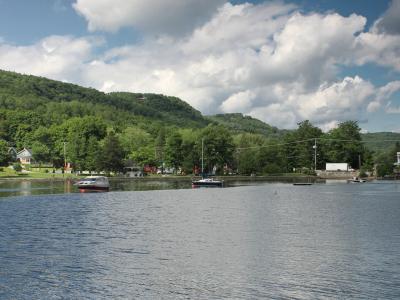
North Hatley
Lakefront village in Quebec's Eastern Townships
What to see
Montreal · Festivals
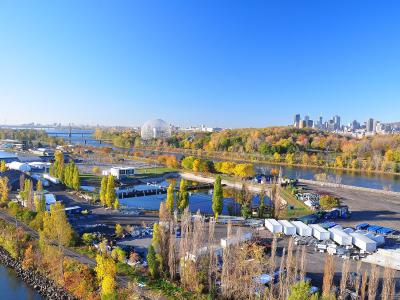
Parc Jean-Drapeau
Island park with Expo 67 sites and St. Lawrence views
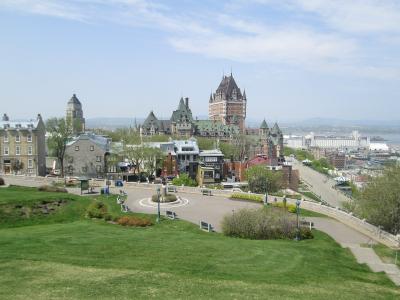
Old Québec · Castles & Forts
Citadelle of Quebec
Perched on Cap Diamant above the St. Lawrence, the Citadelle of Quebec is a star-shaped fortress that dominates the skyl...
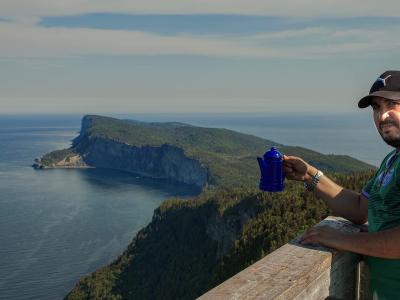
Gaspé · National Parks
Forillon National Park
Quebec's first national park on the Gaspé Peninsula
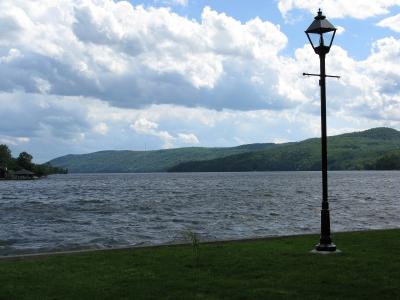
North Hatley · Natural Wonders
Lake Massawippi
Deep lake in Quebec's Eastern Townships
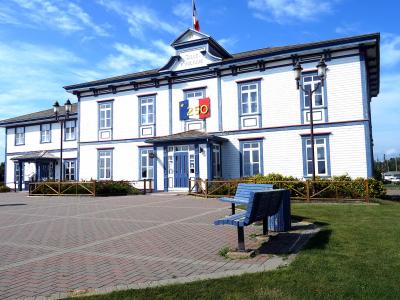
Bonaventure · Culture & Leisure
Musée acadien du Québec
Acadian history museum in Bonaventure, Quebec
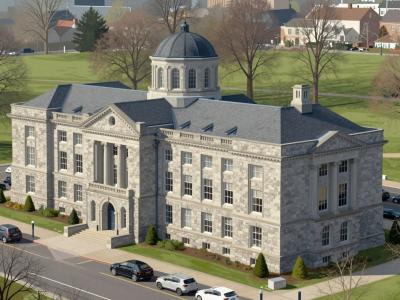
Quebec City · Museums
Musée national des beaux-arts du Québec
At the edge of the Plains of Abraham, a former prison and a glowing modern glass box stand side by side, and together th...
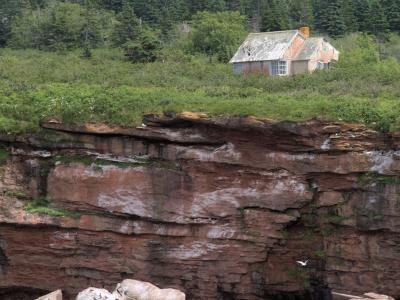
Percé · Coastal & Maritime
Parc National de l'Île-Bonaventure-et-Saint-Étienne
Parc National de l'Île-Bonaventure-et-du-Rocher-Percé is a national park on the eastern tip of the Gaspé Peninsula, in t...
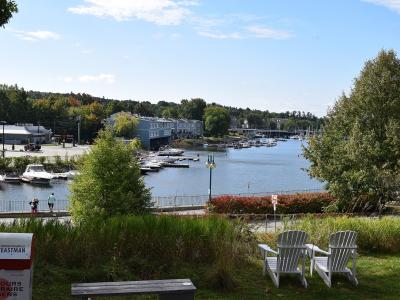
Magog · Food & Markets
Downtown Magog
Downtown district in Magog, Quebec, Canada
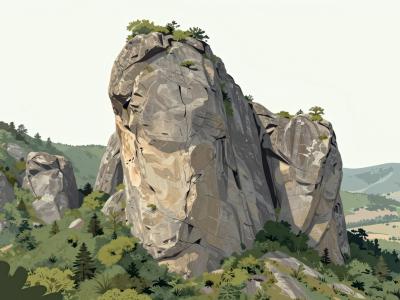
Kamouraska · Coastal & Maritime
Kamouraska Cabourons (Monadnocks)
Imposing monadnocks along the Kamouraska shoreline
Itineraries for Quebec
Day-by-day routes you can follow as written or borrow from.
Stories and tips
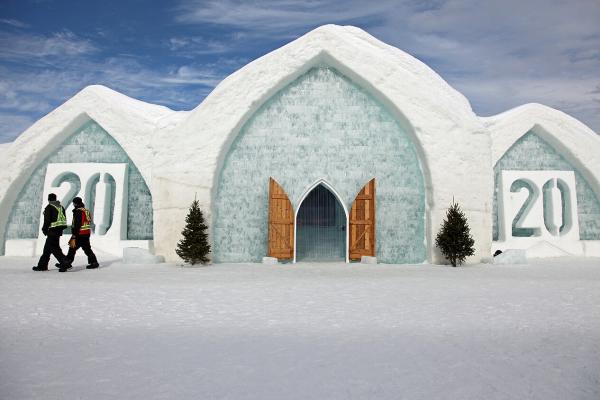
· 10 min read
Hôtel de Glace 2027: Quebec Ice Hotel Dates, Tickets & Overnight Stays
Quebec City's ice hotel: 2026–27 opening dates, visit tickets, a night at -5°C, the ice bar and getting there
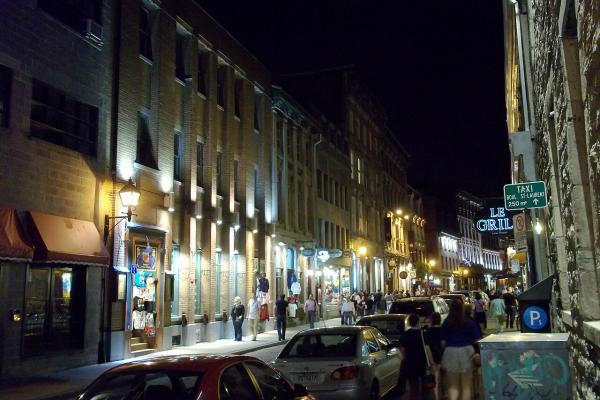
· 12 min read
The Dark Side of Montreal
An enslaved woman hanged, Patriotes on the gallows, ship fever, a burned parliament and the Allan Memorial experiments: the history beneath Montreal's cobbles, and where to find it
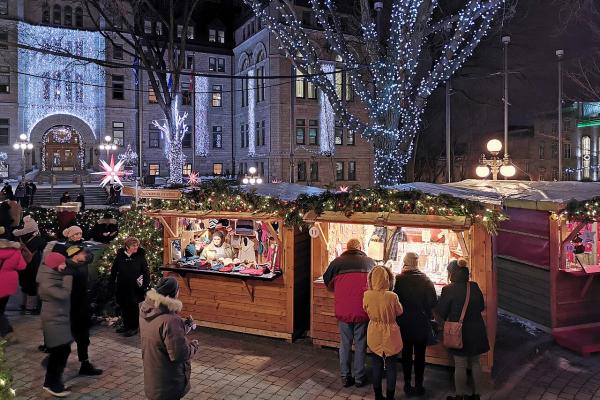
· 11 min read
Québec City German Christmas Market 2026: Dates, Hours & Tips
Six free market sites inside the walls of Old Québec, plus skating, the Dufferin Terrace toboggan and where to stay