







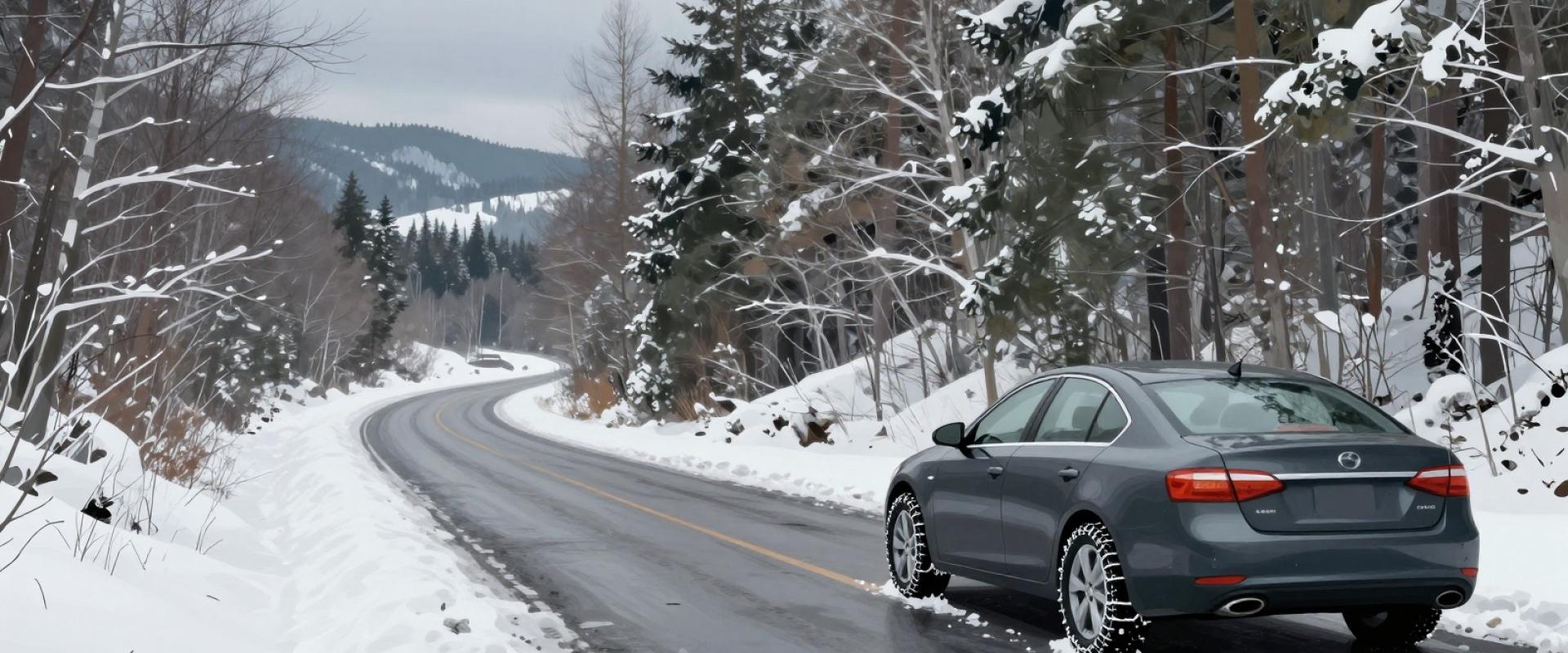
Understanding Canadian Winter Tire Laws
Canadian winter driving requires specific legal compliance. Provinces enforce different tire regulations. Quebec mandates winter tires from December 1 to March 15. This law applies to all vehicles in the province. Drivers must use tires marked with the M/S symbol. This symbol indicates suitability for snow and ice. British Columbia requires winter tires on designated highways. The legal requirement there runs from October 1 to April 30. Other provinces may not mandate winter tires legally. However, they strongly recommend their use for safety. All-season tires often lack sufficient ice traction. Winter tires provide better grip in cold conditions. The rubber compound remains flexible in freezing temperatures. This flexibility is crucial for maintaining control. Stopping distances increase significantly on ice. Data shows a 70% increase in stopping distance. Drivers must account for this extended distance. Penalties for non-compliance vary by province. Fines can be substantial in Quebec. Ignoring the law risks both safety and legal consequences. Winter driving presents significant risks overall. Statistics show 40% of crashes occur in winter. Extreme temperatures can reach -40°C. Preparation is essential for safe travel. Understanding local laws ensures legal compliance. Using appropriate tires protects drivers and passengers. Snow chains are another tool for traction. They are often required during severe storms. Drivers should carry chains in remote areas. Always check local road conditions before traveling. Legal requirements change based on weather events. Authorities may issue temporary chain mandates. Compliance with these temporary rules is mandatory. Failure to comply can result in fines. Safety depends on adhering to these laws. Winter tires are not just recommended. They are often legally required. Understanding these distinctions is vital for travelers. Proper equipment ensures a safer journey. Legal knowledge prevents unnecessary penalties. Always verify current regulations for your route. Provincial laws differ significantly across Canada. Quebec and British Columbia have strict mandates. Other regions rely on recommendations. However, recommendations are based on safety data. Ignoring them increases accident risk. Winter conditions demand respect and preparation. Legal compliance is the first step. Proper tires are the second. Together, they ensure a safer drive. Always prioritize safety over convenience. Winter driving is challenging but manageable. Knowledge of laws reduces uncertainty. Use this guide to stay informed. Stay safe on Canadian roads.
Chain control measures vary significantly across Canadian provinces. These regulations adapt to immediate weather conditions. Drivers must recognize three primary control levels. The "Chain Up" mandate requires immediate installation. You must stop and fit chains. This applies to all vehicles on the route. The "Carry" order requires chains in the vehicle. You must carry them but not install them. This prepares drivers for potential escalation. The "Only" designation restricts travel. Only vehicles with chains or specific tires may proceed. Road signs display these mandates clearly. Transports Quebec and BC Transit enforce these rules. Real-time updates come from provincial transportation authorities. Check 511 websites before traveling. These sites provide current road status. Winter storms can change conditions rapidly. Stopping distances increase by 70% on ice. Chain requirements often activate during heavy snowfall. British Columbia enforces strict chain rules on highways. Quebec mandates winter tires from December to March. Other provinces may require chains during storms. Always carry chains even if not mandatory. Fines for non-compliance can be substantial. Police officers monitor highway checkpoints closely. Failure to comply results in immediate penalties. Understanding these distinctions ensures legal compliance. It also ensures personal safety on icy roads. Always verify specific requirements for your route. Regulations can change based on severity. Check official sources before every trip. This practice ensures safe and legal travel. Winter driving demands strict adherence to local laws. Ignorance of chain laws is not a defense. Prepare for dynamic regulatory environments. Stay informed through official transportation channels. This approach minimizes risk during winter storms.
Selecting and Installing Snow Chains
Canadian winter roads demand reliable traction. Snow chains provide essential grip on ice. Select chains rated for your vehicle size. Verify the chain width matches your tire. Most Canadian highways require specific chain classes. Class 1 chains suit light trucks. Class 2 chains fit heavy-duty vehicles. Always check provincial regulations before purchase. Installation requires careful preparation and patience. Park on level, stable ground. Engage the parking brake fully. Turn off the engine. Lay chains flat behind the tires. Drape them evenly over the tread. Connect the inner hooks first. Ensure links sit straight on the rubber. Tighten the outer tensioners securely. Avoid crossing chains over the tire sidewall. This causes rapid damage and failure. Drive slowly for the first kilometer. This allows chains to seat properly. Re-tighten tensioners after this initial drive. Check for loose links frequently. Remove chains when roads are clear. Wet pavement destroys chains quickly. Clean and dry chains after use. Store them in a cool, dry place. Practice installation at home before travel. Time is critical in emergencies. Winter conditions in Canada change rapidly. Prepare for temperatures below -40°C. Ensure your vehicle has a jack. Carry a shovel and ice scraper. Chain installation takes approximately 15 minutes. Plan extra time for winter travel. Canadian winters are harsh and unpredictable. Proper preparation ensures safe travel. Always check road conditions before departure. Transport Canada provides updated safety guidelines. Follow all local traffic laws strictly. Chain control measures are enforced strictly. Ignoring regulations can result in fines. Prioritize safety over speed always. Canadian roads require constant vigilance. Winter driving requires extra caution. Stay alert and drive defensively. Chain maintenance is essential for safety. Inspect chains for wear regularly. Replace worn chains immediately. Do not risk failure on ice. Canadian winters demand respect and preparation. Always prioritize safety above all else.
Winter Driving Safety Protocols
Canadian winter driving presents significant risks. Statistics show 40% of crashes occur in winter conditions. Stopping distances increase by 70% on ice. Extreme temperatures can reach -40°C. These factors demand strict safety protocols. Drivers must prioritize vehicle control above all else. Safe driving techniques begin with reduced speed. Increase following distance to allow for longer stops. Sudden braking or steering causes loss of traction. Handle skids by steering in the direction of the slide. Do not brake abruptly during a skid. Maintain steady throttle to regain vehicle control. Vehicle maintenance checks are critical for safety. Ensure antifreeze levels are adequate for extreme cold. Test battery strength before the first snowfall. Check all lights for proper visibility. Emergency preparedness is essential for Canadian highways. Carry an emergency kit in every vehicle. Include blankets, food, water, and a flashlight. Keep a shovel and sand or cat litter. These items help if you become stranded. Snow chains provide essential grip on ice. Install chains only when legally required. Follow provincial chain control measures strictly. Recognize chain control levels before entering zones. "Chain Up" mandates require immediate installation. Failure to comply results in fines or delays. Winter tires are mandatory in Quebec from December 1 to March 15. British Columbia requires them on designated highways from October 1 to April 30. Other provinces highly recommend winter tires. They offer better performance than all-season options. Always verify local regulations before traveling. Adherence to these protocols reduces accident risks. Prepare your vehicle for unpredictable Canadian weather. Safety depends on preparation and awareness.
Planning and Preparedness Checklist
Canadian winter driving requires strict preparation. Statistics show 40% of crashes occur in winter conditions. Stopping distances increase by 70% on ice. Extreme temperatures can reach -40°C. These factors demand careful planning. You must carry essential emergency items. Include a shovel, ice scraper, and blanket. Pack extra warm clothing for each passenger. Carry non-perishable food and water supplies. Keep a first-aid kit accessible at all times. Route planning is critical for safety. Check road conditions before departing. Use official provincial transportation websites for updates. British Columbia requires winter tires from October 1 to April 30. Quebec mandates winter tires from December 1 to March 15. Other provinces highly recommend winter tires. Verify chain requirements for specific highways. Technology provides real-time updates on road status. Download official weather apps for your region. Monitor alerts for sudden weather changes. Plan for significant delays during storms. Allow extra time for travel. Unexpected events are common in Canadian winters. Keep your fuel tank at least half full. This prevents fuel line freezing. Ensure your battery is in good condition. Cold weather drains battery power quickly. Carry jumper cables or a portable booster. Inform someone of your travel itinerary. Share your expected arrival time. This ensures help can locate you. Prepare for communication failures. Cell service may be unavailable in remote areas. Carry a physical map as backup. Know the location of rest stops. These provide shelter during severe weather. Proper planning reduces winter driving risks significantly. Adherence to these guidelines ensures safer travel. Always prioritize safety over speed. Canadian roads demand respect and caution.