History
Vancouver’s history is woven from the deep roots of the Coast Salish people, specifically the Musqueam, Squamish, and Tsleil-Waututh, who have inhabited the land for millennia. The arrival of European explorers, notably Captain George Vancouver in 1792, marked the beginning of a new era, though the modern city only took shape later in the 19th century. The city's early development was driven by the timber industry, with vast forests providing the raw material for a booming lumber trade, and the arrival of the Canadian Pacific Railway in the 1880s made it a major Pacific port. Gastown, named after the talkative saloon keeper known as Gassy Jack, is the city's oldest neighborhood and a designated heritage district, and its brick warehouses and cobbled streets are a reminder of the rugged origins that shaped its modern identity.
Main Attractions
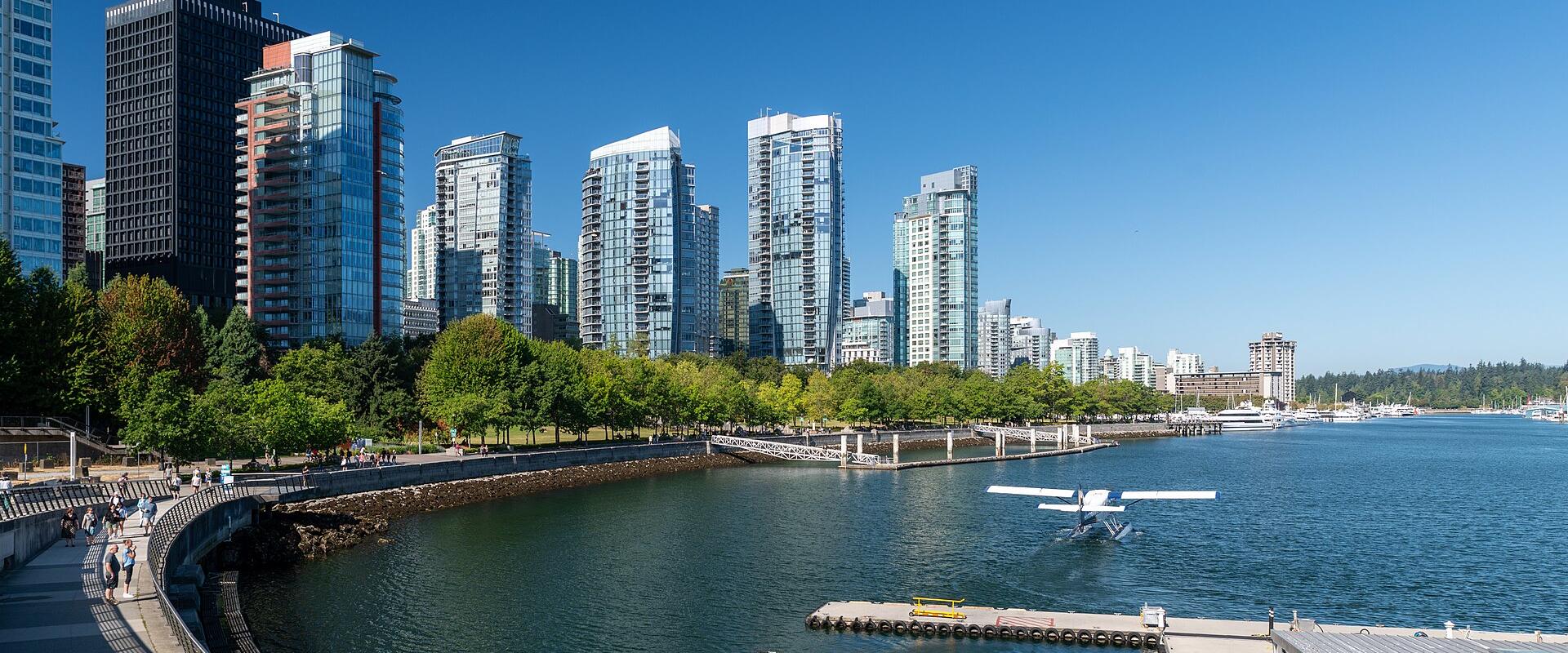
The Museum of Anthropology, at the University of British Columbia, offers a profound look into the artistic and spiritual traditions of the region's Indigenous peoples, showcasing intricate totem poles and ceremonial objects. Nearby, Stanley Park offers a green sanctuary, a contrast to the urban skyline with its ancient forests and winding seawall. The park is also a living ecosystem, home to totem poles that tell the stories of the local First Nations. In the downtown area, the Vancouver Art Gallery is the largest public art museum in Western Canada, and the Vancouver Lookout, at Harbour Centre on Burrard Street, gives a panoramic view of the harbour and mountains. Queen Elizabeth Park, on Little Mountain, offers gardens and views of the skyline.
Markets, Gardens, and Neighbourhoods
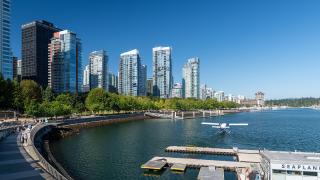
Granville Island Public Market, on a peninsula in False Creek, is the city's best known food market, with stalls of produce, seafood, baked goods, and local crafts, and small studios and theatres nearby. The Dr. Sun Yat-Sen Classical Chinese Garden, in Chinatown, is a walled garden inspired by Ming dynasty design and offers a quiet pause from the city. Science World, with its distinctive dome at the east end of False Creek, is a favourite for families. Across the harbour, Lonsdale Quay Market in North Vancouver is reached by the SeaBus, and the Capilano Suspension Bridge Park offers a walk above a rainforest canyon.
Activities
Visitors to Vancouver can engage in a variety of activities that highlight the city's blend of nature and urban life. The seawall, which encircles Stanley Park, is ideal for walking or cycling, offering panoramic views of the ocean and mountains. In the evening, the food scene in neighborhoods like Gastown and Yaletown offers a culinary exploration, with options ranging from fresh seafood to international cuisine. The city's walkable nature allows for easy exploration of these areas, making it easy to experience the local culture and culinary diversity. Skiing, hiking, and kayaking are all possible within an hour or two of downtown, depending on the season.
Getting There
Vancouver is accessible via Vancouver International Airport (YVR), located on Sea Island. The airport is connected to the downtown core via the Canada Line, a rapid transit link that takes approximately 25 minutes to reach downtown. This efficient transit option makes it easy for arrivals to begin and begin their exploration without the stress of traffic. For those arriving by cruise, the port is located in the downtown area, providing easy access to the city's main attractions. Buses, SkyTrain, and the SeaBus cover most areas of the city.
Best Time to Visit
The best time to visit Vancouver is during the summer months, from June to September. During this period, the weather is warm and dry, with long daylight hours, making it ideal for outdoor activities such as hiking, cycling, and exploring the city's parks. The summer months are also when the city's festivals are in full swing, offering a vibrant cultural experience. While the weather is most pleasant in the summer, the city is accessible and enjoyable year-round, with each season offering a unique perspective on the city's landscape and culture. Winters are mild but rainy, and spring brings cherry blossoms to many streets.
Best time to visit
May through September offers warm, dry weather ideal for outdoor exploration.
What to see in Vancouver
Our picks first.
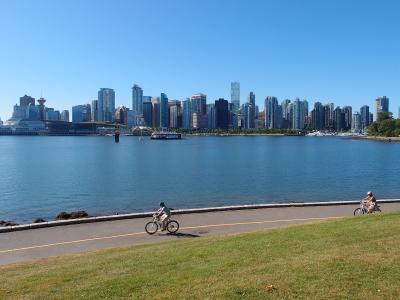
Stanley Park
405-hectare temperate rainforest in downtown Vancouver
Free Coastal & Maritime · Natural Wonders
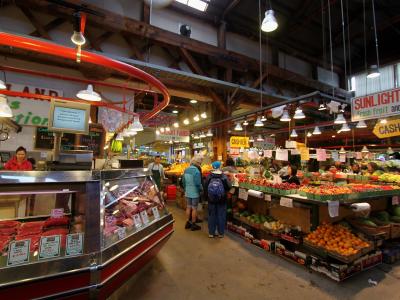
Granville Island Public Market
Free Historic Mills · Markets
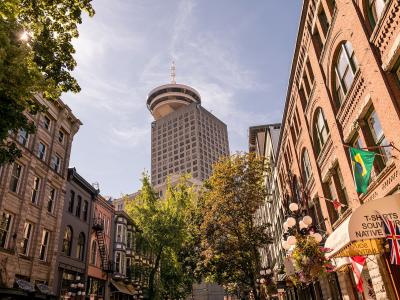
Gastown
Free Food & Markets · History & Heritage
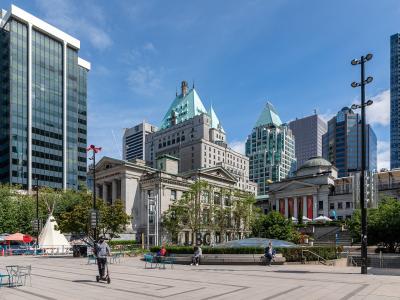
Vancouver Art Gallery
Architecture · Museums
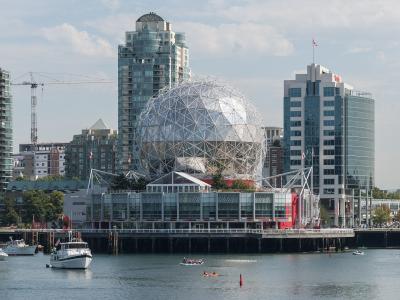
Science World
From $25.50 Architecture · Educational Sites
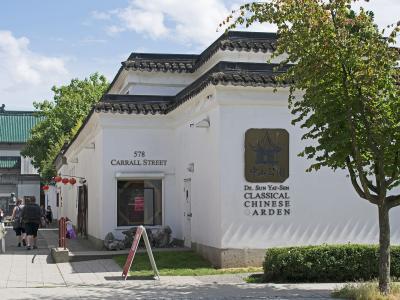
Dr. Sun Yat-Sen Classical Chinese Garden
Architecture · Gardens
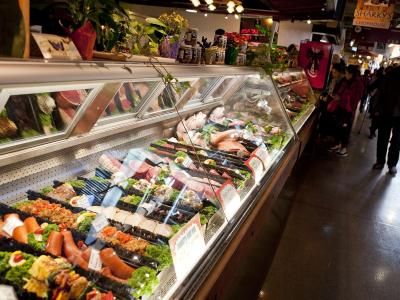
Lonsdale Quay Market
Waterfront public market in North Vancouver
Markets · Waterfronts
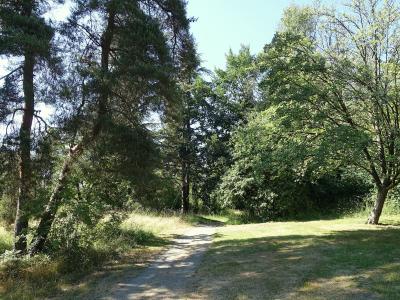
Queen Elizabeth Park
Free Gardens · Geological Sites
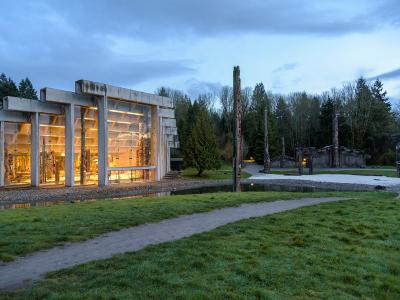
Museum of Anthropology at UBC
Architecture · Educational Sites
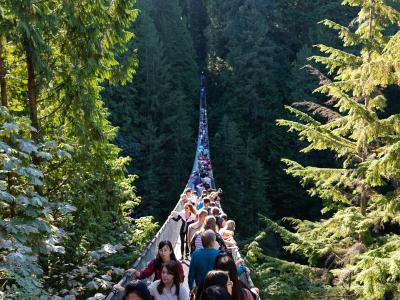
Capilano Suspension Bridge Park
Historic suspension bridge in Vancouver rainforest
Bridges · National Parks
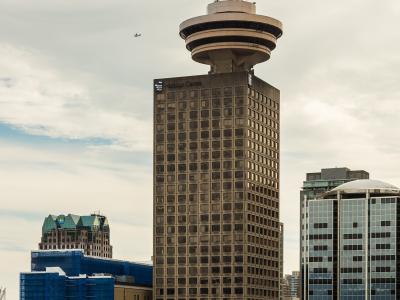
Vancouver Lookout
Observation deck in downtown Vancouver
Guided Tours · Towers
Vancouver by interest
The same sights, grouped by what you came for.
Did you know?
Checked facts about Vancouver, each with its source.
-
Film & TV
Hollywood North: Vancouver's Screen Identity
Vancouver, British Columbia, is widely known as 'Hollywood North' due to its large film and television production industry. The city's diverse landscapes and favorable tax incentives have made it a primary stand-in for various U.S. cities, such as San Francisco, in major film and television productions.
Source: www.mycism.com
Planning a visit to Vancouver
Itineraries that include Vancouver
Good to know
- Currency
- CAD
- Language
- English