





Nova Scotia
Maritime province with rugged coastlines
- 6 destinations
- 33 attractions
About Nova Scotia
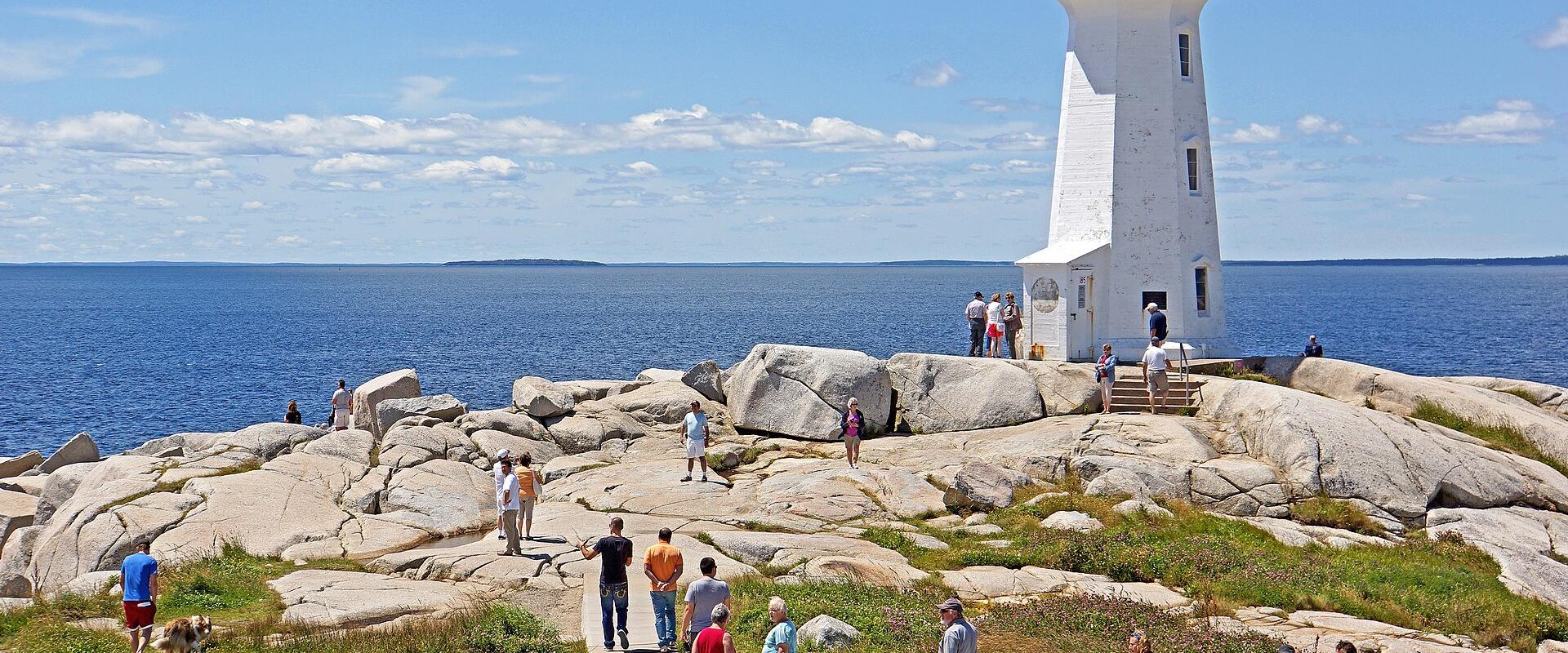
Known as 'Canada's Ocean Playground', Nova Scotia offers a unique blend of rugged coastal beauty, rich maritime history, and vibrant local culture. From the historic charm of Lunenburg to the dramatic shores of the Bay of Fundy, it is a destination that celebrates its Scottish and Acadian heritage through food, music, and tradition.
Nova Scotia is a maritime province located in Atlantic Canada, connected to the rest of the country by a narrow land bridge to New Brunswick. It is bordered by the Atlantic Ocean to the east and south, the Bay of Fundy to the west, and Chignecto Bay to the northwest; that land bridge is the narrow Isthmus of Chignecto. The province includes Cape Breton Island, separated from the mainland by the Strait of Canso, which adds a distinct Gaelic cultural influence to the region. The capital, Halifax, is the largest city in Atlantic Canada and serves as the economic and cultural hub. Other significant urban centers include Dartmouth (across the harbour from Halifax, part of Halifax Regional Municipality) and Sydney on Cape Breton Island. The province is renowned for its dramatic coastline, featuring rugged cliffs, sandy beaches, and the world's highest tides in the Bay of Fundy, which forms the province's western shore. Key attractions include the historic town of Lunenburg, a UNESCO World Heritage Site, and the Cape Breton Highlands, known for their rugged trails and the Cabot Trail, a scenic drive that offers stunning ocean views. Travelers can explore the region's rich maritime heritage through visits to historic sites such as the Citadel in Halifax, the Grand Pré National Historic Site, and the Pier 21 National Historic Site, the gateway through which nearly one million immigrants entered Canada between 1928 and 1971. The region is also known for its fresh seafood, particularly lobster, scallops, and salmon, as well as its vibrant arts and crafts scene, including traditional Mi'kmaq and Acadian cultures. The best time to visit is during the summer months, from June to September, when the weather is mild and ideal for outdoor activities. However, the fall season, particularly in October, is also popular for its stunning fall foliage. Travelers can reach Nova Scotia by air, with Halifax Stanfield International Airport serving as the main gateway, or by road via the Trans-Canada Highway.Where to go in Nova Scotia
Nova Scotia
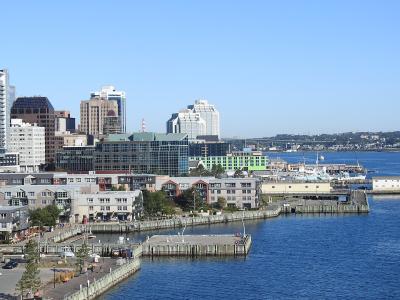
Halifax
Nova Scotian port city with historic star-shaped fort
Nova Scotia
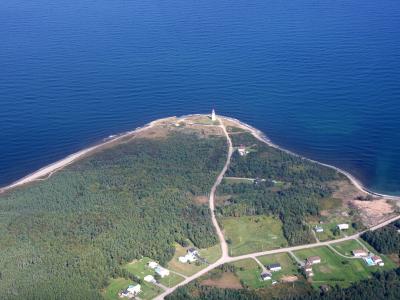
Cape Breton Island
Island destination with dramatic coastal views
Nova Scotia
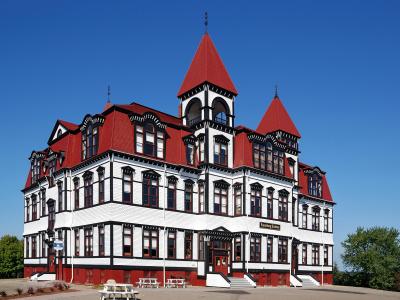
Lunenburg
UNESCO World Heritage site with colorful colonial architecture

Nova Scotia
Wolfville
Annapolis Valley university town on the Minas Basin
Nova Scotia
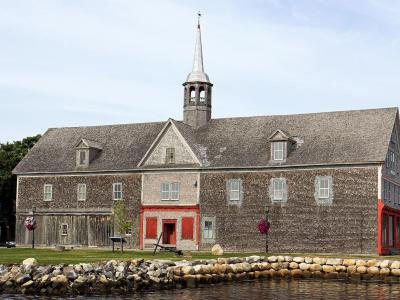
Shelburne
Historic Nova Scotia waterfront and Black Loyalist heritage
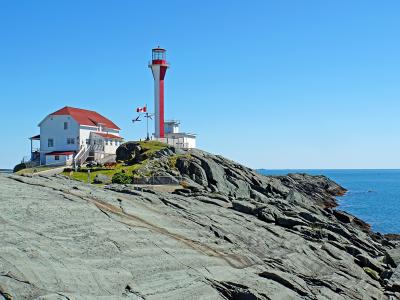
Nova Scotia
Yarmouth
Working waterfront and gateway to Nova Scotia's Acadian Shores
What to see
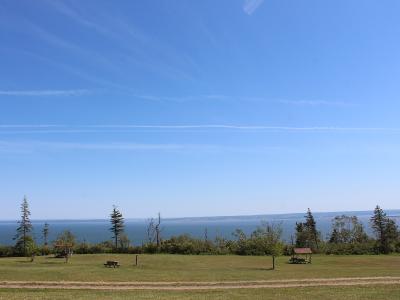
Wolfville · Coastal & Maritime
Blomidon Provincial Park
The Bay of Fundy has the highest tides in the world, and Blomidon Provincial Park is one of the best places to see what...

Cape Breton Island · Coastal & Maritime
Cape Breton Highlands National Park
Cape Breton Highlands National Park covers roughly 950 square kilometres, about 235,000 acres, on the northern tip of Ca...
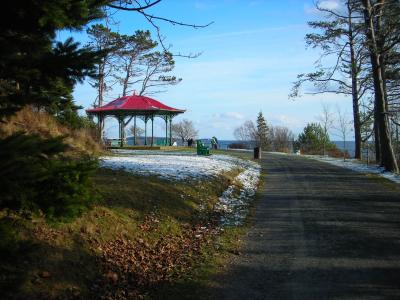
Halifax · Coastal & Maritime
Point Pleasant Park
Point Pleasant Park is a forested peninsula at the southern tip of Halifax, Nova Scotia, and it is the city’s best-known...
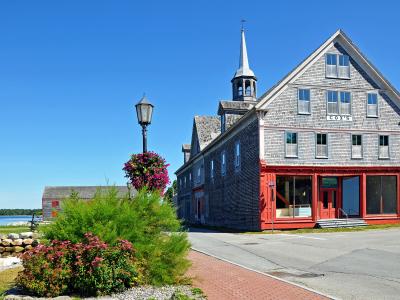
Shelburne · Coastal & Maritime
Shelburne Historic Waterfront
Historic Loyalist waterfront in Shelburne, Nova Scotia
Yarmouth · Architecture
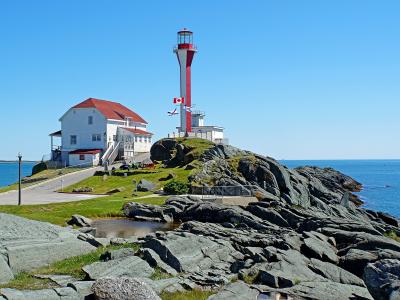
Cape Forchu Lighthouse
1839 lighthouse with keeper’s museum and grounds
Lunenburg · Architecture
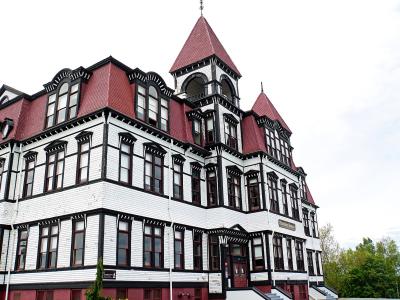
Lunenburg Academy Museum and Art Gallery
The Lunenburg Academy stands on a hilltop above the old town of Lunenburg, Nova Scotia, at 97 Kaulbach Street, and is kn...
Cape Breton Island · Coastal & Maritime
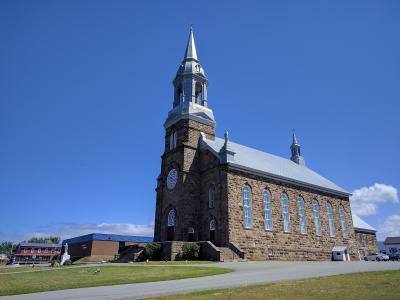
Cheticamp
Cheticamp, spelled Chéticamp in French, is the capital of Acadian life on Cape Breton Island in Nova Scotia. The village...
Halifax · Maritime Museums
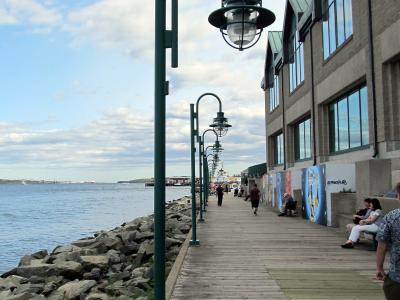
Halifax Waterfront Boardwalk
Halifax’s waterfront has one of the longest downtown boardwalks in North America, and the traditional way to see the cit...
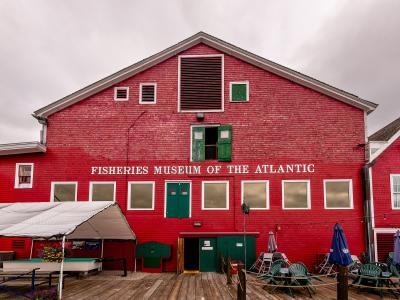
Lunenburg · Historic Towns
Lunenburg Maritime Heritage Centre
Lunenburg’s maritime story is told along its waterfront rather than within a single building. The town, on Nova Scotia’s...
Itineraries for Nova Scotia
Day-by-day routes you can follow as written or borrow from.
Stories and tips

· 16 min read
The Bright Side of Halifax
A 1758 lighthouse, a free press, the Titanic's dead brought home, the 1917 rescuers and a tree for Boston: what Halifax gave the world, and where to see it.
· 8 min read
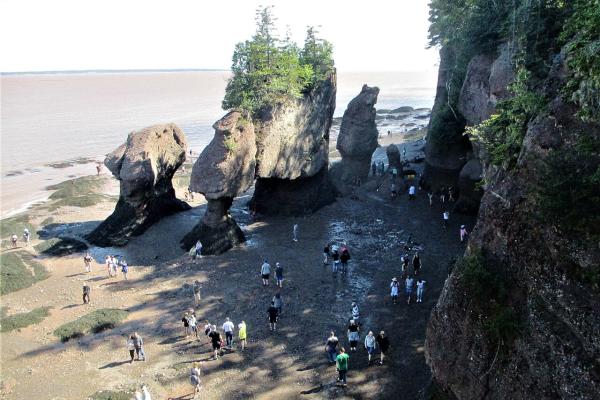
What Is New Brunswick Known For? 9 Things to Know Before You Visit
Fundy tides, Hopewell Rocks, Acadian culture, lobster, covered bridges and Canada's only bilingual province

· 4 min read
Travelling Canada by Train: VIA Rail Routes and Scenic Journeys Compared
A comparison of Canada's main passenger train options, from VIA Rail's Quebec City–Windsor Corridor and the Ocean to Halifax to The Canadian across the country and the Rocky Mountaineer.