







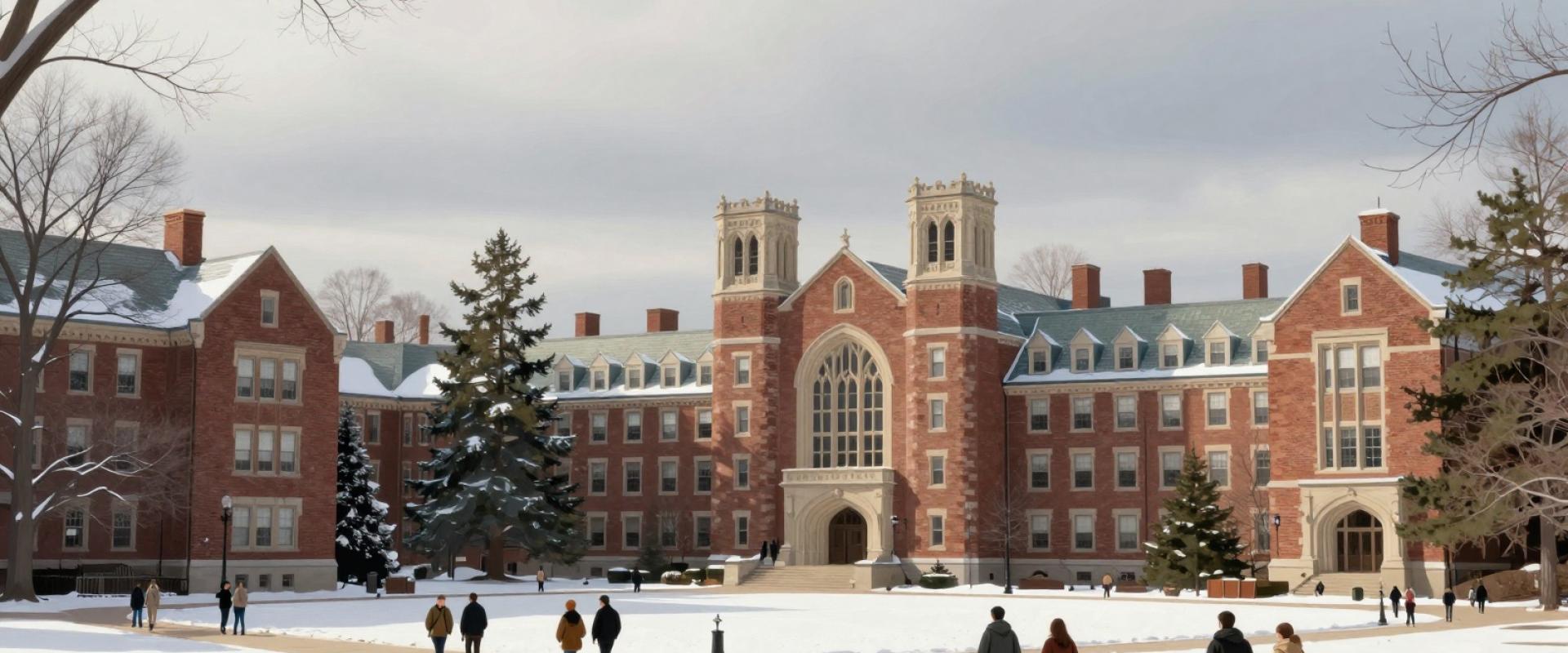
Canada’s higher education system distinguishes clearly between universities and colleges. Universities focus on academic theory and research degrees. Colleges emphasize career-oriented, practical training. You must align your choice with specific career goals. The application process is decentralized. Individual institutions manage their own admissions directly. You apply to each school separately. This requires careful tracking of multiple deadlines. International applicants must prove English or French proficiency. Standardized tests like IELTS or TOEFL are common requirements. Check specific score thresholds for your program. Facilities often include modern labs and libraries. Curricula blend lectures with practical workshops. Professors offer support during scheduled office hours. Canada ranks highly for student safety and inclusivity. A multicultural environment supports diverse international communities. You can join residence halls or clubs. This structure helps build social connections easily. Understanding these differences ensures a successful academic path. Choose the institution type that fits your needs.
Visa Requirements and Compliance
You must secure a Letter of Acceptance from a Designated Learning Institution (DLI) before applying. This document is the primary requirement for your study permit application. You must prove you have sufficient funds for tuition and living expenses. The government requires specific financial evidence to approve your visa. You must also complete mandatory biometrics collection. A medical examination may be required depending on your country of residence. These steps are non-negotiable for legal entry. Once in Canada, you must maintain full-time enrollment status. Falling below full-time status can jeopardize your permit validity. You must comply with all conditions listed on your study permit. This includes working limits and duration of stay. Failure to comply can result in removal from Canada. Always check the official Immigration, Refugees and Citizenship Canada website for updates. Rules change frequently. Keep your documents organized and accessible at all times. This ensures smooth processing of any future applications. Remember that your student status is tied to your academic progress. Maintain good standing with your institution to remain compliant.
Regional Academic Hubs
Toronto hosts major financial and tech institutions. The city offers a diverse, multicultural student environment. Programs align closely with corporate headquarters in the area. Montreal provides a distinct Francophone academic culture. Living costs there are generally lower than in Toronto. Strong aerospace and gaming sectors support relevant university programs. Vancouver features a mild coastal climate year-round. Environmental science and technology industries drive local academic focus. Students benefit from direct industry connections in these sectors. Each hub offers unique career pathways for graduates. Toronto suits finance and business students. Montreal appeals to those seeking affordable Francophone education. Vancouver attracts students interested in sustainability and tech. All three cities have robust international student communities. Campus facilities are modern and well-equipped. Professors maintain accessible office hours for support. Practical, career-centered learning defines the Canadian curriculum. You can join extracurricular activities easily. Residence halls facilitate social integration for newcomers. The system prioritizes practical skills alongside theory. Choose a hub based on your career goals. Industry alignment ensures relevant post-graduation opportunities.
Financial Planning and Work Rights
International students pay significantly higher tuition fees than domestic peers in Canada. This cost difference requires careful financial planning before arrival. You must demonstrate sufficient funds to cover these expenses for visa approval. During your studies, you are permitted to work up to 20 hours per week off-campus. This regulation allows you to earn income while maintaining your student status. Legal employment in Canada strictly requires a valid Social Insurance Number (SIN). You must apply for this number immediately upon arriving in the country. Without a SIN, you cannot legally receive wages from any employer. Filing annual tax returns is a critical financial step for international students. The Canada Revenue Agency offers tuition tax credits for unused education expenses. These credits can reduce your tax liability or be transferred to family members. Understanding these tax benefits helps manage your overall financial burden effectively. Banking in Canada is straightforward, with most major banks offering student accounts. These accounts often waive monthly fees for students with valid study permits. You should open an account shortly after arriving to handle daily transactions. Keep all receipts for tuition payments to support your tax credit claims. This documentation is essential for maximizing your financial benefits in Canada.
Winter Preparedness and Daily Life
Temperatures often drop below -20°C in Canadian winters. You must wear insulated boots and thermal layers. Snow removal is a daily priority for campus safety. Walk slowly on icy paths to prevent falls. Public transit systems like the TTC operate in snow. Check real-time schedules for potential delays during storms. Most universities provide heated walkways between buildings. Campus support services offer academic tutoring and mental health counseling. These resources are free for enrolled students. Canada’s multicultural environment encourages social integration. Join residence halls or student clubs to meet peers. Professors hold office hours for direct academic support. The curriculum emphasizes practical, career-centered learning. Facilities include modern labs and well-stocked libraries. Canada ranks 10th globally on the peace index. This stability supports a safe student experience. Engage in extracurricular activities to build connections. The diverse community values individuality and inclusion. Adapt to the climate to focus on studies. Proper gear ensures comfort during outdoor commutes.