Jasper
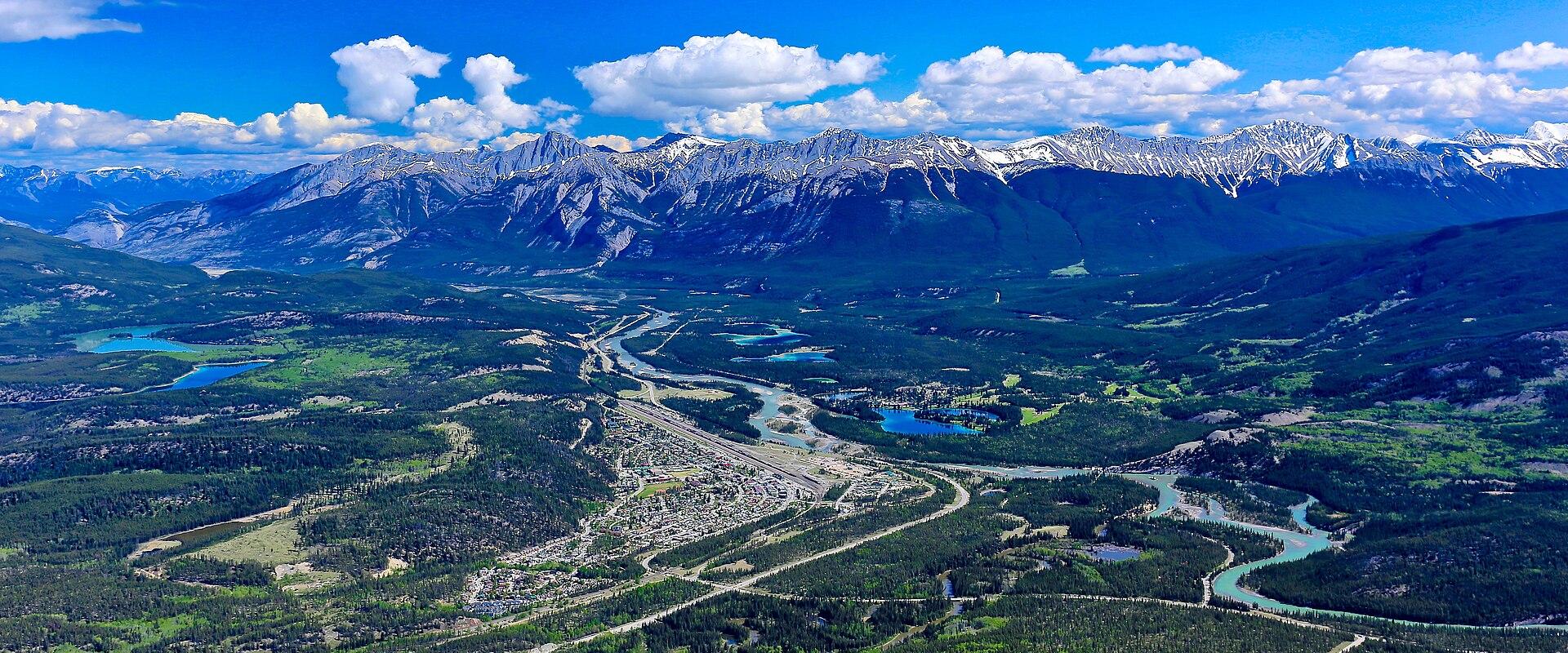
Mountain town at the heart of the largest national park in the Canadian Rockies
History: Fur Traders, Railways and a National Park
Indigenous peoples travelled and hunted in the Athabasca valley for thousands of years before Europeans arrived. In the early nineteenth century, fur traders of the North West Company crossed the Rockies through this area, and a trading post known as Jasper House, named after the clerk Jasper Hawes, gave the region its name. In 1907 the federal government created Jasper Forest Park, and the arrival of two transcontinental railways a few years later brought a town into being at the junction of the routes. Tourism followed, and Jasper Park Lodge opened beside Lac Beauvert in the 1920s. In 1984 Jasper was inscribed, together with Banff, Yoho and Kootenay national parks, as part of what is now the Canadian Rocky Mountain Parks World Heritage Site.
Maligne Valley
East of town, the Maligne Lake Road leads into one of the park's most beautiful valleys. First comes Maligne Canyon, a narrow limestone gorge carved by the Maligne River, crossed by a series of footbridges that look down into its depths. In winter, guided icewalks take visitors onto the frozen canyon floor. Further on lies Medicine Lake, which drains through underground channels and shrinks dramatically in autumn. At the end of the road, Maligne Lake is the largest natural lake in the Canadian Rockies. A boat cruise takes visitors along the lake to Spirit Island, a tiny tree-covered island framed by mountains that is one of the most photographed views in Canada. Canoes and kayaks can be rented at the lakeshore.
The Icefields Parkway and Athabasca Falls
The Icefields Parkway (Highway 93) runs south from Jasper to Lake Louise and is often described as one of the most scenic drives in the world. About 30 kilometres from town, Athabasca Falls pours through a narrow gorge it has cut into hard quartzite, and nearby Sunwapta Falls is another short stop. Around 100 kilometres south of Jasper, the Columbia Icefield, the largest icefield in the Rockies, straddles the boundary with Banff National Park. Its most accessible tongue, the Athabasca Glacier, has retreated well over a kilometre since the nineteenth century, and markers along the trail to its toe show where the ice once stood. Guided glacier tours and the glass-floored Columbia Icefield Skywalk operate from the area in summer.
Around Town
The Jasper SkyTram climbs Whistlers Mountain just south of town, giving panoramic views over the Athabasca valley and, on clear days, as far as Mount Robson, the highest peak in the Canadian Rockies. From the upper station a steep trail continues towards the summit. Closer to town, Pyramid Lake and Patricia Lake are popular for paddling, picnics and evening walks, and Lac Beauvert and Lake Annette offer gentle shoreline trails. In winter, Marmot Basin, south of town, is Jasper's ski area.
Night Skies
Jasper National Park was designated a dark-sky preserve by the Royal Astronomical Society of Canada in 2011, and the Jasper Dark Sky Festival each October brings astronomers, talks and stargazing events to town. On a clear night the Milky Way is easily visible, and the aurora borealis is sometimes seen.
The 2024 Wildfire
In July 2024 a large wildfire spread through parts of Jasper National Park, and on 24 July it reached the town, destroying around a third of its buildings, most of them homes, after all residents and visitors had been evacuated. The town reopened to residents and then to visitors later that summer, and rebuilding continues. Burned forest is visible along some roads and trails, including parts of the Maligne valley. Check Parks Canada for current information on trails, campgrounds and road closures before planning your visit.
Getting There and Practical Tips
Jasper is about four hours' drive west of Edmonton on the Yellowhead Highway and roughly four hours north of Banff along the Icefields Parkway. VIA Rail's long-distance trains stop at Jasper station. A national park pass is required for all visitors. Wildlife is common on the roads: drive slowly, never feed animals and keep a safe distance. Summer is busy and accommodation books up early, while weather can change quickly in the mountains at any time of year.
Best time to visit
Late June to mid-September for lakes, hiking and the Icefields Parkway; December to March for skiing and winter canyon walks; October for the Dark Sky Festival.
What to see in Jasper
Our picks first.
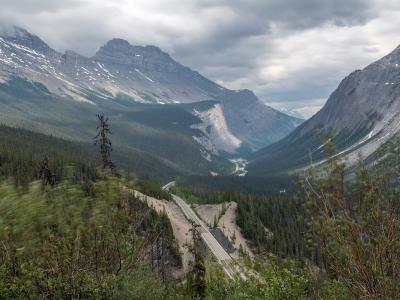
Jasper National Park
The largest national park in the Canadian Rockies, from icefields to dark skies
Natural Wonders
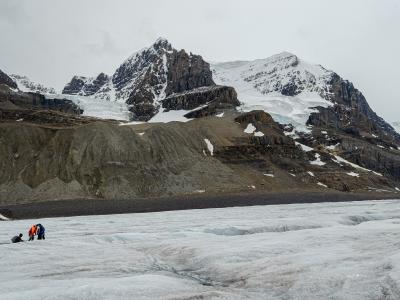
Athabasca Glacier
Retreating tongue of the Columbia Icefield beside the Icefields Parkway
Natural Wonders · Geological Sites
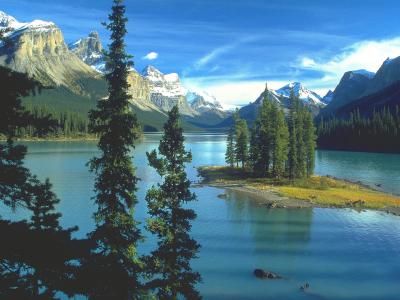
Maligne Lake
The Rockies' largest natural lake and the famous view of Spirit Island
Lakes & Rivers · National Parks
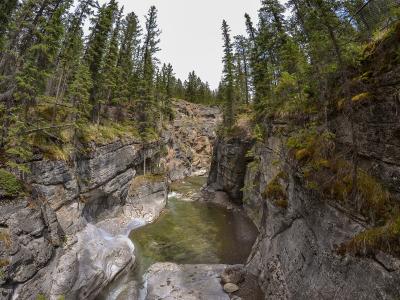
Maligne Canyon
Deep, narrow limestone gorge crossed by footbridges near Jasper
Natural Wonders · Geological Sites
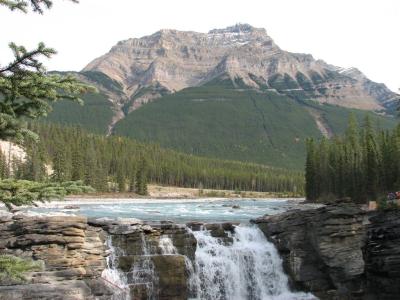
Athabasca Falls
Powerful waterfall thundering through a quartzite gorge on the Icefields Parkway
Natural Wonders · Geological Sites
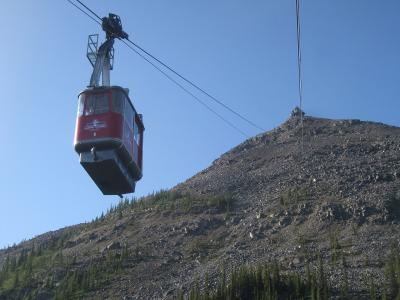
Jasper SkyTram
Canada's longest and highest guided aerial tramway, on Whistlers Mountain
Culture & Leisure · Natural Wonders
Jasper by interest
The same sights, grouped by what you came for.
Planning a visit to Jasper
Good to know
- Currency
- CAD
- Language
- English