

History
Montreal’s history is deeply rooted in its origins as a French colonial settlement, founded in 1642 as Ville-Marie. The city’s name reflects its dual heritage, with French and English influences shaping its cultural and architectural landscape over centuries. The historic district of Old Montreal, or Vieux-Montréal, stands as a testament to this past, featuring cobblestone streets and 17th-century architecture that transport visitors back to the era of New France. The Notre-Dame Basilica, with its intricate Gothic Revival design, serves as a spiritual and historical landmark, reflecting the city’s religious heritage. The city’s evolution from a fur trading post to a major industrial and cultural hub is evident in its diverse neighborhoods, each preserving elements of its unique history. This blend of French and English cultures has created a distinct identity, making Montreal a vibrant center of arts, cuisine, and innovation in North America.
Main Attractions
The primary attraction in Montreal is Mount Royal, a volcanic hill in the heart of the city that offers panoramic views of the skyline and the St. Lawrence River. Designed by Frederick Law Olmsted, the park is a green sanctuary where visitors can hike, bike, or simply relax amidst lush forests and scenic trails. The summit lookout provides a breathtaking perspective of the city, especially during sunset. Another key landmark is the Old Port, a historic waterfront area that combines heritage sites with modern recreational activities. The area features the Notre-Dame Basilica, a masterpiece of Gothic Revival architecture, and the Old Montreal district, with its charming streets and historic buildings. The Montreal Museum of Fine Arts is also a major draw, housing an extensive collection of art from around the world, including significant works by Canadian artists.
Activities
Visitors to Montreal can engage in a variety of activities that highlight the city’s cultural richness and outdoor appeal. The city is renowned for its vibrant food scene, with numerous restaurants offering everything from traditional poutine to high-end French cuisine. The Jean-Talon Market is a popular destination for food lovers, offering fresh produce, artisanal products, and local delicacies. For those interested in arts and culture, the city hosts numerous festivals throughout the year, including the Montreal Jazz Festival and the Just for Laughs comedy festival. Outdoor enthusiasts can enjoy kayaking on the St. Lawrence River or exploring the numerous parks and green spaces. The city’s efficient public transit system, including a 68-station metro, makes it easy to navigate and access these diverse attractions.
Getting There
Montreal is accessible via Montréal-Pierre Elliott Trudeau International Airport (YUL), located approximately 20 kilometers from the city center. The airport offers direct flights from major international hubs, including New York, London, and Paris. For those traveling by car, Montreal is accessible via major highways, including the Trans-Canada Highway. Public transportation is highly efficient, with the Montreal Metro providing a fast and reliable way to navigate the city. The metro system covers major areas, and buses provide additional connectivity. For those who prefer to drive, parking is available in many areas, though it can be expensive and limited in the downtown core.
Best Time to Visit
The best time to visit Montreal is during the spring and summer months, from May to September. During this period, the weather is mild and pleasant, with temperatures ranging from 15°C to 25°C, ideal for outdoor activities and exploring the city’s parks and festivals. The summer months are particularly vibrant, with numerous cultural events and festivals taking place. While the winter months are cold and snowy, they offer a unique charm, with the city transforming into a winter wonderland. However, for those seeking the best weather and a full range of activities, the summer season remains the optimal choice.
Best time to visit
April to May and September to November offer mild weather and fewer crowds.
What to see in Montreal
Our picks first.
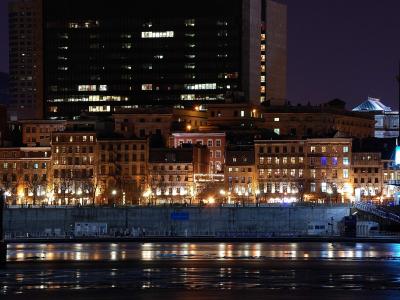
Old Montreal (Vieux-Montréal)
17th-century French quarter with cobblestone streets
Culture & Leisure · History & Heritage
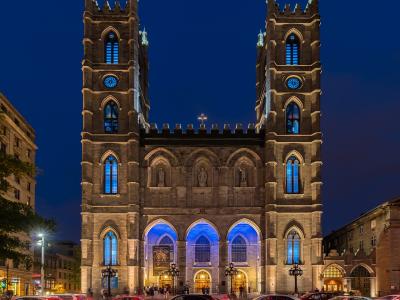
Notre-Dame Basilica
From $14 Culture & Leisure · History & Heritage
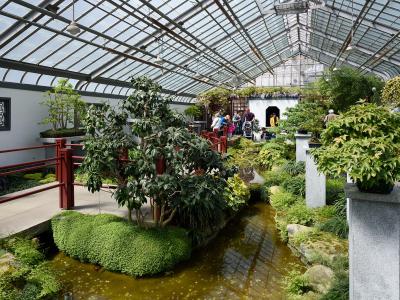
Montreal Botanical Garden
From $23.75 Architecture · Educational Sites
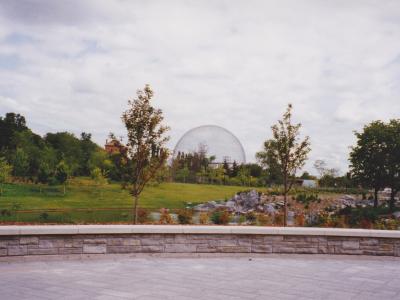
Biodome
Five Americas ecosystems under one roof
Museums · Wildlife Areas
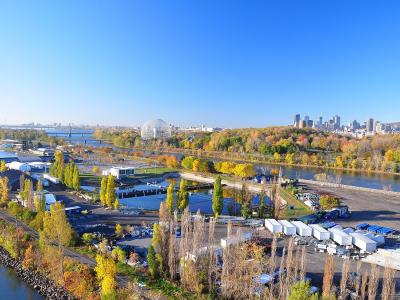
Parc Jean-Drapeau
Island park with Expo 67 sites and St. Lawrence views
Festivals · Islands
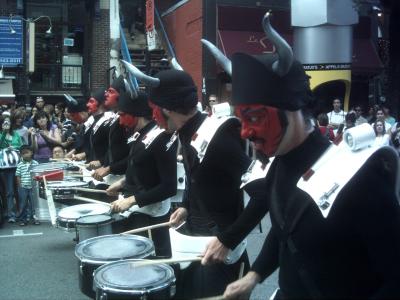
Just for Laughs Festival
Festivals · Theaters
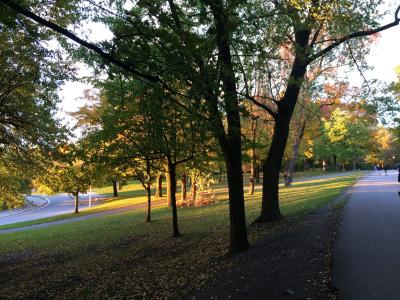
Mount Royal Park
History & Heritage · Natural Wonders
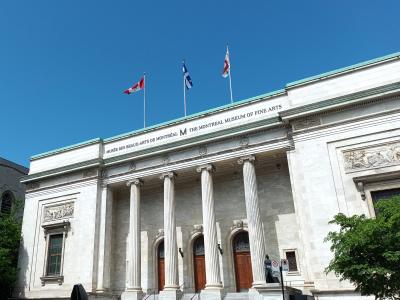
Montreal Museum of Fine Arts
Museums
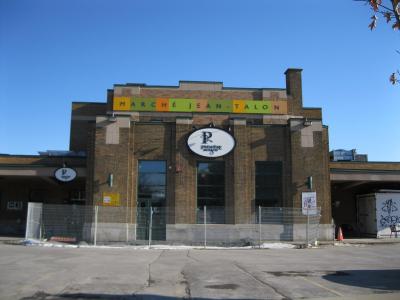
Jean-Talon Market
Free Districts · Historic Houses
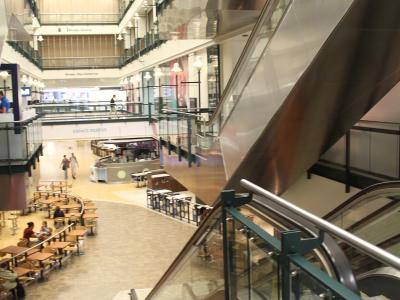
Underground City (RÉSO)
Free Urban & City Life · Guided Tours
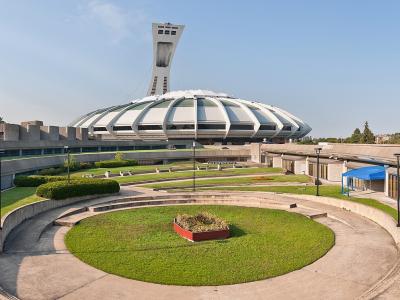
Olympic Stadium
Iconic Montreal stadium with inclined tower
Culture & Leisure · History & Heritage
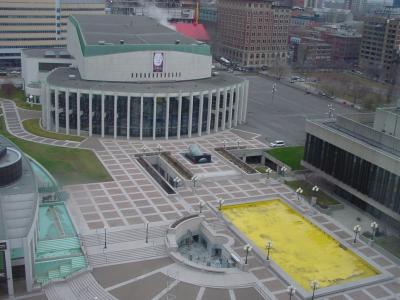
Place des Arts
Culture & Leisure · Urban & City Life
Montreal by interest
The same sights, grouped by what you came for.
Did you know?
Checked facts about Montreal, each with its source.
-
History
Montreal as the Capital of Canada
From 1844 to 1849, Montreal served as the capital of the United Province of Canada, a significant political role in the region's history before the confederation of Canada.
Source: en.wikipedia.org
Planning a visit to Montreal
Itineraries that include Montreal
Good to know
- Currency
- CAD
- Language
- English