Alberta
Vast prairie and rugged mountain landscapes
- 4 destinations
- 27 attractions
About Alberta
Alberta is a province defined by its dramatic contrasts, where the rugged peaks of the Canadian Rockies meet the vast, open expanses of the Great Plains. It offers a unique blend of natural wilderness and vibrant urban centers, providing travelers with a diverse array of experiences. From world-class national parks to thriving cultural hubs, the region captures the rugged spirit and modern vitality of western Canada, inviting visitors to explore its vast natural beauty and dynamic communities.
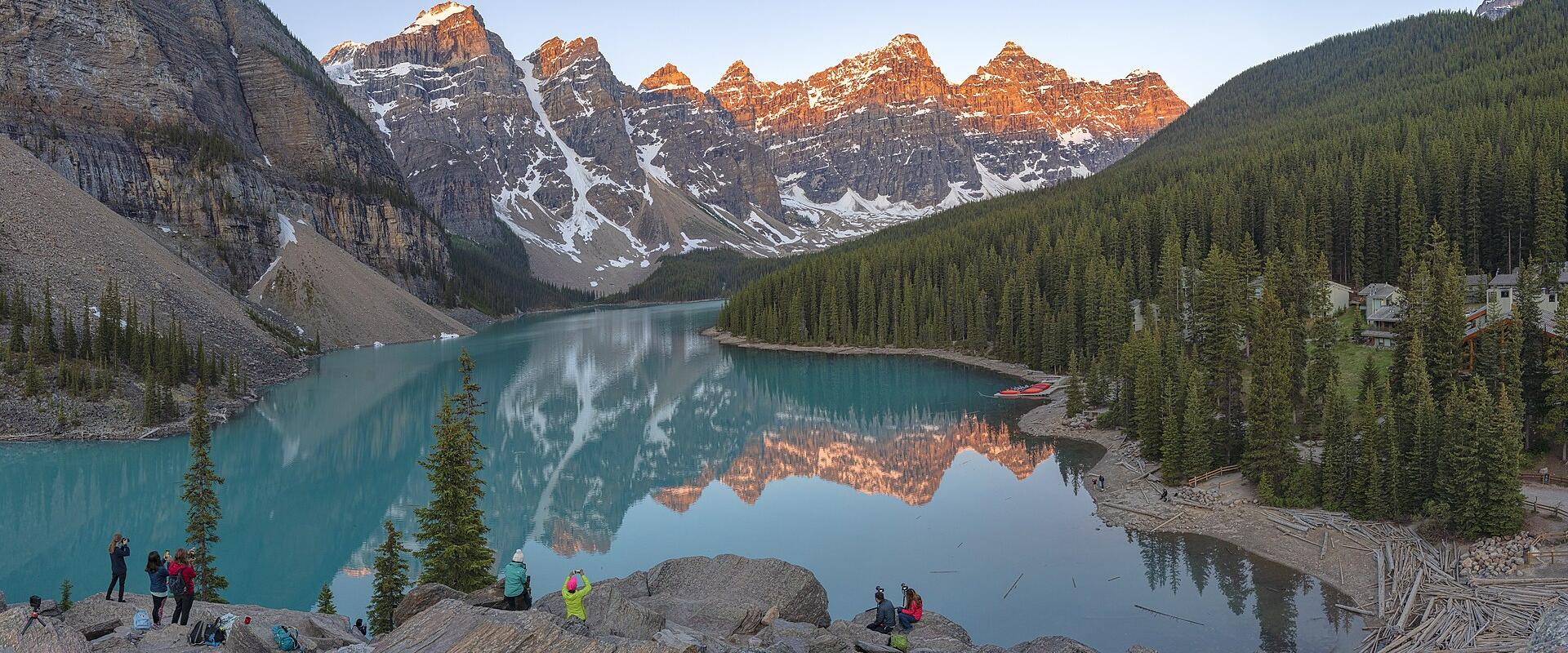
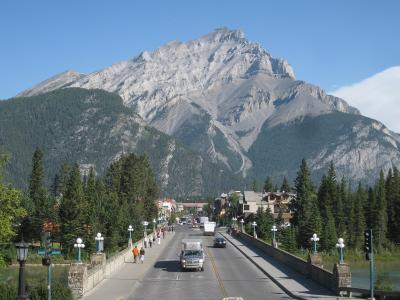
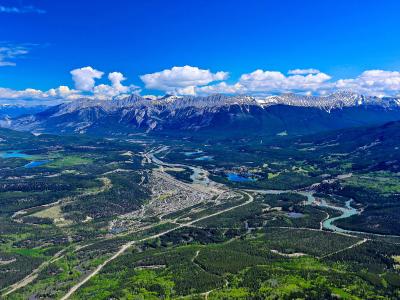
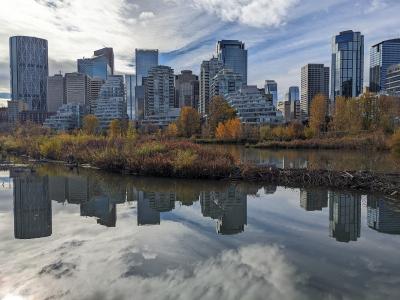
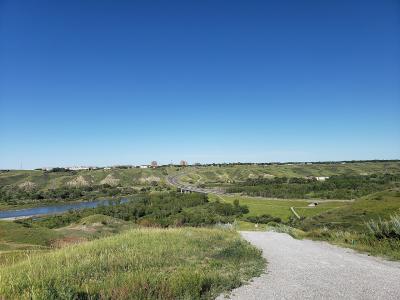
Alberta is a land of striking contrasts, bordered by British Columbia to the west, Saskatchewan to the east, the Northwest Territories to the north, and the U.S. state of Montana to the south. The province spans four broad natural regions: the boreal forest that covers most of the north (with a small pocket of Canadian Shield in the far northeast), the aspen parkland of the central belt, the prairie grasslands of the south, and the Rocky Mountains and foothills along the western edge. This geographic diversity supports a wide range of ecosystems, from boreal forests and peatlands to the iconic Rocky Mountains and the Great Plains. The province is home to major urban centers like Calgary, the gateway to the Rockies, and Edmonton, the provincial capital known for its cultural institutions and the North Saskatchewan River valley parks system, Canada's largest contiguous urban parkland at roughly 7,300 hectares. Smaller towns such as Banff, Jasper, Canmore, and Lake Louise serve as gateways to the provincial and national parks, offering world-class hiking, skiing, and wildlife viewing. Banff and Jasper are particularly renowned for their turquoise lakes, glacial peaks, and abundant wildlife, including grizzly bears, elk, and black bears. Culturally, Alberta is a mosaic of Indigenous heritage, pioneer history, and modern multicultural influences. The province celebrates its First Nations, Métis, and Inuit heritage through museums, cultural centers, and annual festivals. The Calgary Stampede, held annually in July, is a major event that highlights the region's western heritage, featuring a rodeo, exhibition, and concert. Other cultural highlights include the Edmonton International Fringe Festival, the oldest and largest fringe theatre festival in North America, and the Banff Mountain Film and Book Festival, which celebrates adventure and conservation. The best time to visit is during the summer months (June to August) for warm weather and outdoor activities, or in the winter (November to March) for world-class skiing and ice festivals. Travelers can reach Alberta via major airports in Calgary and Edmonton, and get around using a network of highways, public transit, and rail services.Where to go in Alberta
What to see
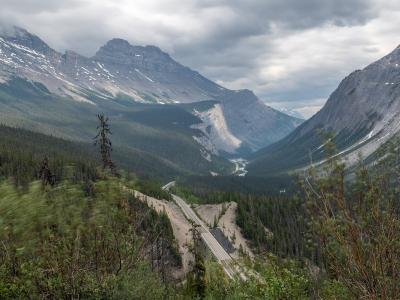
Jasper · Natural Wonders
Jasper National Park
The largest national park in the Canadian Rockies, from icefields to dark skies
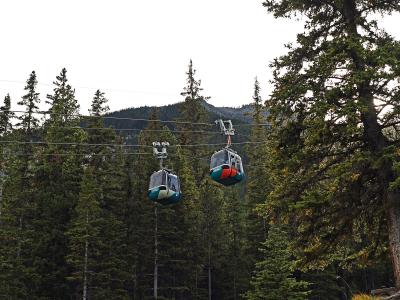
Banff · Natural Wonders
Banff Gondola
Eight minutes is all it takes to go from the streets of Banff to the top of Sulphur Mountain, and the Banff Gondola is t...
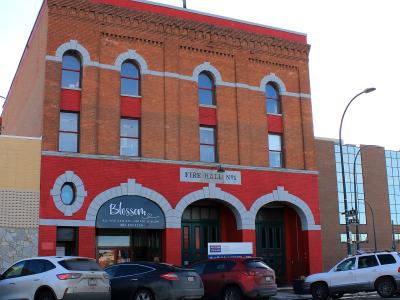
Lethbridge · Culture & Leisure
Downtown Lethbridge
Historic downtown district in Lethbridge, Alberta
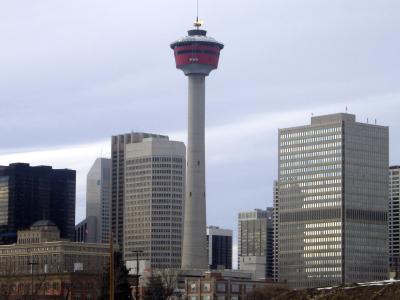
Calgary · Urban & City Life
Calgary Tower
626-foot landmark tower in downtown Calgary
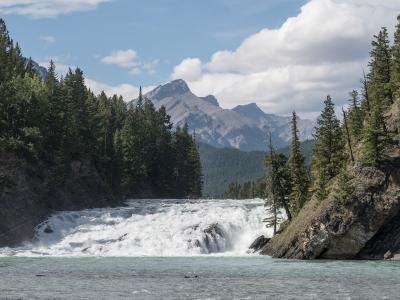
Banff · Natural Wonders
Bow Falls
Bow Falls is not a tall waterfall, but it is a wide one, and it sits within a few minutes of Banff's main street. The Bo...
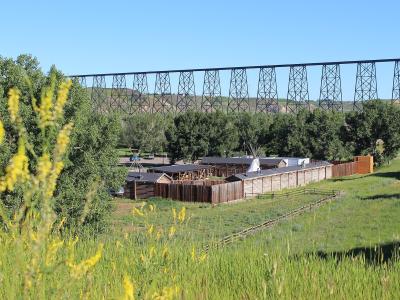
Lethbridge · Castles & Forts
Fort Whoop-Up
Where the St. Mary and Oldman rivers meet in the valley below Lethbridge, a wooden stockade recalls one of the wildest c...
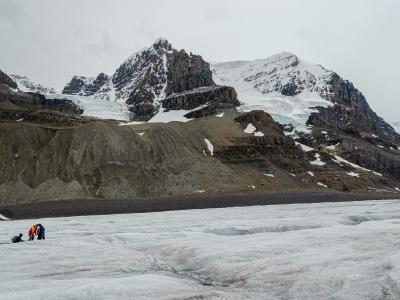
Jasper · Natural Wonders
Athabasca Glacier
Retreating tongue of the Columbia Icefield beside the Icefields Parkway
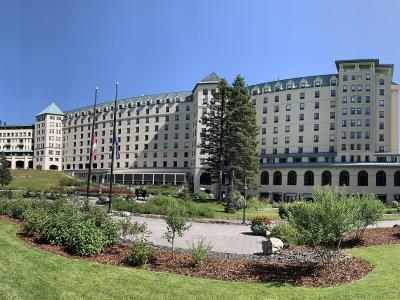
Banff · History & Heritage
Chateau Lake Louise
Historic railway hotel beside Victoria Glacier
Lethbridge · History & Heritage
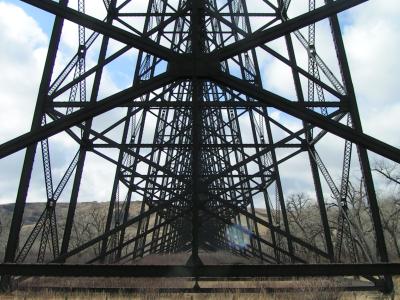
High Level Bridge
Standing on the floor of the Oldman River valley and looking up at the High Level Bridge, many people feel the same thin...
Itineraries for Alberta
Day-by-day routes you can follow as written or borrow from.
Stories and tips
· 4 min read
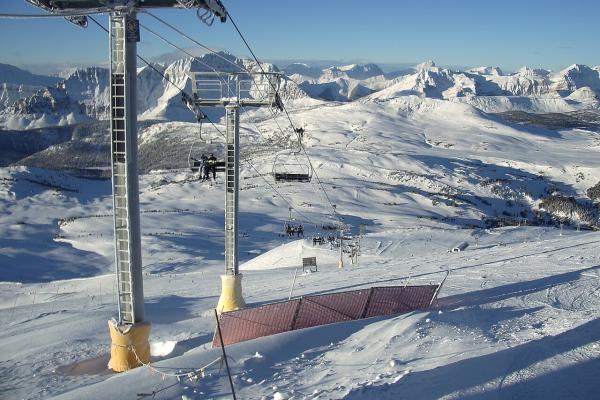
Banff Ski Resorts: Sunshine, Lake Louise and Norquay Compared
How Banff's three ski resorts differ in size, terrain and access, and how to plan lift tickets, shuttles and park passes around them.
· 4 min read
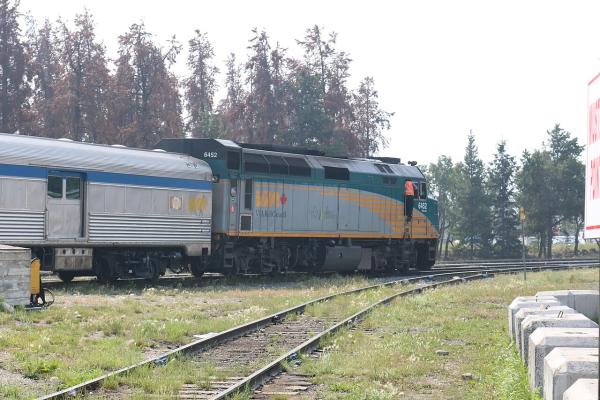
Travelling Canada by Train: VIA Rail Routes and Scenic Journeys Compared
A comparison of Canada's main passenger train options, from VIA Rail's Quebec City–Windsor Corridor and the Ocean to Halifax to The Canadian across the country and the Rocky Mountaineer.
· 4 min read
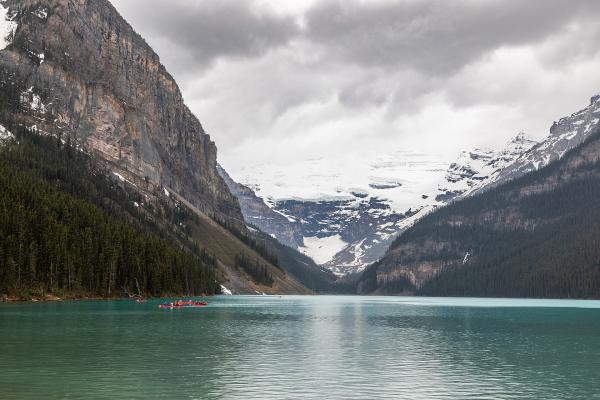
Driving the Icefields Parkway: A Practical Guide from Lake Louise to Jasper
How to drive the Icefields Parkway safely and where to stop between Lake Louise and Jasper.