



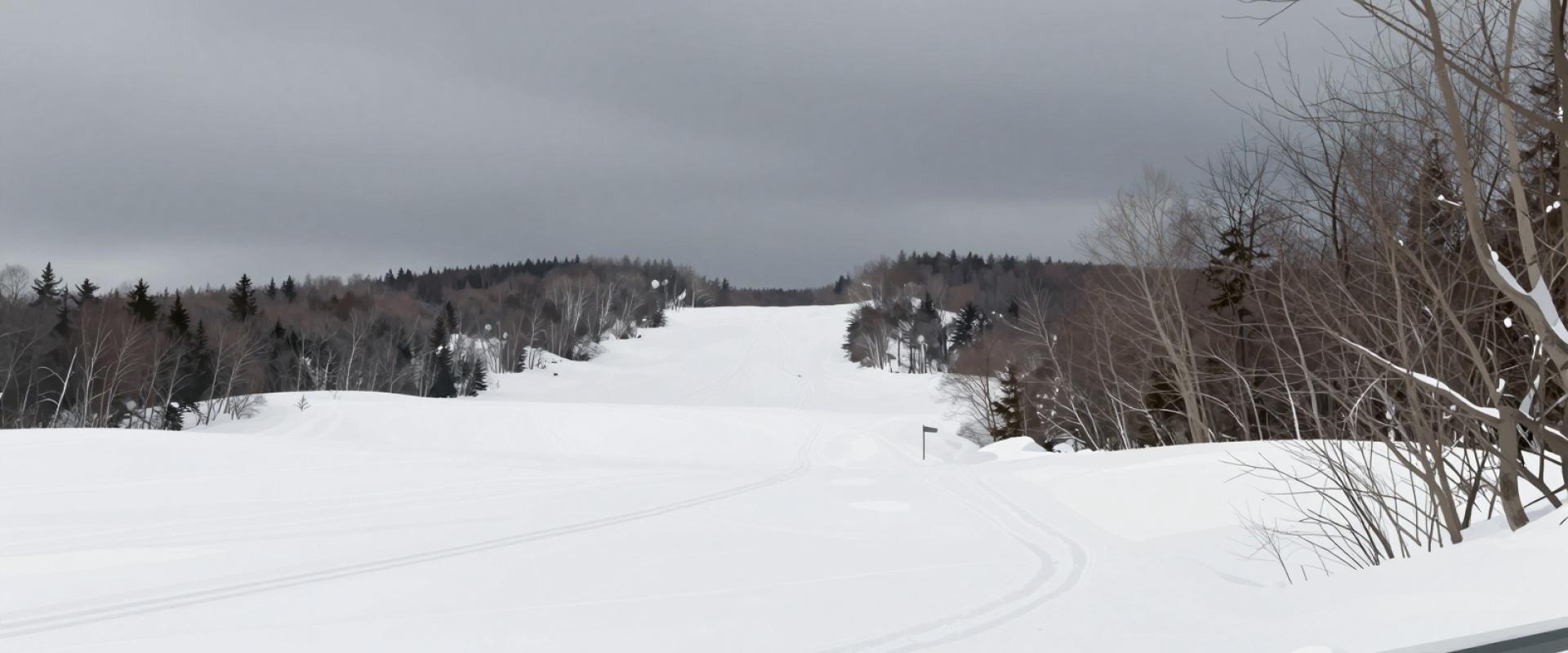
The Great Canadian Winter Landscape
Canada’s vast climate zones define winter sports. Western provinces offer deep powder in the Rocky Mountains. Eastern provinces provide frozen lakes for ice skating. This geographic diversity supports distinct regional travel planning. Skiers in Whistler face heavy snowfall. Skaters in Toronto access urban ice rinks. The contrast is stark. Western terrain demands technical gear for steep slopes. Eastern ice requires stable, frozen surfaces for safe skating. Health Canada notes specific safety needs for both. Protective helmets are essential for all participants. Layering clothing prevents hypothermia in cold air. Sunscreen remains necessary despite winter clouds. Wet clothing increases frostbite risks. These environmental factors shape the experience. Travelers must plan based on local conditions. Western trips require avalanche awareness. Eastern skates require ice thickness checks. The landscape dictates the safety protocol. Canadian winters are not uniform. They vary by province and terrain. This variation defines the Canadian winter sports experience. Planning requires attention to local climate data. Safety depends on understanding these local differences. The landscape is the primary constraint.
Canadian resorts utilize digital ticketing for efficiency. Advance purchase is recommended for peak winter seasons. This approach reduces wait times at base lodges. Trail difficulty ratings are standardized across major resorts. Green circles indicate easy, groomed slopes. Blue squares denote intermediate, groomed trails. Black diamonds signal expert, steep terrain. Skiers must assess their skill level before descending. Shuttle services connect remote lodge parking areas. These buses operate on fixed, frequent schedules. They transport guests from parking lots to lifts. This infrastructure reduces traffic congestion significantly. Real-time condition checks are essential for safety. Weather changes rapidly in the Canadian Rockies. Always verify current trail closures before heading out. Health Canada advises checking gear before each session. Secure all equipment to prevent accidents on the slopes. Layering clothing is critical for cold, wet conditions. Always prioritize safety over speed on the mountain.
Safety Protocols and Gear Essentials
Skiers and snowboarders must follow the Canadian Rescuable Skiing Code. This code outlines personal responsibility on the slopes. Always stay in control of your speed. You must yield to other users. Always look uphill before merging. Wear a certified helmet for head protection. This gear is essential for all winter sports. Layer clothing to manage body temperature effectively. Use moisture-wicking base layers to stay dry. Avoid cotton, which retains cold moisture. Apply sunscreen to exposed skin, even on cloudy days. UV rays remain strong in cold, high-altitude environments. Ice skaters should inspect blades for sharpness. Check bindings and boots for secure fits. Always wear a helmet on frozen lakes. Canadian winters demand specific, protective gear. Always carry extra warm layers. Hydrate frequently, as cold air causes dehydration. Never ignore signs of cold stress. These measures ensure safe, enjoyable winter recreation across Canada.
Urban Ice Skating and Recreational Options
Urban ice skating offers a distinct Canadian cultural experience. The Rideau Canal Skateway in Ottawa is the world’s largest naturally frozen ice rink. It stretches for 7.8 kilometers through the city center. This route connects downtown to the Parliament Buildings. Skaters glide on natural ice formed by cold temperatures. The experience is free and accessible to the public. Other major cities like Montreal and Toronto offer similar public rinks. These urban rinks provide a safe, controlled environment for recreation. Skaters can rent skates at most major urban centers. This option is ideal for visitors without their own gear. Safety remains a priority for all participants. Skaters should wear appropriate winter clothing and protective gear. The cold weather requires layered clothing to maintain body heat. Hydration is also essential during physical activity. The urban setting allows for easy access to warm-up areas. Local cafes often line the rink perimeters. This integration of culture and sport defines the Canadian winter. Skaters can enjoy the scenery while exercising. The community atmosphere is a key feature of the experience. Local events often accompany the skating season. These events enhance the overall recreational value. The experience is accessible to skiers and snowboarders taking a break from slopes. It provides a necessary rest from physical exertion. The urban environment offers a unique contrast to mountain sports. Skaters can experience the city’s architecture up close. The ice surface reflects the surrounding urban landscape. This visual aspect adds to the aesthetic appeal. The experience is suitable for all skill levels. Beginners can take lessons at local rinks. Experienced skaters can enjoy the open ice. The flexibility of urban skating allows for flexible scheduling. Skaters can visit at any time during operating hours. The experience is a key part of Canadian winter culture.
Planning and Practical Tips
Check weather forecasts daily before heading out. Canadian winters bring sudden temperature drops. Dress in layers to manage body heat effectively. Wear certified helmets for head protection on slopes. Use wrist guards to prevent injury during falls. Apply sunscreen to exposed skin, even on cloudy days. UV rays remain strong in high-altitude environments. Drink plenty of water to stay hydrated. Dehydration occurs quickly in cold, dry air. Change out of wet clothing immediately after activity. This prevents heat loss and potential hypothermia. Supervise children closely while they play outdoors. Canadian winters require specific gear for safety. Always inspect equipment before starting any activity. Ensure all bindings are secure and functional. Take lessons if you are a beginner. Professional instruction ensures proper technique and safety. Respect the environment by packing out all trash. Leave no trace in natural settings. Support local businesses that prioritize sustainability. This approach helps preserve the Canadian landscape for future generations. Responsible tourism is essential for maintaining these natural spaces. Always check local regulations before visiting specific areas. Regulations may vary by province and park. Plan your trip well in advance. Book accommodations and equipment early to secure the best options. This ensures a smooth and enjoyable experience for all winter sports enthusiasts.