Musée national des beaux-arts du Québec
- Where
- Quebec City, Quebec
- Directions
- Directions
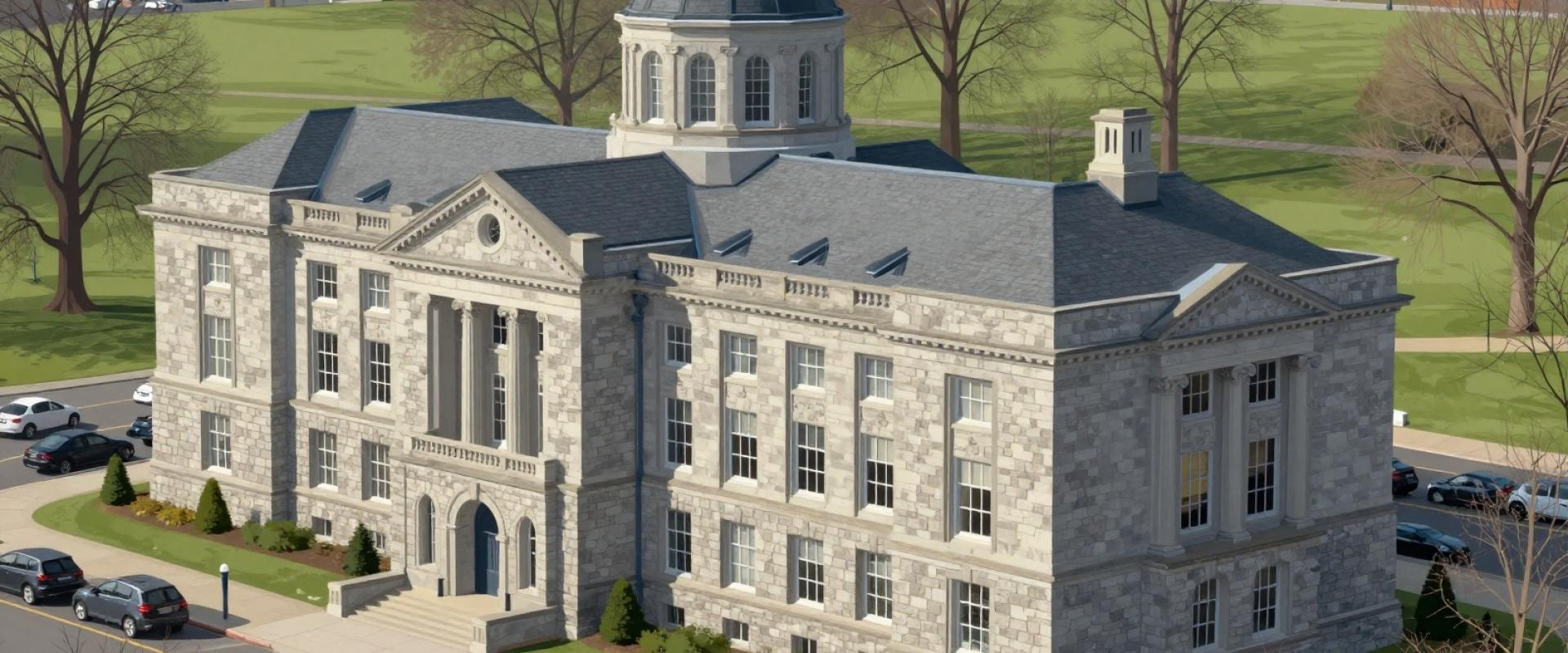
At the edge of the Plains of Abraham, a former prison and a glowing modern glass box stand side by side, and together they hold the finest collection of Quebec art anywhere. The Musée national des beaux-arts du Québec, usually shortened to MNBAQ, lies at 179 Grande Allée Ouest, inside Battlefields Park in Quebec City, a walk of about twenty minutes west of Old Québec's walled town. It is a complex of several buildings that have been added over the years, and the layout is part of the interest.
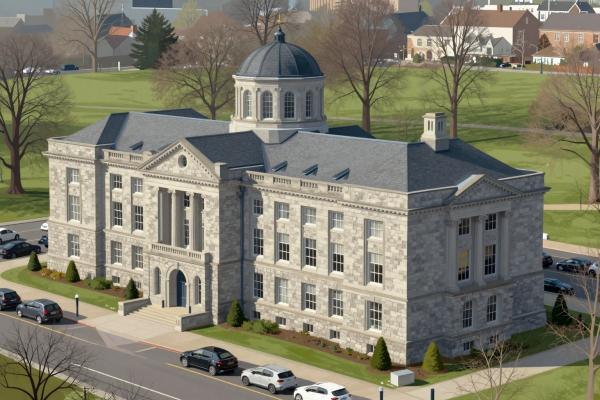
The oldest building, the Gérard-Morisset Pavilion, opened in 1933 as the Provincial Museum and has a classical stone facade. A short distance away stands the Charles-Baillairgé Pavilion, the former Quebec City prison, a severe stone building from the 1860s that was converted for the museum in the 1990s, and visitors can still see traces of its cell blocks. The newest addition, the Pierre Lassonde Pavilion, opened in 2016 and was designed by the firm OMA. Its glass and stone volume rises over the park like a cantilevered box and contains galleries, a restaurant and a grand staircase. The three are linked by walkways and an underground passage.
The museum calls itself the living memory of Quebec art, and its collections reach from the 17th century to the present. Early religious art, portraits and landscapes show how artists responded to the colony, and the 19th and 20th centuries bring in painters, sculptors and photographers who shaped modern Quebec identity. The National Art collection, Decorative Arts, silver and furniture show the craft traditions of the province. Inuit art is a significant strength, along with Indigenous art more broadly, and Contemporary Quebec Art fills several galleries. The museum has devoted the Riopelle Space to Jean-Paul Riopelle, one of the most important Canadian painters of the 20th century, with an immersive installation that brings together his large canvases, sculptures and archival material.
Visitors will find guided tours and workshops often available, and temporary exhibitions bring work from around the world. Admission prices and discounts vary by age, and online tickets are usually available, so check the official website for current rates, opening days and exhibition details. Road works around Grande Allée have caused detours at times, so look at access information before travelling.
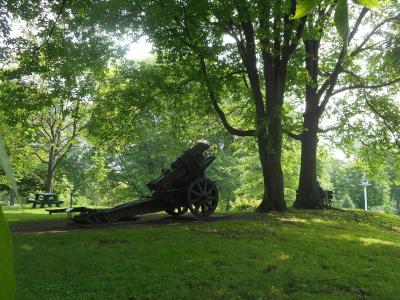
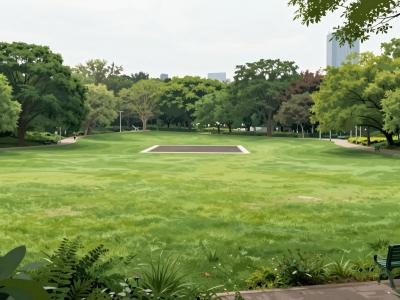
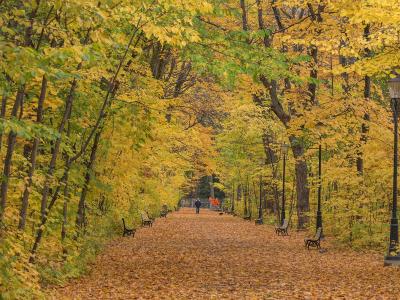
The gallery is next to the Plains of Abraham, so a visit pairs naturally with a walk through the park. Art lovers, history readers and families all find something here, and an afternoon fits it comfortably.
Categories
More photos coming soon
Questions people ask
Quick Facts
Best Time to Visit
June through September offers warm weather, while winter provides a magical, snow-covered experience.