History
The history of Banff is deeply rooted in the ancient presence of Indigenous peoples, particularly the Blackfoot, Stoney Nakoda, and Ktunakha, who have traversed the Bow Valley for thousands of years. The area was a sacred place for trade, ceremony, and healing, with the hot springs serving as a spiritual gathering point. In 1883, the discovery of natural hot springs by Canadian Pacific Railway workers led to the establishment of the Banff Hot Springs Reserve, the precursor to Banff National Park, Canada’s first national park. This marked the beginning of the region’s transformation into a protected wilderness area and a premier tourist destination. The Canadian Pacific Railway played a pivotal role in developing the area, building the iconic Fairmont Banff Springs Hotel to attract visitors and fund the railroad’s expansion. Today, the area honors its Indigenous heritage through partnerships and educational programs, acknowledging the deep historical connection of the Ktunak, Nakoda, and Stoney Nakoda First Nations to the land.
Main Attractions
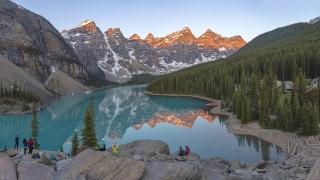
The primary attraction in the region is the stunning natural landscape, dominated by the Canadian Rockies. Lake Louise, with its turquoise waters and the imposing Victoria Glacier, is a iconic landmark that draws visitors from around the world. The Fairmont Chateau Lake Louise, located on the shores of the lake, offers a historic and luxurious vantage point. Another key destination is the Moraine Lake, known for its brilliant blue color and the surrounding Ten Peaks, which provide a dramatic backdrop. The Banff Upper Hot Springs offer a chance to relax in natural hot springs, a tradition that has continued for over a century. These natural landmarks are complemented by cultural sites such as the Buffalo Nations Luxton Museum, which showcases the history and culture of the Indigenous peoples of the region.
Activities
Visitors to the Banff area can engage in a wide variety of activities, depending on the season. In the summer, hiking is the most popular activity, with numerous trails ranging from easy walks to challenging mountain hikes. Canoeing and kayaking on Lake Louise and Moraine Lake are also popular options. In the winter, the area transforms into a haven for winter sports, with skiing, snowboarding, and snowshoeing available at Mount Norquay, Banff Mountain, and Sunshine Resort. For those seeking a more relaxed experience, horse-drawn carriage rides and spa treatments are available. The region also offers opportunities for wildlife viewing, with guides offering tours to spot elk, bears, and other local wildlife.
Getting There
Banff is located approximately 120 kilometers west of Calgary, accessible via the Trans-Canada Highway (Highway 1) and the Banff Access Road (Highway 1A). The drive from Calgary takes approximately 1.5 hours. For those traveling without a car, there are several options, including shuttle buses and tour buses that operate between Calgary International Airport and Banff. The Banff Transit system also provides public transportation within the town, connecting major attractions. It is important to note that during peak seasons, traffic can be heavy, and advance planning is recommended.
Best Time to Visit
The best time to visit Banff depends on the activities preferred. For winter sports, the best time is from December to March, when the snow conditions are optimal for skiing and snowboarding. For those who prefer warmer weather and outdoor activities like hiking and canoeing, the best time is from June to September. During these months, the weather is generally mild, and the natural beauty of the region is at its peak. However, this is also the peak tourist season, so visitors should expect larger crowds and higher prices. Visiting in the shoulder seasons of spring (May) or fall (September) can offer a balance of good weather and fewer crowds.
Best time to visit
June to August for warm weather; December to March for winter sports.
What to see in Banff
Our picks first.
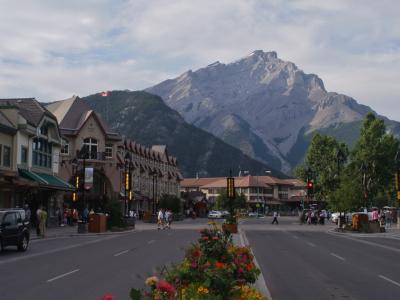
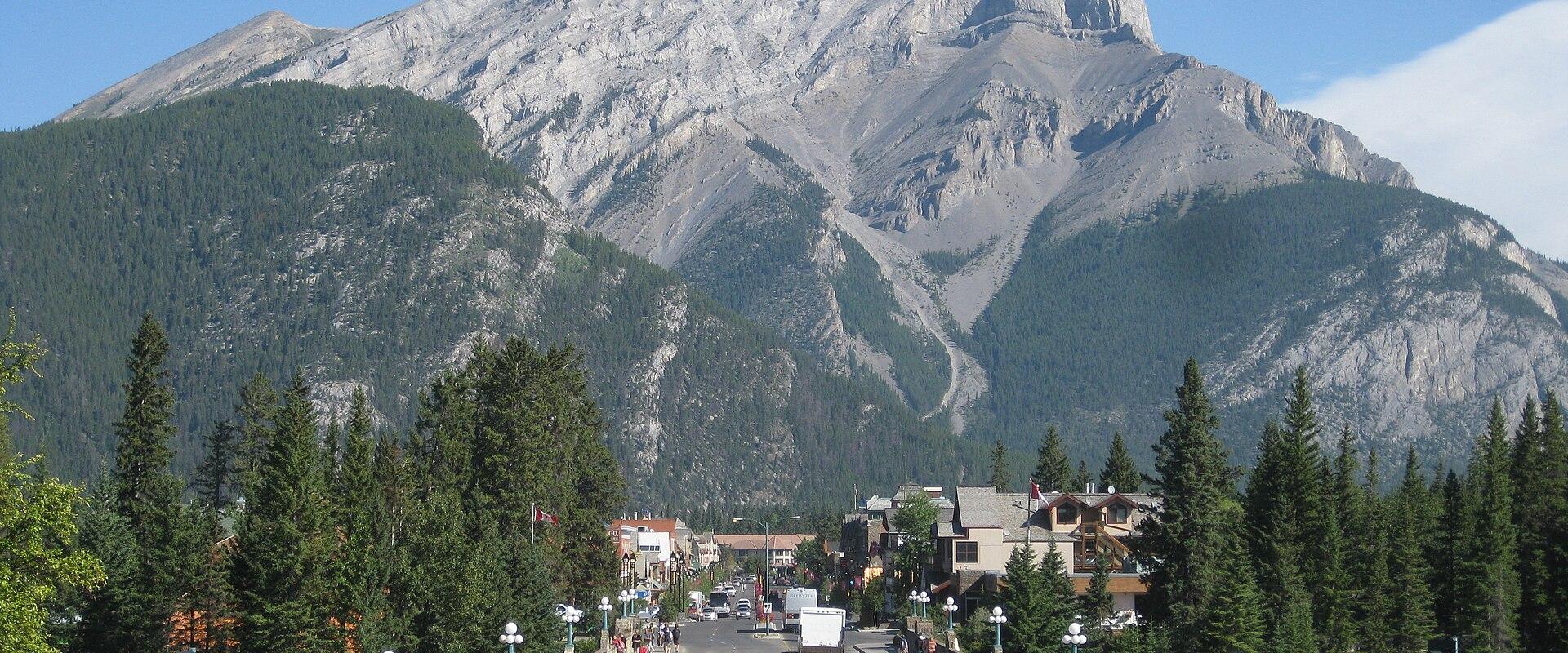
Banff Avenue
Free City Centers · Historic Towns
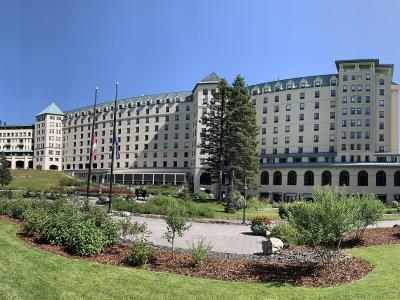
Chateau Lake Louise
Historic railway hotel beside Victoria Glacier
History & Heritage · Natural Wonders
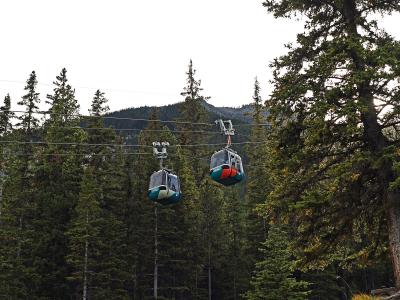
Banff Gondola
Free Natural Wonders · Transportation
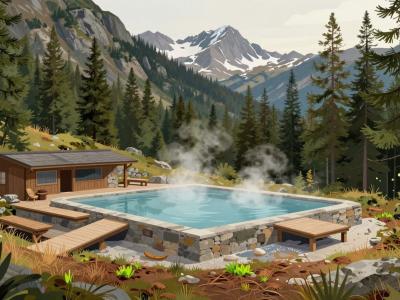
Banff Upper Hot Springs
History & Heritage · Natural Wonders
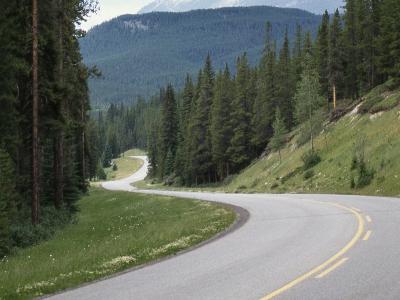
Bow Valley Parkway
Free Natural Wonders · Transportation
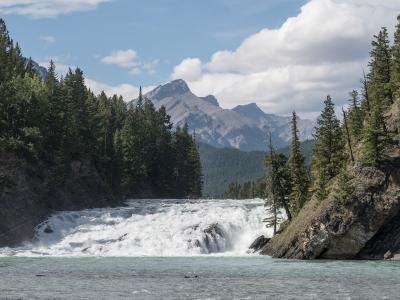
Bow Falls
Free Natural Wonders · Lakes & Rivers
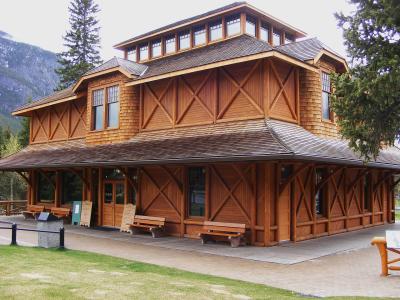
Banff Park Museum National Historic Site
Free Museums · National Parks
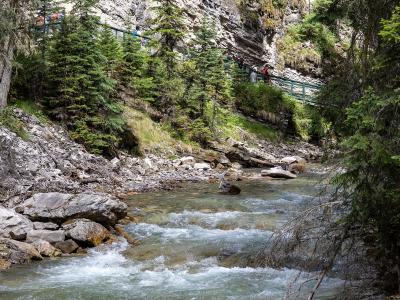
Johnston Canyon
Limestone canyon with cascading waterfalls in Banff
History & Heritage · Natural Wonders
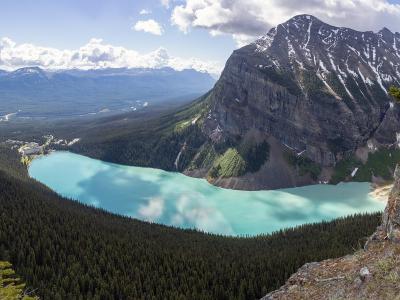
Lake Louise
Natural Wonders · Lakes & Rivers
Banff by interest
The same sights, grouped by what you came for.
Did you know?
Checked facts about Banff, each with its source.
-
History
The Naming of Banff
The town of Banff was named in 1884 by the president of the Canadian Pacific Railway, who chose the name after his birthplace of Banff, Scotland.
Source: en.wikipedia.org
Planning a visit to Banff
Itineraries that include Banff
Good to know
- Currency
- CAD
- Language
- English