




History
The history of Old Quebec is deeply rooted in the colonial era, marking it as one of the oldest European settlements in North America. Founded in 1608 by Samuel de Champlain, the site served as the strategic heart of New France. The area is defined by its fortified walls, which were constructed to defend against British incursions and remain the only fortified city north of Mexico. This historical integrity is preserved in the stone architecture that lines the streets, offering a tangible connection to the 17th and 18th centuries. The layout of the Old Town, divided into the Upper and Lower Towns, reflects the strategic military needs of the past, with the upper level serving as a defensive plateau and the lower level serving as a bustling port. This historical layering provides a unique context for visitors, allowing them to walk through centuries of history while remaining within a modern, functional urban environment.
Main Attractions
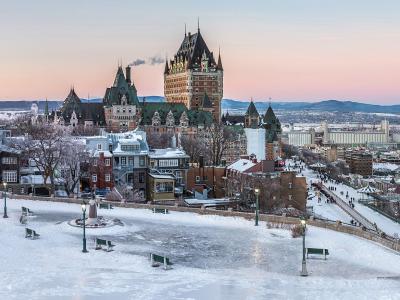
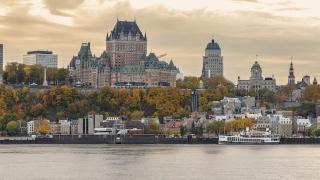
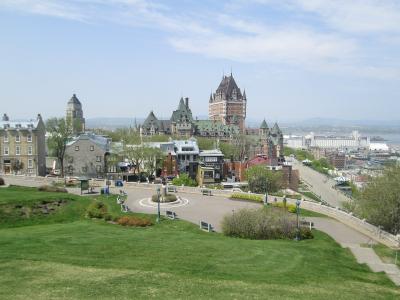
The primary attraction in Old Quebec is the Château Frontenac, a grand hotel that dominates the skyline with its distinctive green copper roof. Standing for over 125 years, it serves as an iconic landmark and a symbol of the region’s heritage. Adjacent to the Château is the Citadelle of Quebec, an active military installation that offers a glimpse into the region’s military history. The site includes the Royal 22e Régiment, and visitors can witness the changing of the guard, a popular tradition that draws crowds. The architectural beauty of the area is further enhanced by the Notre-Dame des Victoires Church, one of the oldest churches in North America, which features intricate details and a serene atmosphere. These landmarks are not just historical sites but are integral to the cultural identity of the region, offering a deep dive into the French colonial heritage that defines the area.
Activities
Visitors to Old Quebec can engage in a variety of activities that highlight the region’s unique character. The most popular way to explore is on foot, as the compact nature of the Old Town makes it ideal for walking. Strolling through the cobblestone streets of the Petit-Champlain district offers a charming experience, with boutique shops and artisan galleries lining the narrow streets. The area is known for its artistic atmosphere, with many local artisans offering unique crafts and souvenirs. For a more immersive experience, guided walking tours provide historical context and insights into the architectural and cultural significance of the landmarks. Additionally, the Plains of Abraham, located just outside the walls, offer a peaceful setting for leisurely walks and picnics, providing a green respite from the historic streets.
Getting There
Old Quebec is easily accessible from Quebec City’s downtown area, which is located just across the St. Lawrence River. The most convenient way to reach the Old Town is by car, with ample parking available in the surrounding areas. Public transportation, including buses and the Quebec City Tramway, provides efficient connections between the downtown core and the Old Town. For those arriving by air, Quebec City Jean Lesage International Airport is located approximately 15 kilometers from the city center, with regular shuttle services and taxis available for transfer. The compact nature of the Old Town means that once visitors arrive, they can explore most of the major attractions on foot, making navigation simple and enjoyable.
Best Time to Visit
The best time to visit Old Quebec is during the summer months, from June to September, when the weather is warm and pleasant. This period offers the most favorable conditions for outdoor activities, such as walking tours and exploring the historic streets. The summer season is also when the city’s festivals are in full swing, adding to the vibrant atmosphere. While the winter months are cold and snowy, they offer a unique charm, with the Old Town transforming into a winter wonderland. The Christmas market and the Ice Festival are popular events that attract visitors seeking a festive experience. However, for those prioritizing comfortable weather and full access to all attractions, the summer months remain the optimal choice.
Best time to visit
June through September offers warm weather ideal for exploring the historic district.
What to see in Old Québec
Our picks first.
Citadelle of Quebec
From $8 Castles & Forts · Guided Tours
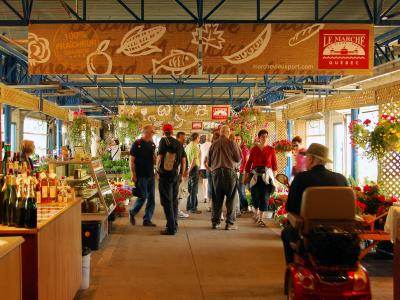
Marché du Vieux-Port
Historic Towns · Markets

Château Frontenac
Architecture · Castles & Forts
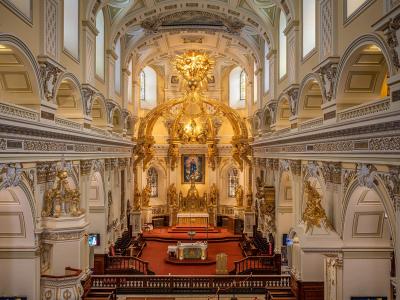
Notre-Dame de Québec Basilica-Cathedral
Oldest church in Canada, in Old Quebec
History & Heritage
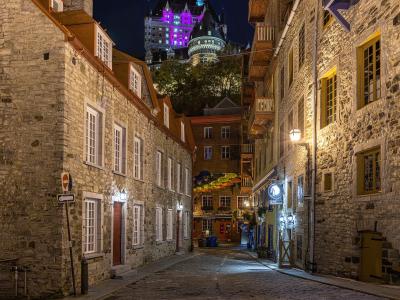
Liaison du Petit-Champlain
Architecture · Districts
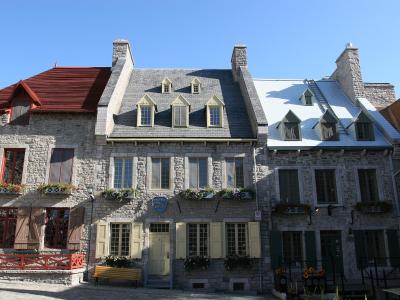
Place Royale
Birthplace of French North America in Old Québec
Free History & Heritage · Urban & City Life
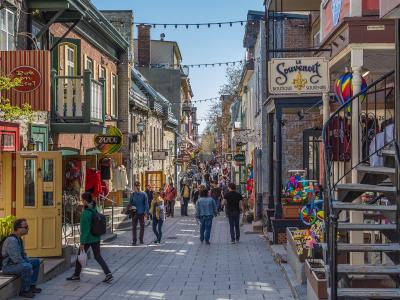
Rue du Petit-Champlain
Architecture · Historic Towns
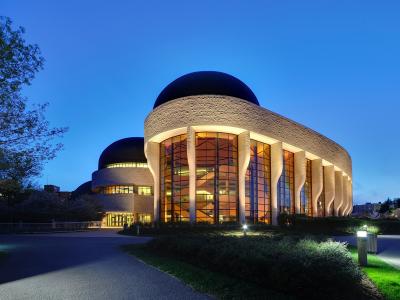
Musée de la civilisation
Culture & Leisure · History & Heritage
Old Québec by interest
The same sights, grouped by what you came for.
Did you know?
Checked facts about Old Québec, each with its source.
-
History
The 1759 British Conquest
In 1759, British forces defeated the French in the Battle of the Plains of Abraham, a pivotal event that marked the end of French colonial rule in the region.
Source: www.canada.ca -
Notable Person
Samuel de Champlain's 1608 Founding
French explorer Samuel de Champlain established the settlement in 1608, creating the foundation for what would become the capital of New France and a key center of European colonization in North America.
Source: www.ebsco.com
Planning a visit to Old Québec
Itineraries that include Old Québec
Good to know
- Currency
- CAD
- Language
- English