

History
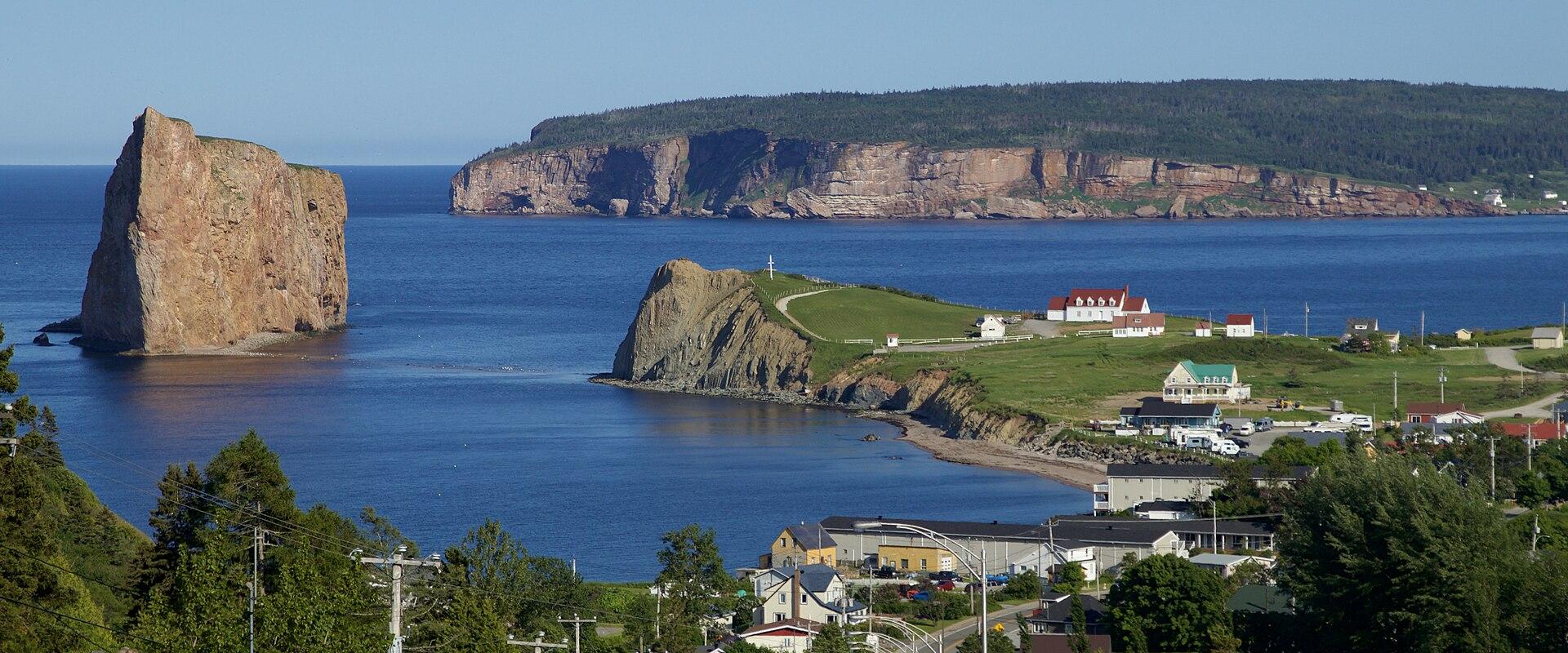
The history of Percé is deeply rooted in the maritime traditions of the Gaspésie region. The area was originally inhabited by the Mi'kmaq people, who called the region Sigs, meaning "land's end." The name Percé is derived from the French rocher percé, or "pierced rock," referring to the iconic natural arch in the local rock formation. The town developed in the 19th century as a fishing village, with the local economy heavily dependent on the lobster and cod fisheries. The harsh climate and rugged terrain shaped a resilient community, where fishing was not just a livelihood but a way of life. The local culture is a blend of Acadian and French-Canadian traditions, reflected in the local dialect, cuisine, and festivals. The town's identity is closely tied to the sea, with a strong sense of community and a deep respect for the natural environment.
Main Attractions
The primary attraction in Percé is the Perc Rock, a massive limestone formation that rises 200 meters above the sea. The rock features a natural arch, a unique geological feature that has become a symbol of the region. The rock is part of the Perc Rock National Park, which offers hiking trails and panoramic views. Another key attraction is the Bonaventure Island, located just off the coast. The island is home to one of the largest colonies of northern gannets in the world, with over 100,000 birds nesting there during the summer. The island is accessible by boat, offering visitors a unique opportunity to observe the seabirds up close. The combination of the rock formation and the bird colony makes Perc a unique destination for nature lovers.
Activities
Visitors to Perc can engage in a variety of activities, ranging from sea kayaking to whale watching. The region is known for its excellent sea kayaking, with guided tours available that take visitors through the sheltered waters of the Gaspé Bay. The area is also a prime location for whale watching, with opportunities to see humpback, blue, and minke whales. For those who prefer land-based activities, there are numerous hiking trails that offer stunning views of the coast. The region is also known for its local cuisine, with fresh seafood, particularly lobster and salmon, being a staple of the local diet.
Getting There
Perc is located in the Bas-Saint-Région of Quebec, approximately 450 kilometers from Montreal. The most common way to reach Perc is by car, taking Highway 20 east from Montreal. The drive takes approximately 5 hours. Alternatively, visitors can fly into the Quebec City Jean Lesage International Airport, which is approximately 200 kilometers from Perc. From there, a rental car or shuttle service is required to complete the journey. Public transportation options are limited, so renting a car is the most practical way to explore the area.
Best Time to Visit
The best time to visit Perc is during the summer months, from June to September. During this time, the weather is warm and pleasant, with average temperatures ranging from 15°C to 25°C. The summer months are also the best time for wildlife viewing, particularly for seeing the gannets on Bonaventure Island. The summer months are also when the local festivals take place, adding to the vibrant atmosphere. While the summer is the peak season, it is also the most popular, so visitors should book accommodations in advance. For those who prefer cooler weather, the spring and fall months are also pleasant, with fewer crowds.
Best time to visit
June through August offers warm weather ideal for exploring the region.
What to see in Percé
Our picks first.
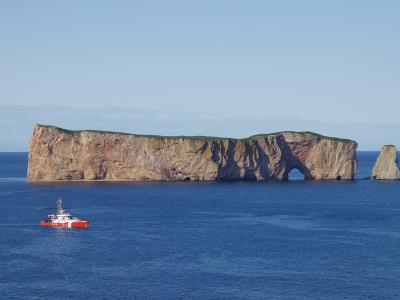
Percé Rock (Rocher Percé)
Massive limestone sea arch in Gaspésie, Quebec
Coastal & Maritime · Natural Wonders
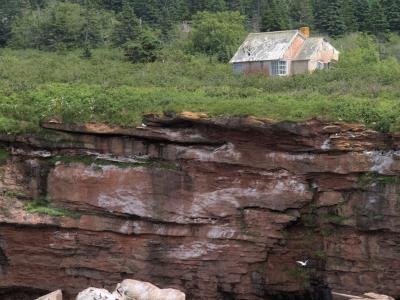
Parc National de l'Île-Bonaventure-et-Saint-Étienne
From $10.30 Coastal & Maritime · Natural Wonders
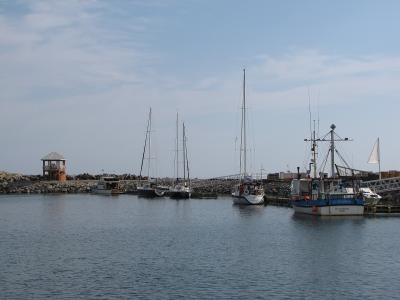
L'Anse-à-Beaufield Viewpoint
Scenic viewpoint in Percé, Quebec
Free Natural Wonders
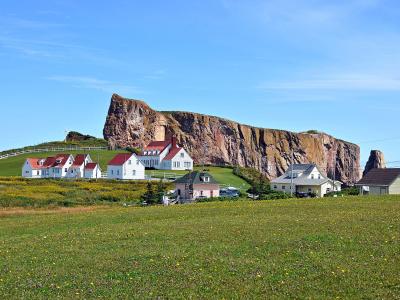
Rue Principale (Main Street)
Main street in Perc, Quebec, Canada
Historic Towns · Viewpoints
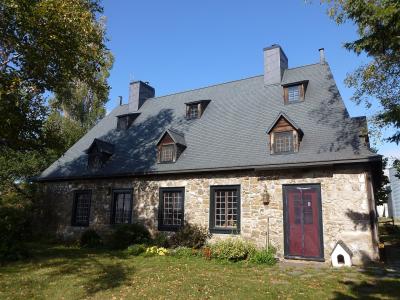
Maison Gendreau
Historic home in Percé
Free Historic Houses
Percé by interest
The same sights, grouped by what you came for.
Did you know?
Checked facts about Percé, each with its source.
-
Film & TV
1964 film captures local irony
The 1964 short film Percé on the Rocks, directed by Gilles Carle, features three young women mocking summer tourists while providing historical statistics on Percé dating back to the arrival of the Vikings.
Source: www.imdb.com
Planning a visit to Percé
Itineraries that include Percé
Good to know
- Currency
- CAD
- Language
- English