







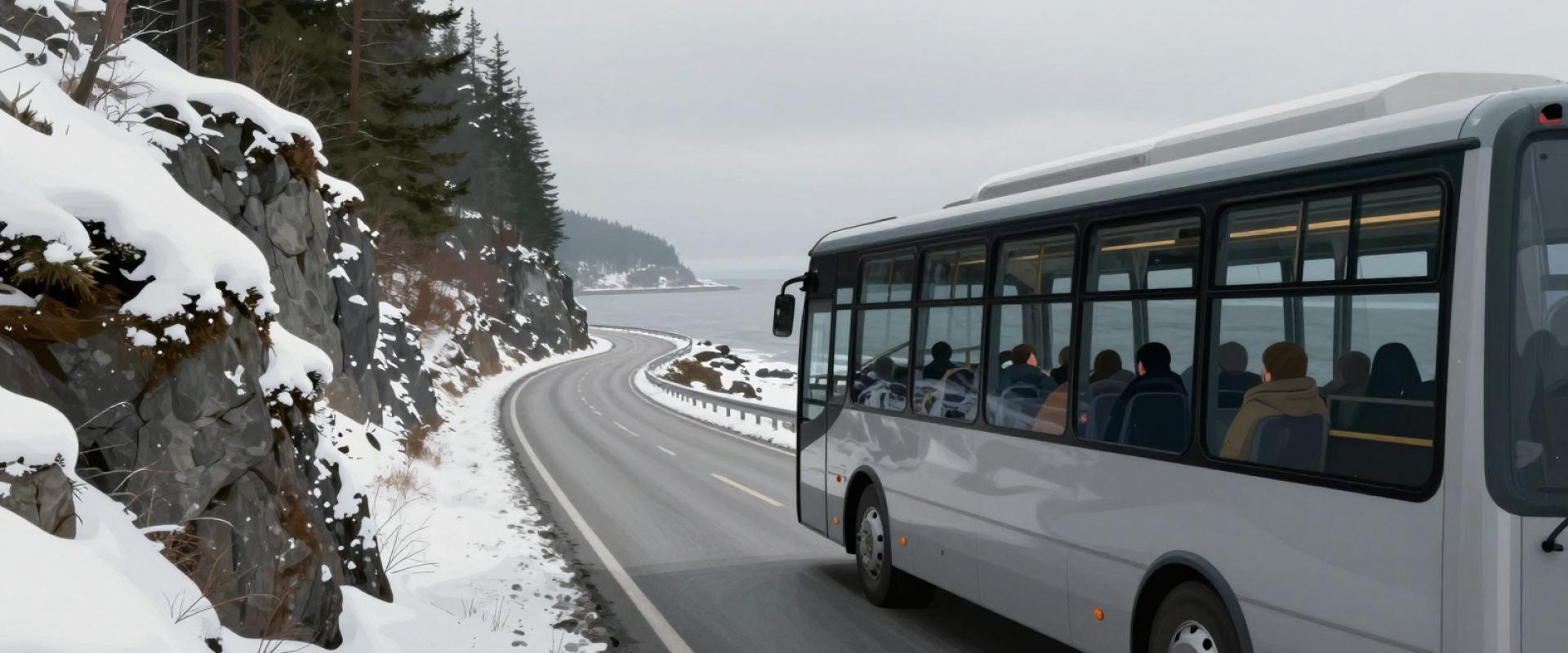
Canada’s intercity bus network relies on a mix of national carriers and regional operators. Major companies like Rider Express and Megabus serve key urban corridors. These services connect major cities efficiently across provinces. Regional operators fill critical gaps in remote areas. They provide essential links where rail service is absent. Transport Action Canada maintains an interactive map of these routes. This resource updates quarterly with current operator data. Travelers can access specific route details and schedules online. The network supports affordable travel for budget-conscious individuals. Modern fleets often include GPS tracking for safety. Passengers can book tickets directly through operator websites. This structure ensures reliable connectivity across diverse Canadian landscapes. The system supports both short regional trips and longer cross-provincial travel. Access to these services remains a priority for rural communities. The infrastructure supports consistent, reliable transportation for all users.
Carrier Comparisons and Routes
Megabus operates primarily in Eastern Canada. It connects major urban centers efficiently. Rider Express dominates Western Canadian routes. It serves cities across the prairies. Regional operators fill critical gaps. They reach remote and tourist destinations. These services often lack national coverage. Amenities vary significantly by carrier. Modern fleets offer GPS safety tracking. Reliable schedules define the core service. Charter options exist for groups. Fares remain generally affordable. Travel times depend on route density. Eastern corridors benefit from higher frequency. Western routes cover vast distances. Passengers should check specific operator websites. Transport Action Canada provides route maps. These maps update quarterly with data. Planning requires consulting current schedules. Service levels differ by region. Budget travelers prefer national carriers. Remote areas rely on local firms. Safety regulations apply across all modes. Labour shortages may impact availability. Passengers must verify current timetables. Prices fluctuate based on demand. Booking online ensures seat availability.
Booking Logistics and Fares
Travelers book tickets via online platforms for real-time availability. Major carriers like Megabus and Rider Express dominate this space. Prices fluctuate based on dynamic demand models. Booking early typically secures the lowest fares for Canadian routes. Additional fees often apply for checked luggage beyond standard allowances. Seat selection may incur extra charges depending on the carrier. Flexibility varies significantly among operators. Some providers offer free cancellation within a short window. Others enforce strict non-refundable policies for discounted tickets. Passengers must verify specific terms before purchasing. The Transport Action Canada map aids in route planning. It links directly to operator reservation systems for accurate data. Always check current schedules, as services change frequently. Canadian intercity bus travel requires advance planning for best value. Budget travelers should monitor fare sales closely. Regional operators may have different booking rules than national brands. Understanding these nuances ensures a smoother travel experience across Canada.
Onboard Experience and Amenities
Most Canadian intercity buses offer reclining seats for passenger comfort. Standard amenities typically include complimentary Wi-Fi access. Power outlets are available at most individual seats. Luggage allowances vary significantly between different carriers. Megabus often provides one carry-on and one checked bag. Rider Express allows specific weight limits for checked items. Travelers should verify restrictions before booking their tickets. Services differ greatly between national and regional operators. Some regional buses may lack Wi-Fi or power. Passengers should bring personal comfort items for long trips. Pack a jacket, as cabin temperatures vary widely. Bring headphones for personal entertainment during the journey. Snacks and water are recommended for extended travel. Always check the specific carrier’s website for details. Policies change frequently across the Canadian network. Confirm your amenities before departure to avoid surprises. Modern fleets generally ensure a reliable travel experience. Safety features like GPS tracking are standard practice. Prepare for variable conditions based on your chosen route.
Safety, Accessibility, and Reliability
Transport Canada oversees safety regulations for intercity bus operators. Mandatory inspections ensure vehicle compliance with federal standards. GPS tracking systems monitor fleet locations for security. Weather significantly impacts schedule reliability across Canadian provinces. Severe winter storms often cause substantial travel delays. Passengers must plan for potential disruptions in remote areas. Advance booking is required for accessible seating accommodations. Operators prioritize safety protocols during adverse weather conditions. Routes in the Prairies face unique weather challenges. Eastern corridors experience frequent winter service interruptions. Passengers should verify real-time status before departure. Remote travel requires extra time for buffer periods. Delays are common during peak holiday seasons. Accessibility features vary by carrier and vehicle type. Advance notice ensures proper assistance is provided. Safety remains the primary operational priority for all carriers. Regulatory compliance ensures consistent service standards nationwide. Travelers should monitor weather forecasts closely. Planning ahead mitigates risks associated with Canadian winters. Reliable service depends on proactive operational management. Passengers benefit from clear communication during delays.
Budgeting and Final Planning
Compare fares across carriers like Megabus and Rider Express before booking. Dynamic pricing means early booking secures lower rates. Budget for additional fees, including extra baggage charges. Always verify specific carrier policies before travel. Check the Transport Canada map for route updates. This tool visualizes current network changes and operator details. Review the schedule quarterly to ensure accuracy. Plan for overnight travel by checking seat comfort options. Recline seats and power outlets are standard amenities. Manage digital tickets directly through the carrier’s platform. Download the app to access e-tickets instantly. This method reduces paper waste and streamlines boarding. Verify your identification matches the booking name exactly. Arrive at the terminal with sufficient time for security. Canadian regulations require strict identity verification at checkpoints. Keep digital copies of all tickets on your phone. This ensures quick access if mobile data fails. Always carry a physical backup of your ID. This practice prevents delays during the boarding process. Plan extra time for border crossings if applicable. Canadian border checks may require additional documentation. Verify all entry requirements before departing for the border. Ensure your passport is valid for the duration of travel. Check specific visa requirements for your citizenship. Plan for potential delays due to weather conditions. Canadian winters can cause significant travel disruptions. Always check weather forecasts before departing. Have a backup plan for severe weather conditions. Consider alternative transportation if road conditions are hazardous. Always prioritize safety over speed when traveling. Check local road conditions before starting your journey. Plan for potential delays due to weather conditions. Canadian winters can cause significant travel disruptions. Always check weather forecasts before departing. Have a backup plan for severe weather conditions. Consider alternative transportation if road conditions are hazardous. Always prioritize safety over speed when traveling. Check local road conditions before starting your journey. Plan for potential delays due to weather conditions. Canadian winters can cause significant travel disruptions. Always check weather forecasts before departing. Have a backup plan for severe weather conditions. Consider alternative transportation if road conditions are hazardous. Always prioritize safety over speed when traveling.