



Ontario
Great Lakes cities, national institutions, and northern wilderness
- 13 destinations
- 90 attractions
About Ontario
Ontario extends from the Great Lakes and the densely populated south to immense forests, lakes, and communities across the north.
Toronto is Ontario's largest city and international gateway, while Ottawa is the national capital and a major cultural destination. Niagara Falls and Niagara-on-the-Lake combine waterfalls, heritage, and wine country. Kingston, the Thousand Islands, and communities along Lake Ontario and the St. Lawrence River add historic sites and waterfront travel. Northern Ontario is much larger geographically and includes distinct landscapes, Indigenous communities, provincial parks, and long-distance routes that are not represented by the southern metropolitan areas. Rail, highway, and air links are strongest in southern Ontario, but distances remain easy to underestimate. Toronto and Hamilton are separate metropolitan areas, even though regional travel planning sometimes groups them within the broader Greater Toronto and Hamilton Area. Summer supports festivals and lake travel, autumn is popular for foliage, and winter conditions vary substantially across the province.Where to go in Ontario
Ontario
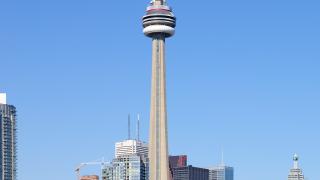
Toronto
Global city with diverse cultural neighborhoods
Ontario
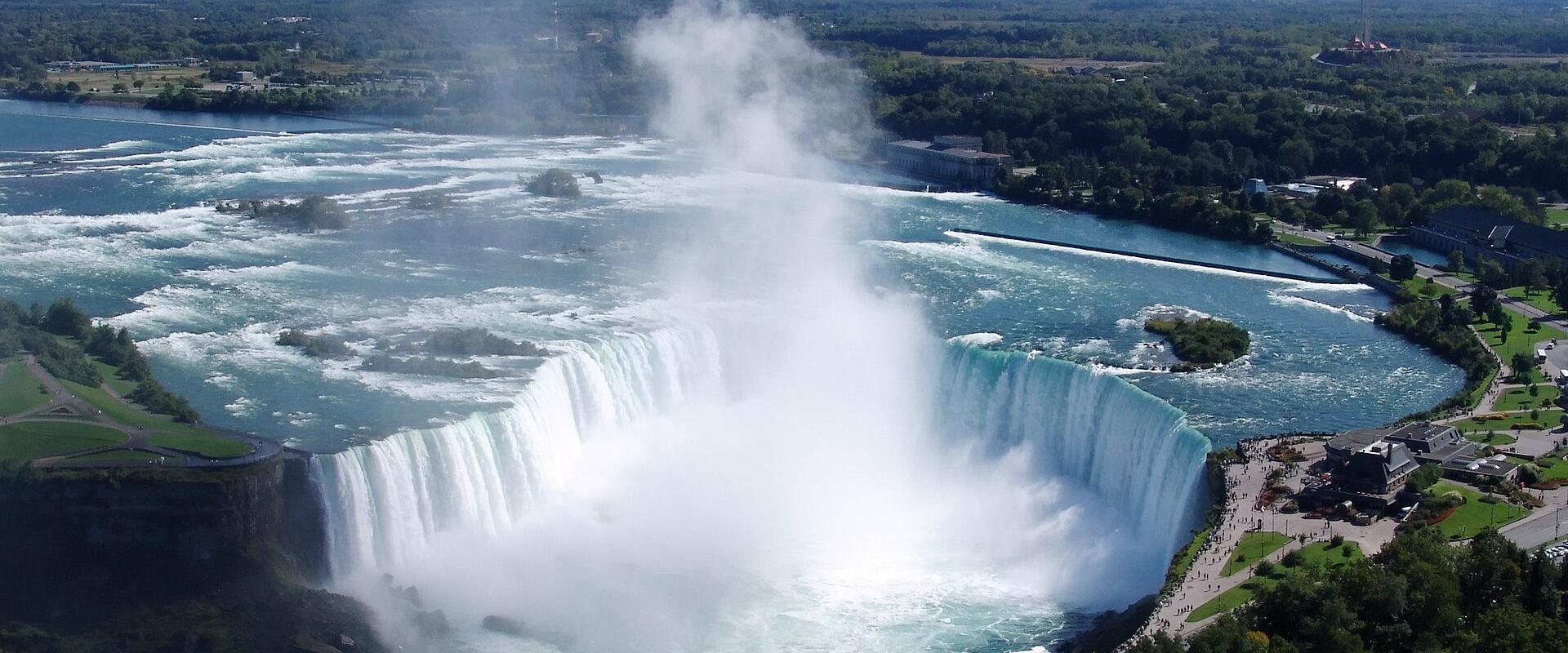
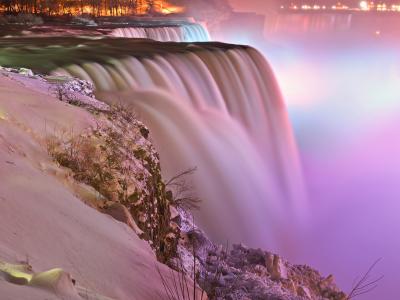
Niagara Falls
Natural wonder with massive waterfall
Ontario
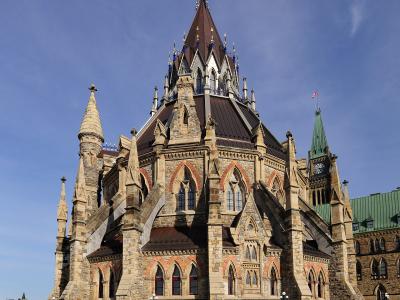
Ottawa
Canadian capital with historic parliamentary buildings
Ontario
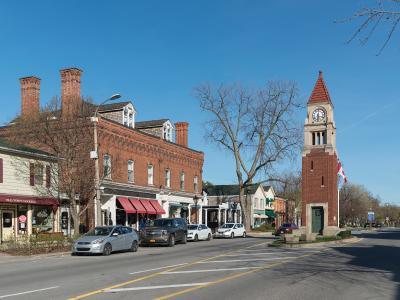
Niagara-on-the-lake
Victorian town with historic architecture and wineries
Ontario
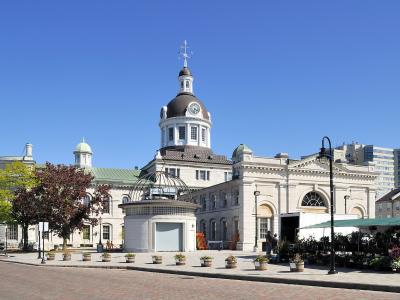
Kingston
Ontario city with historic fortifications
Ontario
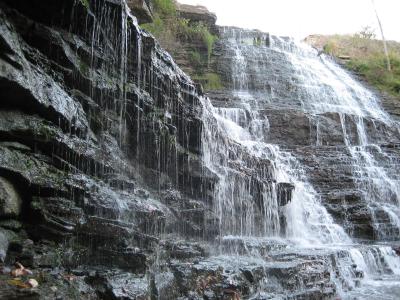
Hamilton
Ontario city with 123 waterfalls and lush valleys
Ontario
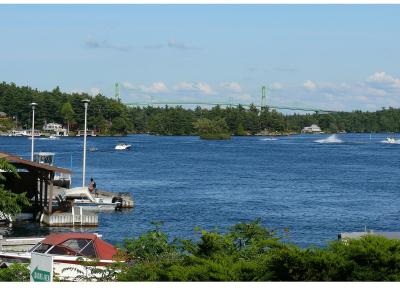
Ivy Lea and Lansdowne
Gateway to the Thousand Islands on the St. Lawrence
Ontario
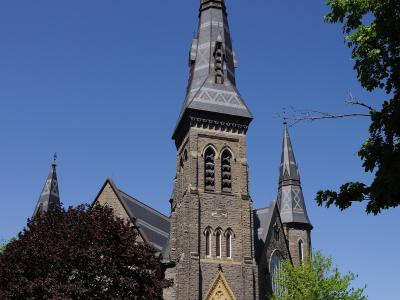
Brockville
Historic port city with railway tunnel
What to see
Hamilton · Architecture
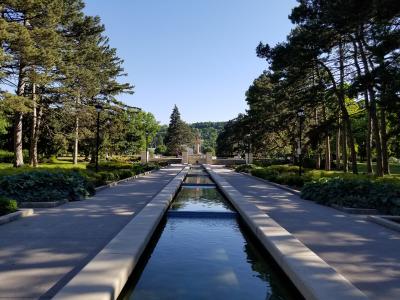
Gage Park
On warm weekends in Hamilton, Gage Park fills with families, picnickers and photographers, and the reason is easy to see...
Brockville · Architecture
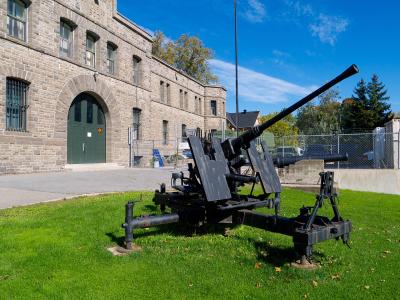
Brockville Armoury
The Brockville Armoury stands on King Street East in Brockville, Ontario, a river town on the St. Lawrence in the Thousa...
Kingston · History & Heritage
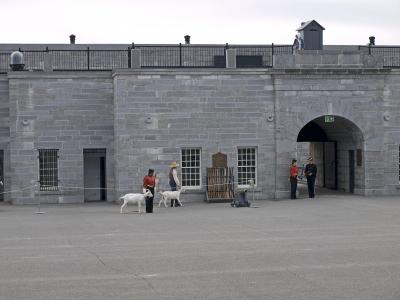
Fort Henry Connection (Viewpoint)
Historic fort viewpoint in Kingston, Ontario

Toronto · Culture & Leisure
Graffiti Alley
Graffiti Alley is a long laneway in downtown Toronto that runs behind the shops and restaurants of Queen Street West, in...
Port Hope · Architecture
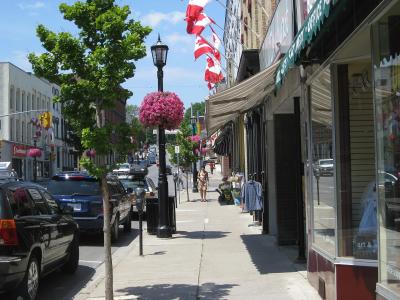
Historic Downtown
Best preserved main street in Ontario
Niagara Falls · History & Heritage
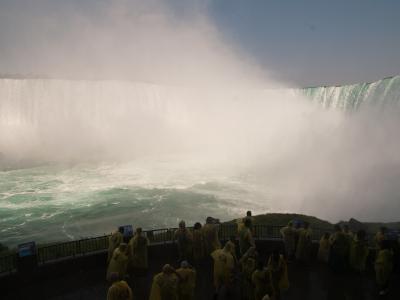
Journey Behind the Falls
Underground tunnels behind Niagara Falls
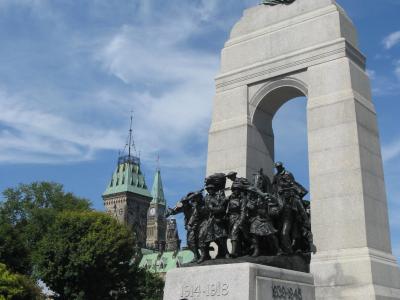
Ottawa · History & Heritage
National War Memorial
On Confederation Square, a few steps from Parliament Hill, a bronze group of figures passes through a granite arch, and...
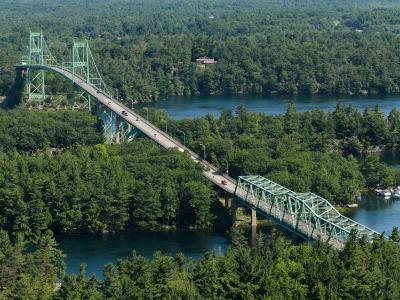
Ivy Lea and Lansdowne · Bridges
Nearby Thousand Islands Bridge Approach
1938 bridge connecting Lansdowne to New York
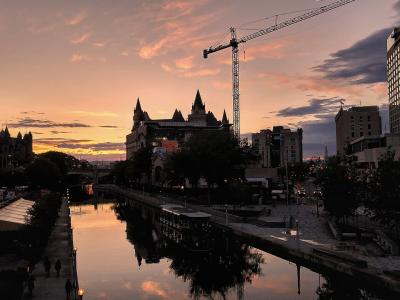
Smiths Falls · Culture & Leisure
Rideau Canal Heritage Trail
The Rideau Canal is a rare thing, a 19th-century waterway that still works much as its builders intended. It stretches a...
Itineraries for Ontario
Day-by-day routes you can follow as written or borrow from.
Stories and tips

· 4 min read
Budget Travel in Canada
Practical ways to keep the cost of a Canada trip down, from flights and long-distance transport to beds, food and park fees.
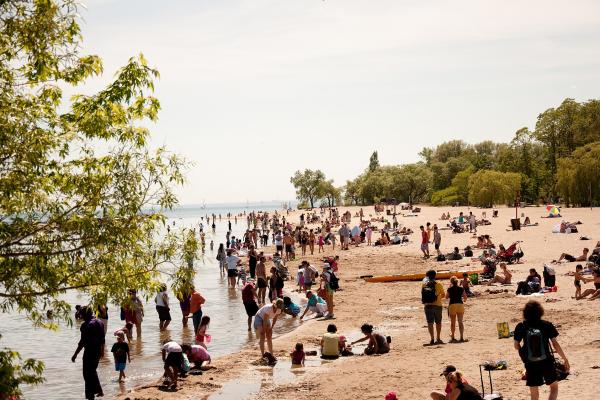
· 5 min read
Toronto Beaches and Outdoor Pools: A Summer Swimming Guide
Where to swim in Toronto in summer, from the Toronto Island beaches and the ferry to Woodbine, Bluffer's and the city's outdoor pools.
· 4 min read
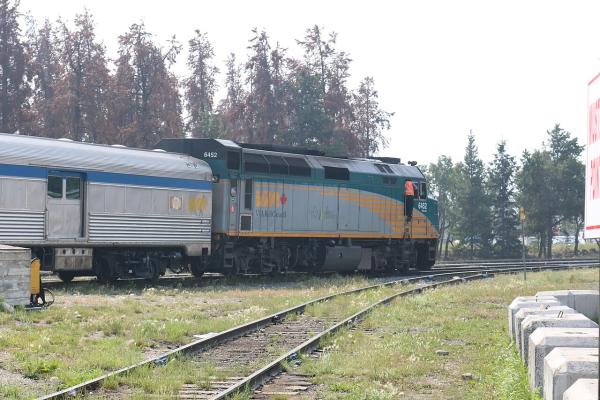
Travelling Canada by Train: VIA Rail Routes and Scenic Journeys Compared
A comparison of Canada's main passenger train options, from VIA Rail's Quebec City–Windsor Corridor and the Ocean to Halifax to The Canadian across the country and the Rocky Mountaineer.