


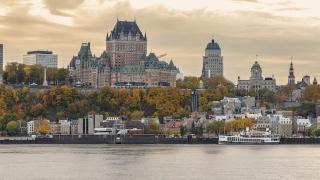



Canadian cities blend North American convenience with distinct cultural heritage. Toronto, the largest city, offers iconic urban landmarks. The CN Tower provides skyline views and the EdgeWalk experience. Visitors can also explore the Royal Ontario Museum for art and history. The Art Gallery of Ontario serves culture enthusiasts effectively. Strategic planning is required due to spread-out landmarks. Distances between sites often exceed walking range. Mastering local public transit systems is essential for efficiency. Toronto’s subway network connects major districts reliably. Seasonal variations significantly affect the urban experience. Winter snow may delay transit and limit outdoor sightseeing. Summer heat increases crowd density at popular sites. Canada spans 4,700 miles, creating diverse city vibes. Ottawa serves as the national capital with different landmarks. Travelers should verify opening times before visiting. Public transit fares vary by city and zone. Plan routes to minimize transfer times during peak hours. Urban exploration requires checking weather forecasts daily. Landmarks operate on strict schedules year-round. Prepare for cold temperatures in northern urban centers. Southern cities offer milder conditions for sightseeing. Use official city apps for real-time transit updates. This approach ensures efficient navigation of Canadian urban cores.
Iconic Landmarks and Historic Districts
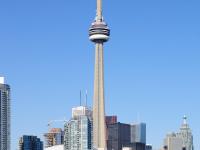
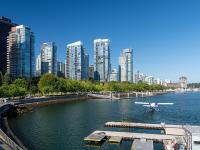
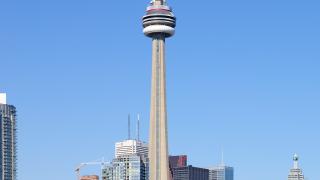
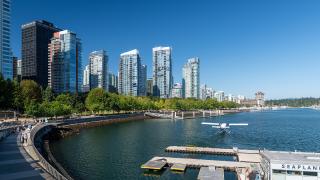
The CN Tower defines Toronto’s modern skyline. It stands as a symbol of national ambition. Visitors access the observation deck for panoramic views. The EdgeWalk offers a thrill for adventurous tourists. This experience requires booking in advance. The structure integrates seamlessly into the urban fabric. Nearby, the Royal Ontario Museum provides cultural context. It houses extensive art and history collections. The Art Gallery of Ontario is also a top spot. These institutions complement the city’s architectural achievements. In Toronto, the Distillery District preserves Victorian architecture. This area features cobblestone streets and brick buildings. It represents a preserved industrial heritage zone. Visitors can explore shops and galleries here. Montreal offers a different historic perspective. Old Montreal showcases French colonial heritage. The streets reflect centuries of cultural evolution. This district contrasts with Toronto’s modernity. Nature also plays a key role in urban sightseeing. Stanley Park in Vancouver is a natural landmark. It sits within the city limits. The park provides green space amidst urban development. It connects visitors to Canada’s natural environment. These landmarks define the Canadian urban experience. They blend history, culture, and nature. Each site offers distinct visual and cultural value. Understanding these sites enhances the travel experience. They represent the diversity of Canadian cities. Toronto, Montreal, and Vancouver each have unique identities. Their landmarks reflect this distinct character. Planning visits to these sites is essential. They provide insight into local history. The integration of these sites is crucial. They shape the identity of each city. Visitors should prioritize these key locations. They offer the most significant cultural insights.
Transit Networks and Accessibility
Toronto’s TTC, Vancouver’s TransLink, and Montreal’s STM manage major urban transit. These systems connect key sightseeing hubs efficiently. Tourists should purchase day passes for unlimited rides. This option offers significant cost savings for multi-day itineraries. Peak congestion occurs during morning and evening rush hours. Avoid travel between 7:30 AM and 9:30 AM. Evening peaks typically run from 4:30 PM to 6:30 PM. Plan landmark visits during midday or late afternoon to avoid crowds. Most modern vehicles feature low-floor boarding for wheelchair users. Accessible elevators are standard at major subway stations in Toronto. However, historic sites may present unique accessibility challenges. The CN Tower offers elevators and accessible viewing platforms. Always verify specific accessibility features for older historic districts. Some heritage buildings lack modern elevator installations. Check official websites for detailed accessibility maps before visiting. This ensures a smooth experience for all travelers. Public transit remains the most practical way to reach urban landmarks. It reduces parking costs and traffic stress. Use real-time apps to monitor service delays. This helps optimize your sightseeing schedule effectively.
Curated Urban Experiences
Themed walking tours dominate Canada’s urban sightseeing landscape. These guided walks explore historic districts in Toronto and Montreal. Hop-on hop-off bus tours offer convenient access to major landmarks. Operators like City Sightseeing run routes in Vancouver and Calgary. These buses allow flexible exploration of city centers. Boat tours provide unique perspectives of Canadian waterways. The St. Lawrence River cruise highlights Montreal’s Old Port. Toronto’s Harbourfront offers scenic boat rides along Lake Ontario. Luxury private guided tours cater to high-end travelers. These bespoke experiences customize itineraries for specific interests. Selecting a tour operator requires careful consideration. Verify that guides hold valid local certifications. Check recent reviews for service quality and reliability. Compare pricing structures for group versus private options. Ensure the operator includes all entrance fees upfront. Canadian weather impacts outdoor tour schedules significantly. Book flexible dates to accommodate seasonal changes. Public transit passes often complement guided tour activities. Combine walking tours with TTC or STM day passes. This strategy maximizes efficiency and reduces transportation costs. Focus on operators with strong local community ties. They provide authentic insights into Canadian urban culture. Prioritize safety records and insurance coverage for peace of mind. Research specific landmark access requirements before booking. Some sites require advance reservations during peak seasons. Plan your urban exploration around major holidays and events. This ensures a vibrant and engaging sightseeing experience.
Smart Strategies for Sightseeing
Prioritize landmarks based on proximity and operating hours. The CN Tower in Toronto offers skyline views and the EdgeWalk experience. Plan visits around specific opening times to avoid crowds. Book tickets online for discounts and skip-the-line access. This method saves time at high-traffic sites like the CN Tower. Check for alternative indoor options, such as the Royal Ontario Museum. Weather-appropriate dressing is essential for Canadian urban exploration. Temperatures vary significantly across Canada’s vast geography. Use city apps for real-time transit updates. Toronto’s TTC and Montreal’s STM provide reliable service. These tools help navigate complex urban centers efficiently. Engage with local tourism resources for insider tips. Official guides often highlight lesser-known historic districts. Focus on practical details like ticket prices and duration. The Art Gallery of Ontario is another top cultural spot. Verify current hours before traveling to avoid disappointment. Smart planning ensures efficient sightseeing across major cities. Use day passes for unlimited transit rides. This approach reduces costs during extended urban tours. Always check official websites for the latest information. Reliable data prevents wasted time and money. Prioritize key sites like the CN Tower first. This strategy maximizes limited vacation time effectively.