

Tofino
Surf town on Vancouver Island's wild west coast, gateway to Pacific Rim
History and Culture
The coast around Tofino has been home to the Nuu-chah-nulth peoples for thousands of years, and the town lies within the territory of the Tla-o-qui-aht First Nation, with the Ahousaht and Hesquiaht nations among their neighbours in Clayoquot Sound. European contact came in the late eighteenth century, and the town takes its name from Tofino Inlet, named by Spanish explorers after the hydrographer Vicente Tofiño. In the twentieth century Tofino was a small fishing and logging community, reached by road only after a route across the island was opened in the late 1950s.
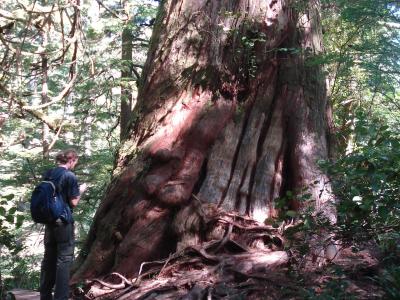
In 1993 Clayoquot Sound became the scene of one of the largest acts of civil disobedience in Canadian history, when protesters blockaded logging roads to defend its old-growth forests. The protests helped change forestry practice in the region, and in 2000 Clayoquot Sound was designated a UNESCO Biosphere Reserve. Today Indigenous culture is visible across town, in galleries, carvings and Tla-o-qui-aht-led tourism, and Meares Island, just across the harbour, protects ancient western red cedars on its Big Tree Trail.
Pacific Rim National Park Reserve
The Long Beach Unit of Pacific Rim National Park Reserve, established in 1970, stretches along the coast between Tofino and Ucluelet. Its centrepiece, Long Beach, is a long, open sweep of sand backed by forest and rocky headlands, ideal for walking, surfing and watching the waves. Short trails such as the Rainforest Trail loops lead through old-growth forest of cedar and hemlock on boardwalks, and the Kwisitis Visitor Centre at Wickaninnish Beach introduces the park's natural and cultural history. A park pass is required for stopping in the reserve.
Beaches and Surfing
Tofino is the surf capital of Canada, with waves all year. Chesterman Beach, just south of town, is wide and sandy and suits beginners and families, and at low tide you can walk out towards Frank Island. Cox Bay, a little further south, is known for more consistent surf and hosts surf competitions. Mackenzie Beach and the small beaches in town are more sheltered. Surf schools and board rentals are found all over town, and wetsuits are essential, as the water is cold even in summer.
Whales, Wildlife and Hot Springs
Whale-watching tours leave Tofino harbour for much of the year. Grey whales pass the coast on their spring migration, usually peaking in March and April, and some stay to feed through the summer, while humpback whales are increasingly common. Bear-watching boat trips into the inlets look for black bears foraging on the shoreline at low tide, and sea otters, sea lions and bald eagles are often seen.
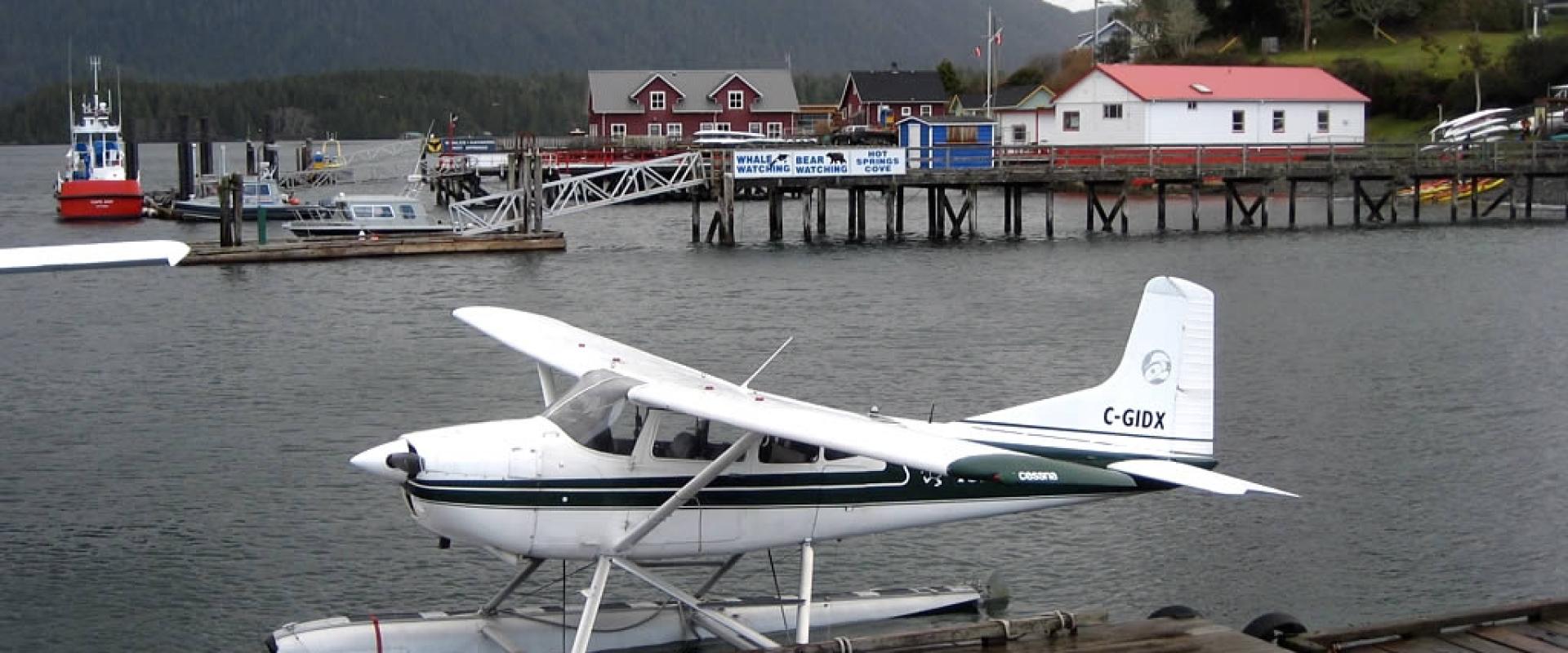
The classic day trip is to Hot Springs Cove in Maquinna Marine Provincial Park, north of Tofino and reachable only by boat or floatplane. From the dock, a boardwalk leads through the rainforest to a series of natural rock pools where hot spring water meets the sea.
Storm Watching
From November to February, Pacific storms drive huge waves onto the coast, and storm watching has become a winter tradition. Beachfront lodges and inns along Chesterman Beach and Cox Bay offer front-row views, and the headlands of the national park make dramatic viewpoints. Keep well back from the water, as rogue waves and drifting logs are dangerous.
Ucluelet and the Wild Pacific Trail
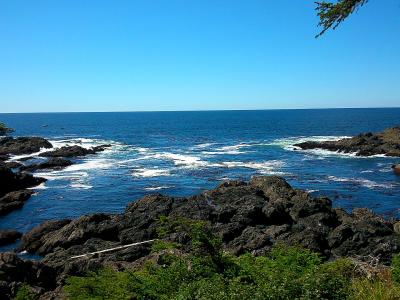
About 40 kilometres south, at the other end of the national park, the town of Ucluelet is home to the Wild Pacific Trail, a clifftop path that winds past the Amphitrite Point Lighthouse and along a rugged, storm-lashed shore. It is an easy half-day trip from Tofino.
Getting There and Practical Tips
Tofino is reached by Highway 4, a winding road across Vancouver Island from the east coast near Parksville and Port Alberni; allow around three hours' drive from the Nanaimo ferry terminals, and check for road works or closures before you go. Small regional airlines fly into Tofino-Long Beach Airport, and floatplanes land in the harbour. Summer is the busiest season, so book accommodation early. Bring rain gear in any month, as this is one of the wettest coasts in Canada.
Best time to visit
June to September for beaches, hiking and calmer seas; March and April for the grey whale migration; November to February for storm watching.
What to see in Tofino
Our picks first.
Wild Pacific Trail
Clifftop coastal trail in Ucluelet, a short drive south of Tofino
Free Natural Wonders · Viewpoints
Meares Island Big Tree Trail
Boardwalk among ancient red cedars on Meares Island, across the harbour from Tofino
History & Heritage · Natural Wonders
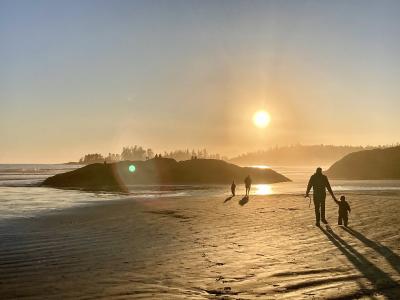
Pacific Rim National Park Reserve
Wild surf beaches and rainforest trails between Tofino and Ucluelet
Beaches · Islands
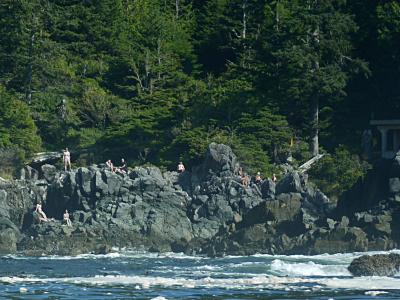
Hot Springs Cove
Natural hot pools by the sea, reached by boat or floatplane from Tofino
Coastal & Maritime · Natural Wonders
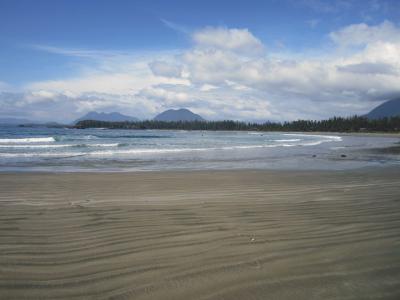
Chesterman Beach
Wide surf beach south of Tofino, with a low-tide walk towards Frank Island
Free Beaches · Islands
Tofino by interest
The same sights, grouped by what you came for.
Planning a visit to Tofino
Good to know
- Currency
- CAD
- Language
- English