





History
Cape Breton Island, located at the northern end of Nova Scotia, Canada, is a land defined by its complex cultural heritage and dramatic natural landscape. The island’s history is a tapestry woven from the influences of the Mi’kmaq, the first inhabitants, as well as French, Acadian, and Scottish settlers. The Mi’k’maq people, for whom the land was originally named, have maintained a deep spiritual and cultural connection to the region for millennia. This heritage is preserved in local traditions and stories that continue to shape the island’s identity.
The arrival of European settlers, particularly the French in the 17th and 18th centuries, introduced new cultural layers, including the Acadian way of life. The British takeover in the 18th century further diversified the population, bringing Scottish immigrants who brought with them their own traditions, language, and customs. This blend of indigenous, French, and Scottish influences has created a unique cultural landscape that is distinct within Canada. The island’s history is not just a record of the past but a living part of its present, reflected in its music, cuisine, and community traditions.
Main Attractions
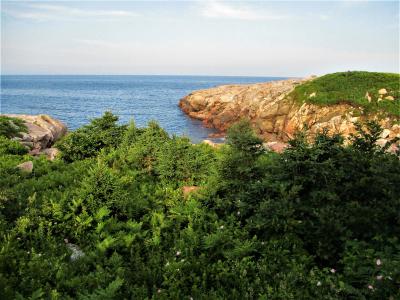
The crown jewel of Cape Breton is the Cabot Trail, a 298-kilometer scenic drive that loops around the northern part of the island. This route is renowned for its breathtaking views, offering panoramic vistas of the Atlantic Ocean, rugged cliffs, and dense forests. The trail passes through Cape Breton Highlands National Park, where visitors can explore hiking trails, spot wildlife, and enjoy the natural beauty of the highlands.
Another key attraction is the historic town of Louisbourg, home to the Fortress of Louisbourg, a reconstructed 18th-century French fortress. This site offers a glimpse into the colonial past, with guided tours and interactive exhibits that bring the history of the region to life. The cultural heritage of the island is further enriched by its vibrant Celtic traditions, evident in the local music, festivals, and arts.
Activities
Cape Breton offers a wide range of activities for visitors. Hiking is a popular pastime, with numerous trails in the Cape Breton Highlands providing opportunities for exploration and nature appreciation. The region is also known for its whale watching, with opportunities to see whales, seals, and other marine life.
For those interested in culture, the island offers a variety of experiences, including traditional Celtic music sessions, local art galleries, and cultural festivals. The island’s culinary scene is also a highlight, with fresh seafood, local produce, and traditional dishes available at restaurants and cafes throughout the region.
Getting There
Cape Breton is accessible by car, with major highways connecting it to the rest of Nova Scotia and the Maritimes. The most common route is via Highway 105, which connects to the Trans-Canada Highway. For those flying, the nearest major airport is in Halifax, with regular flights to Sydney, Cape Breton’s regional airport. From Sydney, it is a short drive to the main attractions on the island.
Best Time to Visit
The best time to visit Cape Breton is during the summer months, from June to September, when the weather is warm and the days are long. This is the peak season for tourism, with a variety of festivals and events taking place. Autumn is also a popular time to visit, with the fall foliage providing a stunning backdrop for the island’s natural beauty. Summer is the ideal time for outdoor activities such as hiking, whale watching, and camping.
Best time to visit
June through September offers warm weather, ideal for hiking and coastal exploration.
What to see in Cape Breton Island
Our picks first.
The Cabot Trail
Coastal & Maritime · Natural Wonders
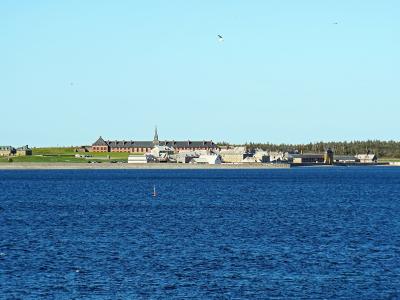
Fortress of Louisbourg National Historic Site
Free Castles & Forts · Guided Tours

Cape Breton Highlands National Park
Coastal & Maritime · Natural Wonders
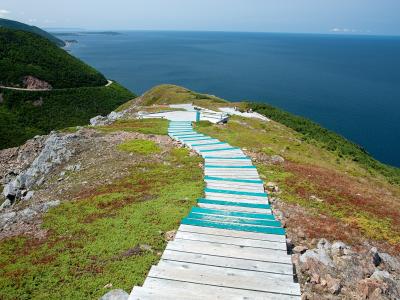
Skyline Trail
Coastal & Maritime · Natural Wonders
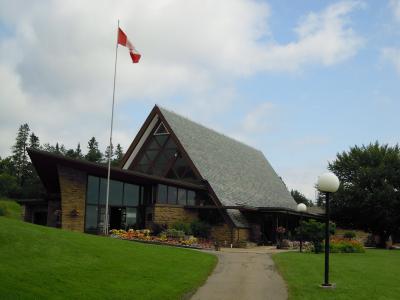
Alexander Graham Bell National Historic Site
Historic Houses · Lakes & Rivers
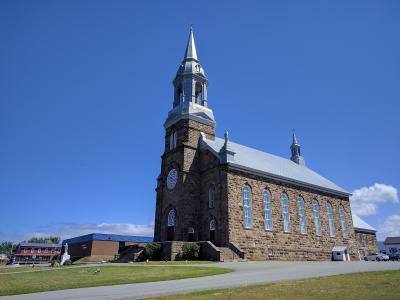
Cheticamp
Coastal & Maritime · Culture & Leisure
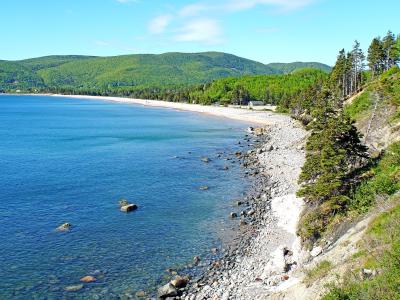
Ingonish Beach
Beaches · Lakes & Rivers

Sydney Waterfront
Monuments · Viewpoints
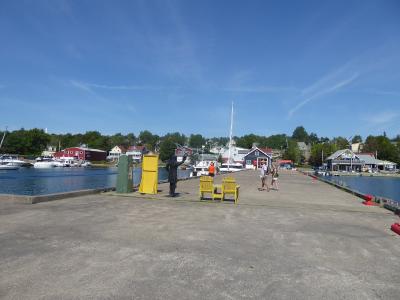
Baddeck Village
Free Historic Houses · Historic Towns
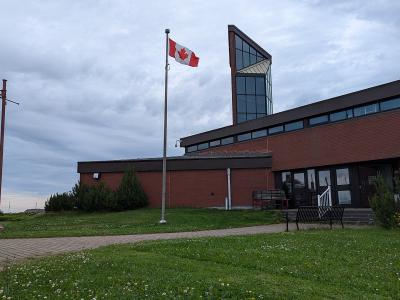
Sydney Mines Heritage Museum
From $5 Geological Sites · Museums
Cape Breton Island by interest
The same sights, grouped by what you came for.
Did you know?
Checked facts about Cape Breton Island, each with its source.
-
History
Fortress of Louisbourg Living History
Parks Canada operates the Fortress of Louisbourg as a living history museum, which attracts approximately 90,000 visitors annually. The site commemorates the island's past as Île Royale, formally ceded to the United Kingdom under the Treaty of Paris in 1763.
Source: travelingwiththejones.com -
Notable Person
Alistair MacLeod Cape Breton Stories
Alistair MacLeod (1936–2014) was a Canadian novelist and short story writer whose works vividly evoke the rugged landscape of Cape Breton Island and the resilient character of its inhabitants.
Source: en.wikipedia.org
Planning a visit to Cape Breton Island
Itineraries that include Cape Breton Island
Good to know
- Currency
- CAD
- Language
- English
Quick Facts
Book your stay
Questions people ask
More places in Nova Scotia
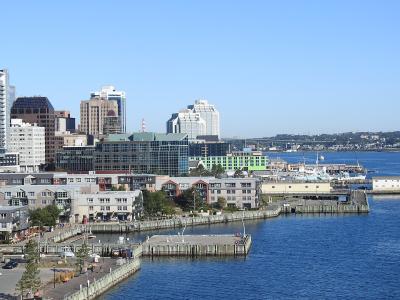
Nova Scotia
Halifax
Nova Scotian port city with historic star-shaped fort
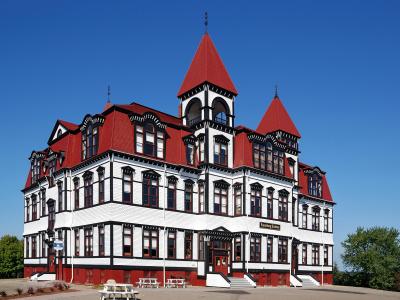
Nova Scotia
Lunenburg
UNESCO World Heritage site with colorful colonial architecture

Nova Scotia
Wolfville
Annapolis Valley university town on the Minas Basin
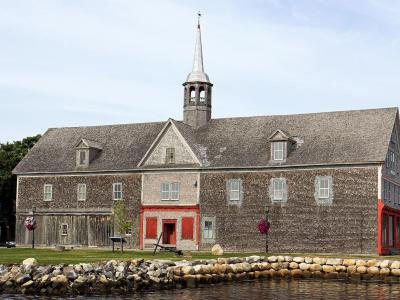
Nova Scotia
Shelburne
Historic Nova Scotia waterfront and Black Loyalist heritage