







History
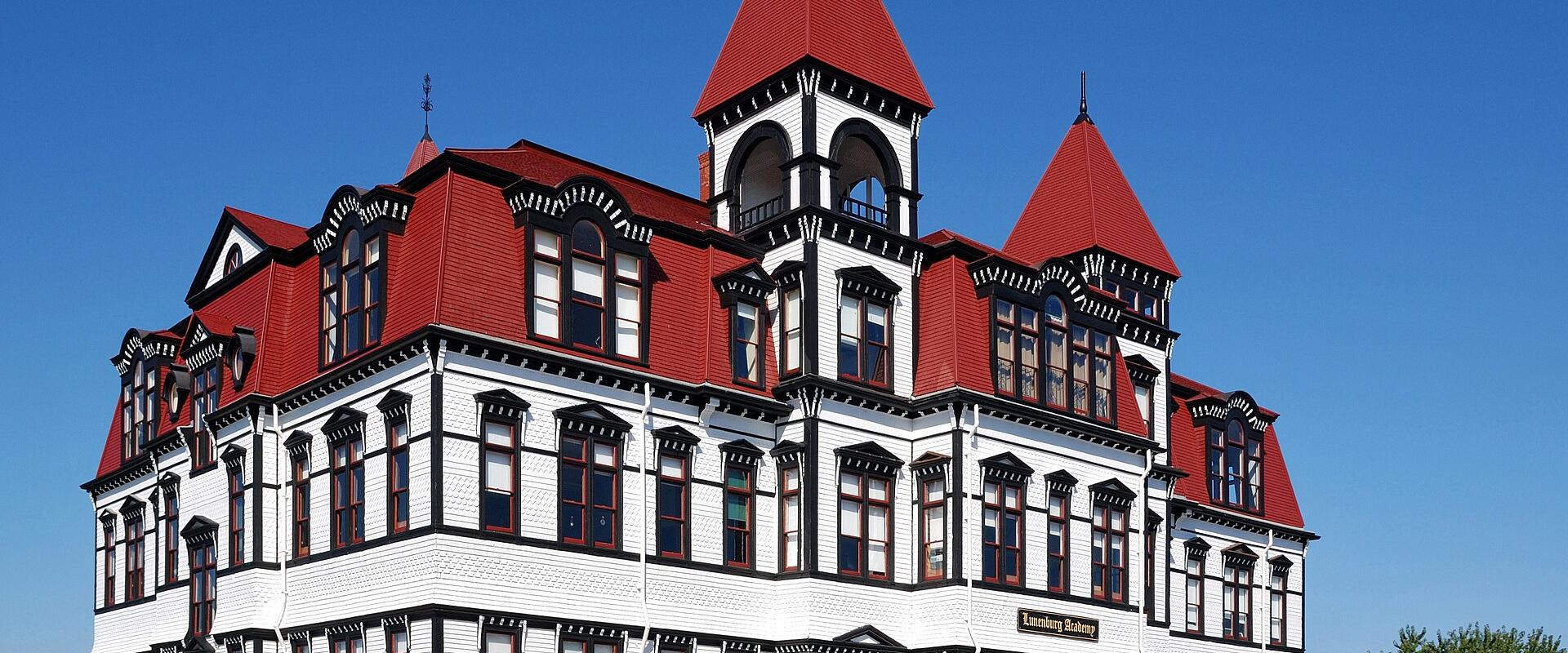
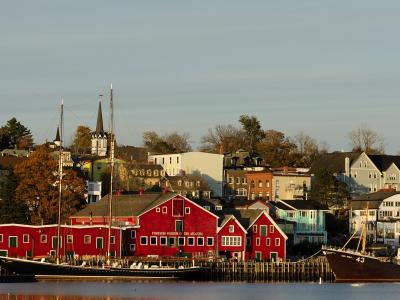
Founded in 1753, Old Town Lunenburg holds a distinguished place in Canadian history as one of only two urban UNESCO World Heritage Sites in the country. Established as a British colonial settlement, the town was designed with a unique grid layout that has remained largely intact for over 270 years. This continuous habitation has allowed Lunenburg to preserve its architectural integrity and cultural identity, making it a living museum of 18th-century colonial life. The town’s strategic location on the Atlantic coast made it a vital hub for shipbuilding and fishing, industries that shaped its economy and social structure for centuries. The vibrant wooden houses, painted in bright reds, yellows, and blues, were originally practical measures to protect the wood from the harsh maritime climate, but they have since become an iconic symbol of the town’s visual appeal. Lunenburg’s heritage is not just in its buildings but in the stories of the families who have called this place home for generations, maintaining traditions that reflect its deep-rooted maritime past.
Main Attractions
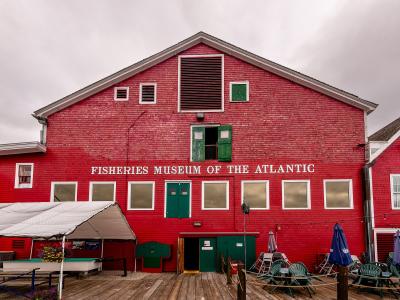
The heart of Lunenburg’s appeal lies in its well-preserved historic district and its connection to the sea. The Fisheries Museum of the Atlantic is a cornerstone of the town’s cultural landscape, housed in former fish processing plants. It offers comprehensive exhibits on the region’s fishing history, from indigenous practices to modern techniques, and features the Theresa E. Connor, Canada’s oldest saltbank schooner. Nearby, the waterfront historic district provides a picturesque setting for leisurely strolls, with views of working fishing boats and colorful colonial architecture. A major highlight is the Bluenose II, a replica of the famous racing schooner depicted on the Canadian dime. This iconic vessel serves as a floating ambassador for Lunenburg, offering sailing tours when in port. For those interested in domestic history, the Knaut-Rhuland House Museum provides a glimpse into 18th-century life, showcasing period furnishings and artifacts. The town’s compact size makes it easy to explore on foot, allowing visitors to seamlessly transition between these key landmarks.
Activities
Visitors to Lunenburg can engage in a variety of activities that highlight its maritime heritage and natural beauty. Sailing on the Bluenose II offers a unique perspective of the harbor and the surrounding coastline, connecting guests with the town’s seafaring legacy. For a more grounded experience, self-guided walking tours through the Old Town reveal architectural details and historical plaques that tell the story of the settlement. The waterfront area is ideal for photography, with its vibrant colors and scenic views of the Atlantic. Food enthusiasts can explore the local culinary scene, which ranges from fresh seafood at the Old Fish Factory to craft spirits at the Ironworks Distillery, located in a historic blacksmith shop. The nearby community of Blue Rocks, just a short drive away, offers additional opportunities to enjoy local crafts and refreshments at The Point General Store. The town’s accessibility ensures that these activities are inclusive, with wheelchair-accessible facilities at the museum and most restaurants.
Getting There
Lunenburg is conveniently located on Nova Scotia’s South Shore, making it easily accessible by car from major cities. It is approximately one hour’s drive from Halifax, the provincial capital, via Highway 103 and Highway 3. The town’s central location makes it an ideal basecamp for exploring the region, with Mahone Bay just ten minutes away and Peggy’s Cove about an hour’s drive. Public transportation options are limited, so renting a car is the most practical way to reach Lunenburg and explore the surrounding areas. Once in town, the compact nature of the historic district means that most attractions are within walking distance, reducing the need for additional transportation.
Best Time to Visit
The best time to visit Lunenburg is during the summer months, from June to August, when the weather is mild and the town is fully active. This period offers the best conditions for sailing tours, outdoor dining, and exploring the historic sites. September is also a popular time to visit, with fewer crowds and pleasant temperatures, making it ideal for a relaxed getaway. While the town is open year-round, some attractions, such as the Knaut-Rhuland House Museum, operate seasonally. Winter visits offer a quiet, atmospheric experience, but visitors should be prepared for colder temperatures and limited services.
Best time to visit
May to October for mild weather and full access to sailing tours and outdoor attractions.
What to see in Lunenburg
Our picks first.
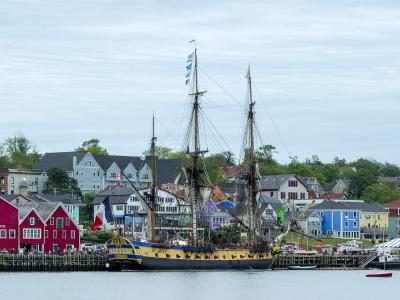
Lunenburg Waterfront and Old Town
Architecture · Historic Towns
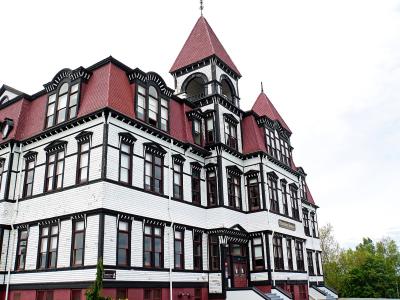
Lunenburg Academy Museum and Art Gallery
Architecture · Historic Houses
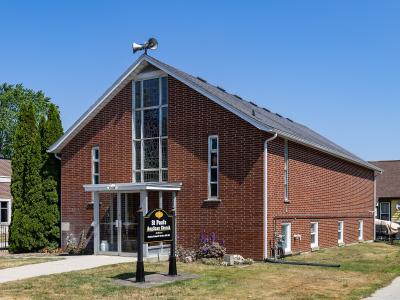
St. Paul's Church
Anglican church in Lunenburg, Nova Scotia
Free History & Heritage
Lunenburg Maritime Heritage Centre
Historic Towns · Maritime Museums
Fisheries Museum of the Atlantic
Maritime museum in UNESCO World Heritage Lunenburg
Historic Towns · Maritime Museums

Lunenburg Town Square
UNESCO World Heritage site in historic Lunenburg
City Centers · Historic Towns
Lunenburg by interest
The same sights, grouped by what you came for.
Did you know?
Checked facts about Lunenburg, each with its source.
-
Film & TV
Lunenburg as Stand-in for Maine
The town of Lunenburg, Nova Scotia, has served as a primary filming location for productions set in other locations, such as the 1995 film 'Dolores Claiborne' and the TV series 'Locke & Key,' leveraging its historic architecture to double for other New England settings.
Source: moviescenemap.com
Planning a visit to Lunenburg
Itineraries that include Lunenburg
Good to know
- Currency
- CAD
- Language
- English
Quick Facts
Book your stay
Questions people ask
More places in Nova Scotia
Nova Scotia
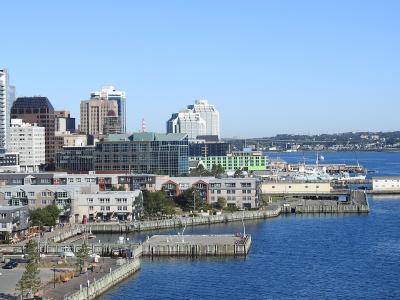
Halifax
Nova Scotian port city with historic star-shaped fort
Nova Scotia
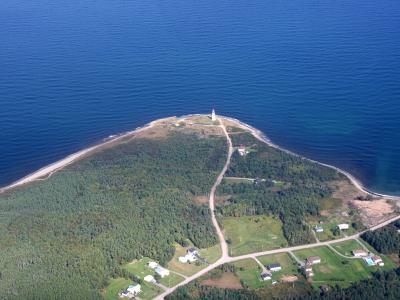
Cape Breton Island
Island destination with dramatic coastal views
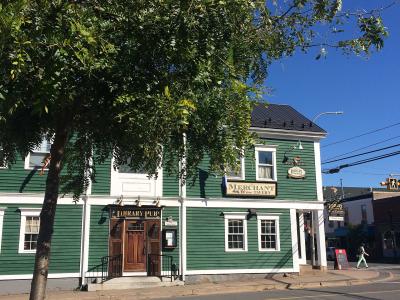
Nova Scotia
Wolfville
Annapolis Valley university town on the Minas Basin
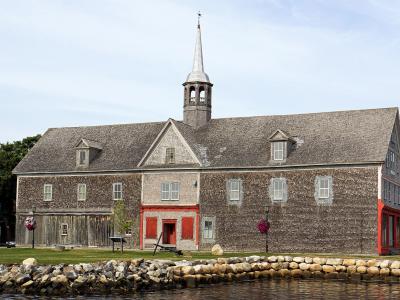
Nova Scotia
Shelburne
Historic Nova Scotia waterfront and Black Loyalist heritage