





Lunenburg Maritime Heritage Centre
- Where
- Lunenburg, Nova Scotia
- Directions
- Directions
Lunenburg’s maritime story is told along its waterfront rather than within a single building. The town, on Nova Scotia’s South Shore, was founded in 1753 by foreign Protestant settlers who turned to the sea, and over the next two centuries it became the centre of the Atlantic fishing fleet and of the schooner trade. The Old Town is a UNESCO World Heritage Site, designated in 1995 as the best surviving example of a planned British colonial settlement in North America, and the waterfront is where its seafaring identity is easiest to see.
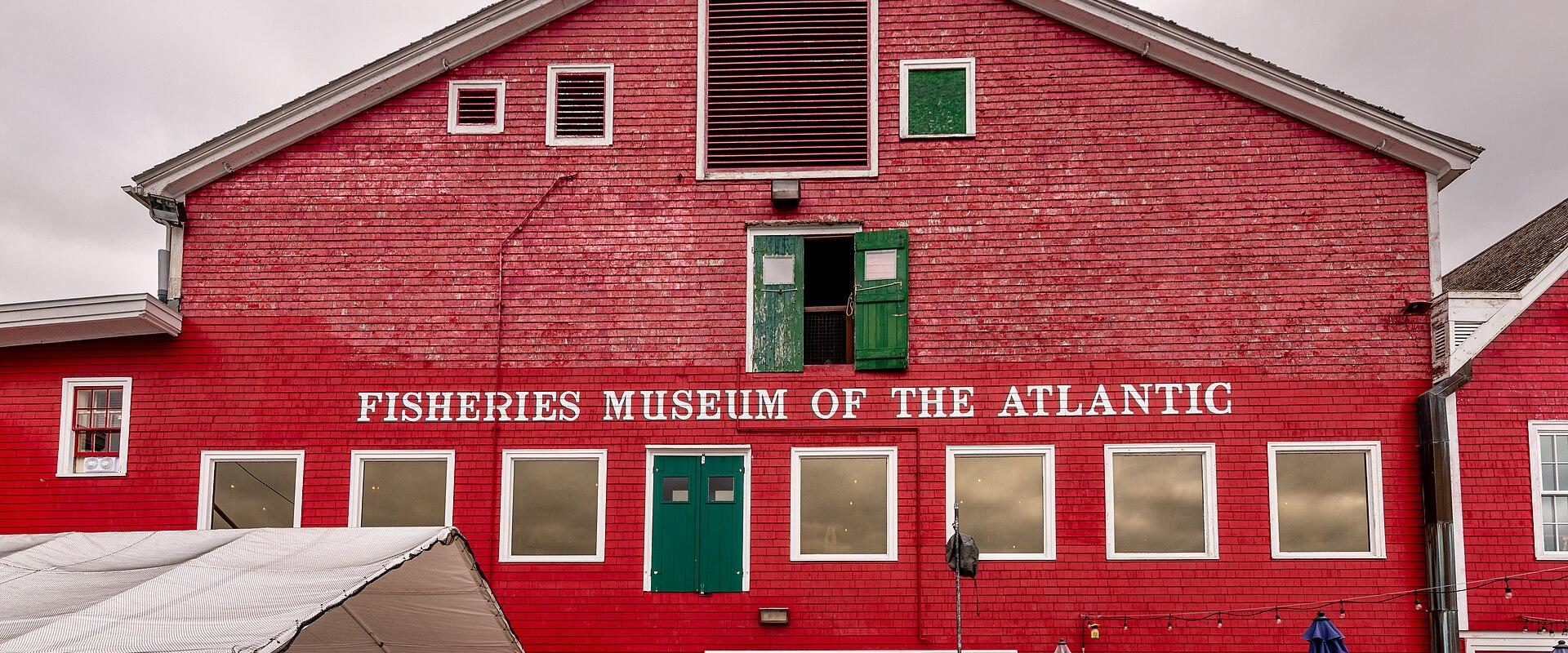
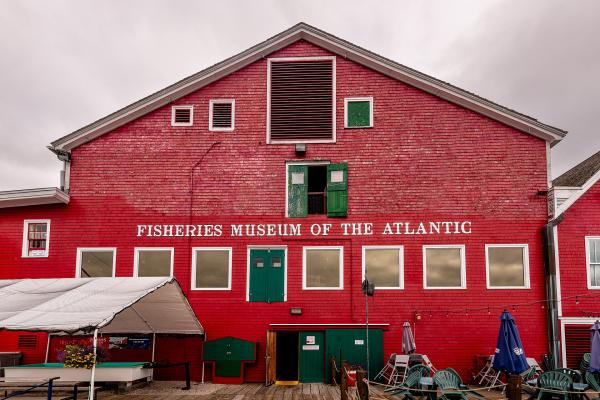
The principal institution for the story is the Fisheries Museum of the Atlantic, in a group of buildings on the harbour front. It is the place where the deep-sea fishery, the dory fishermen and the salt-cod trade are explained, with aquariums, exhibits on boat building and a collection of working vessels moored at the wharf. The schooner Theresa E. Connor, built in Lunenburg in 1938, is one of the vessels visitors can board, and its decks, galley and fo'c'sle show how crews lived on the Grand Banks. The museum is also a convenient place to start, since parking and orientation are close beside it.
The town's most famous vessel is the Bluenose, the racing schooner launched in Lunenburg in 1921, which won the International Fishermen's Trophy for decades and became a national symbol, appearing on the Canadian dime. The Bluenose II, a replica built in 1963 and extensively rebuilt in the early 2010s, sails from Lunenburg in the summer and is a sight when she raises her sails. Visitors who time their trip right can see her leave or return to the dock, or even take a sail.
Along the streets, the houses are painted in strong colours and many have the distinctive Lunenburg Bump, a dormer-like extension above the front door that adds headroom to the upstairs rooms. The shipyard, working fishing boats and the sound of gulls and rigging give the harbour its character. A walk along Montague Street and up the hill behind it reveals more of the 19th-century architecture, including St. John's Anglican Church.
Parking is easiest near the waterfront, with paid lots close by, and the district is compact enough to explore on foot in a morning. Opening times for individual sites vary by season, so confirm them before you plan your day. A wander at dusk, when the lamps come on and the schooners are silhouetted against the water, is a fitting end to a visit.
Categories
More photos coming soon
Nearby Attractions
Other places to visit in Lunenburg
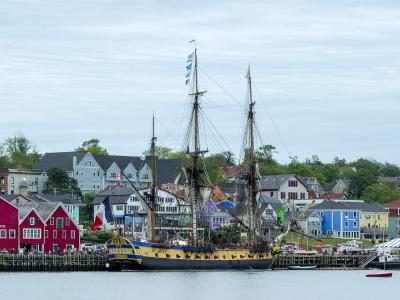
Lunenburg Waterfront and Old Town
Architecture · Historic Towns
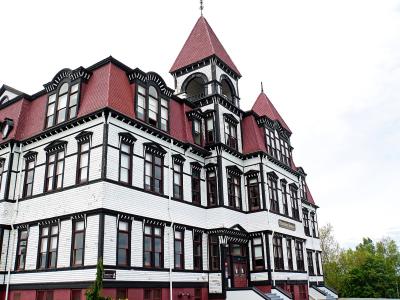
Lunenburg Academy Museum and Art Gallery
Architecture · Historic Houses
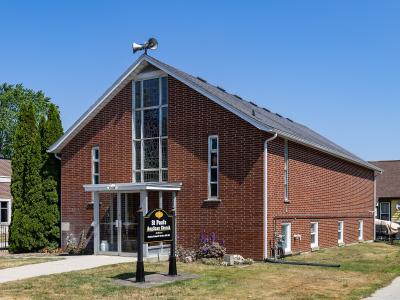
St. Paul's Church
Anglican church in Lunenburg, Nova Scotia
Free History & Heritage
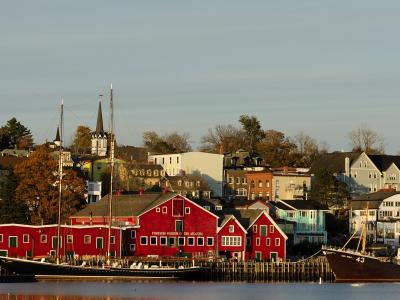
Fisheries Museum of the Atlantic
Maritime museum in UNESCO World Heritage Lunenburg
Historic Towns · Maritime Museums
Questions people ask
Quick Facts
Best Time to Visit
May to October for mild weather and full access to sailing tours and outdoor attractions.