





Fortress of Louisbourg National Historic Site
- Admission
- Free admission
- Hours
- July 1 to September 11, 2026: Open 7 days a week starting at 9:30 AM
- Where
- Cape Breton Island, Nova Scotia
- Directions
- Directions
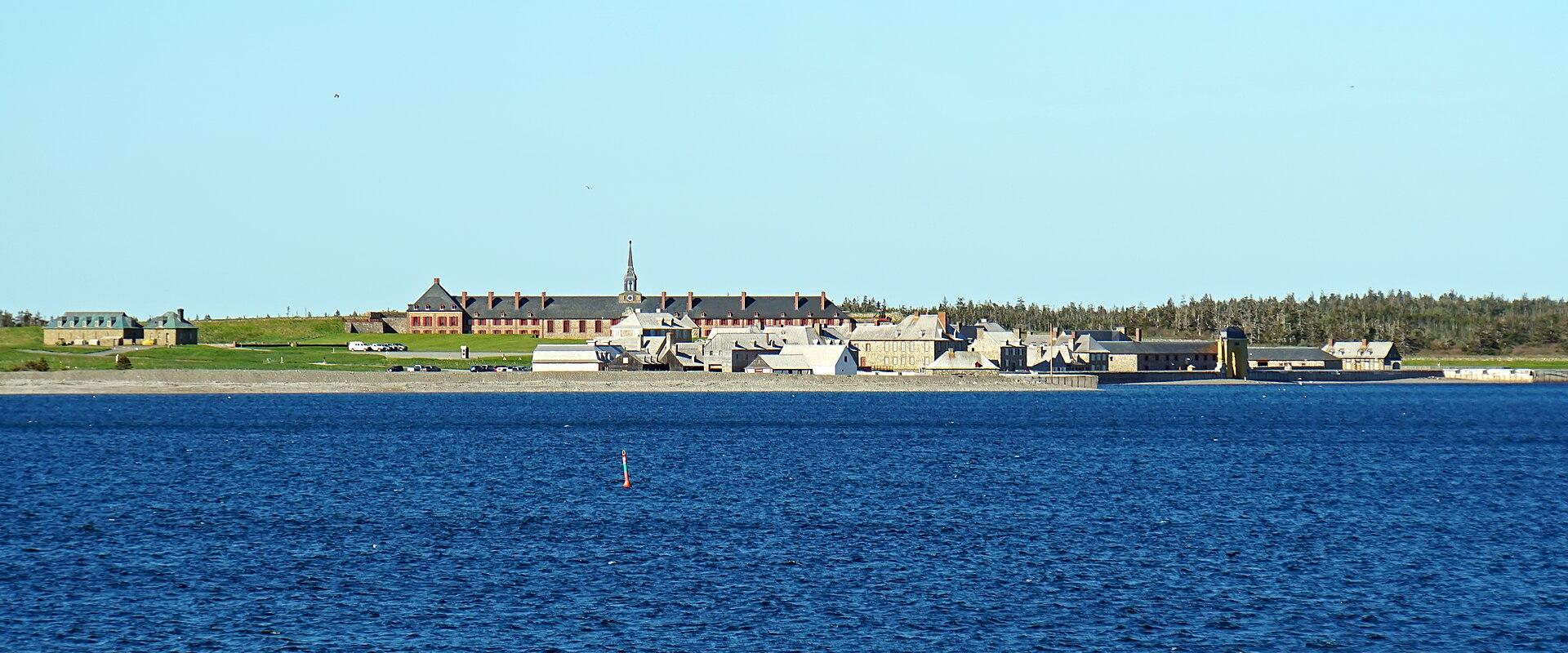
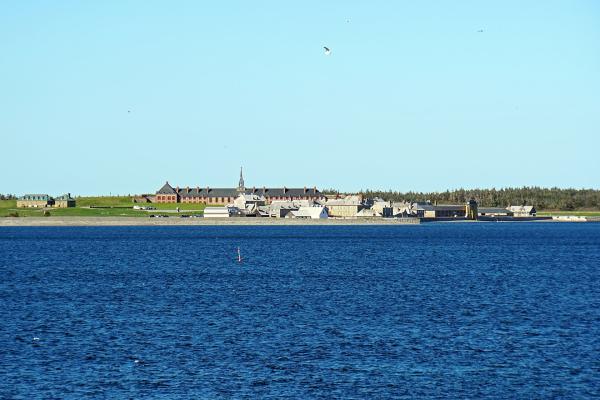
The Fortress of Louisbourg National Historic Site is a reconstruction of an eighteenth-century French colonial town on the Atlantic coast of Cape Breton Island, Nova Scotia, near the modern community of Louisbourg. It is run by Parks Canada and is among the largest historical reconstructions in North America, with only about a quarter of the original town rebuilt. Walking in through the gates, visitors step into a walled port town as it might have looked in the 1740s.
The history is dramatic. After the Treaty of Utrecht in 1713, France lost mainland Acadia and Newfoundland and chose this harbour on what was then called Isle Royale as a new base. Construction of the fortified town started in 1719, and for decades Louisbourg was a major fishing port and an important point on the trade routes of the North Atlantic. It was also a military stronghold, with bastions, ramparts and a garrison. New England forces captured it in 1745, it was returned to France in 1748, and in 1758 the British took it again. The fortifications were later demolished, and the town was left in ruins.
In the 1960s the Canadian government began rebuilding the site, partly to provide work for unemployed coal miners in the area. Archaeologists and historians used plans, records and excavation to guide the work, which is why so many details are credible. The King’s Bastion is the largest building and includes the governor's apartments, the chapel and the soldiers' barracks. Smaller houses, taverns, a bakery and merchants' stores show daily life among fishermen, officers, servants and traders.
Costumed interpreters play residents of the town and answer questions in character, whether they are soldiers drilling, a cook preparing a meal, or a fisherman describing the catch. Food is sometimes available in period-style settings, and demonstrations of musket and cannon fire add to the atmosphere. The site also features a Mi’kmaw Interpretive Centre, which recognises the Indigenous Mi'kmaq as the original people of the region, and hiking trails outside the walls give views over the harbour and the surrounding coast.
The grounds are large, so a full visit takes much of a day, and the walking is on uneven surfaces and cobbles. Weather on the coast can turn quickly, so layers are wise even in summer. A shuttle bus carries visitors from the reception area to the town in season. The site suits history enthusiasts, families and anyone who wants to see how a colonial port worked. It lies about 35 kilometres from Sydney, and it combines naturally with the Alexander Graham Bell museum in Baddeck and drives on the Cabot Trail.
Categories
More photos coming soon
Hours & Fees
- Open
- July 1 to September 11, 2026: Open 7 days a week starting at 9:30 AM
- Admission
- Free admission
Hours and prices change, especially out of season. Check with the venue before you go.
Nearby Attractions
Other places to visit in Cape Breton Island
Questions people ask
Quick Facts
Best Time to Visit
June through September offers warm weather, ideal for hiking and coastal exploration.