





History
Hamilton’s identity is inextricably linked to its industrial heritage, earning it the nickname "Steel City" for its historical role in the Canadian steel industry. The city’s development was driven by the arrival of the Grand Trunk Railway in the 19th century, which transformed a small settlement into a major industrial hub. This industrial legacy is preserved in the city’s architecture and cultural institutions, which reflect the resilience and ingenuity of its workforce. The Hamilton Heritage District, with its Victorian-era buildings, stands as a testament to the city’s industrial past. The area is rich in history, with many buildings dating back to the late 19th and early 20th centuries, offering a glimpse into the city’s industrial heritage.
Main Attractions
The primary attraction in Hamilton is the Canadian Warplane Heritage Museum, located in Mount Hope. The museum houses a collection of historic aircraft, including the world’s only surviving Avro Lancaster bomber. The museum offers a unique insight into the history of aviation, with interactive exhibits and flight simulators. Another key attraction is the Royal Botanical Gardens, one of the largest botanical gardens in Canada. The gardens feature a diverse range of plant collections, including the famous Rock Garden, which is a popular destination for nature enthusiasts. The gardens offer a peaceful retreat, with walking trails and educational programs.
Activities
Hamilton offers a wide range of activities for visitors. The city is known for its hiking trails, particularly along the Niagara Escarpment, which offers stunning views and a variety of hiking options. The Bruce Trail, a popular hiking trail, passes through the area, offering opportunities for exploration and nature appreciation. The city also offers a variety of cultural activities, including museum visits, art galleries, and live music events. The Hamilton Public Library and the Art Gallery of Hamilton are popular destinations for those interested in culture and arts.
Getting There
Hamilton is easily accessible by car, located approximately 60 kilometers west of Toronto. The drive takes approximately 45 minutes, depending on traffic conditions. The city is well-connected by Highway 403 and Highway 403, making it accessible for those traveling from Toronto or other major cities. Public transportation options include GO Transit, which offers regular bus and train services to Hamilton. The Hamilton Go Station is a central hub, providing easy access to the city center and other key locations.
Best Time to Visit
The best time to visit Hamilton is during the spring and fall months, when the weather is mild and pleasant. The spring months, from April to June, offer pleasant weather and blooming flowers, making it an ideal time for outdoor activities. The fall months, from September to October, are also excellent, with cool temperatures and beautiful foliage. The summer months, from June to August, can be hot and humid, but the city’s many parks and gardens provide a refreshing escape. The winter months, from December to February, are cold and snowy, but the city’s indoor attractions, such as the Canadian Warplane Heritage Museum, offer a warm and engaging experience.
Best time to visit
May through October offers warm weather ideal for outdoor exploration.
What to see in Hamilton
Our picks first.

Hamilton Public Library - Central Branch
Architecture · Educational Sites

Gage Park
Architecture · Gardens
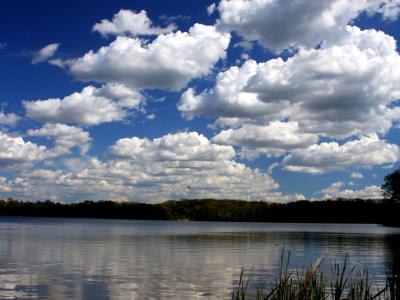
Cootes Paradise
600-hectare marsh sanctuary in Hamilton, Ontario
Free Culture & Leisure · Natural Wonders
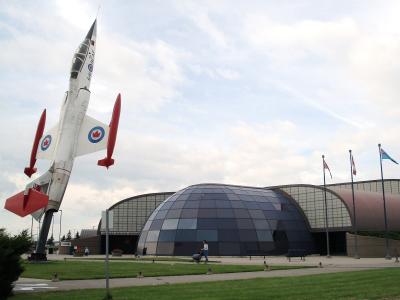
Canadian Warplane Heritage Museum
Museums · Transportation

Old First United Church
Former 1914 Italian Renaissance church in Hamilton
History & Heritage
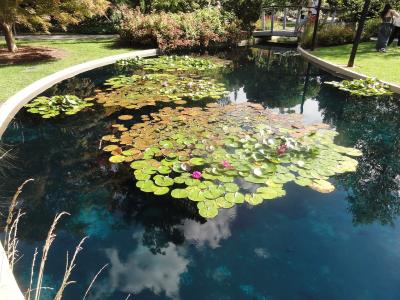
Royal Botanical Gardens
Gardens · Geological Sites

Hamilton Farmers' Market
Free Food & Markets · History & Heritage
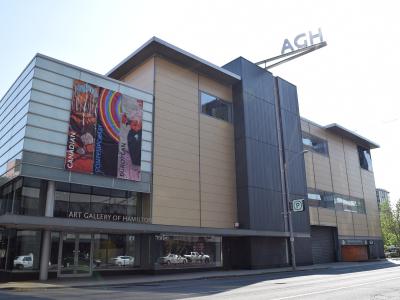
Art Gallery of Hamilton
Guided Tours · Museums
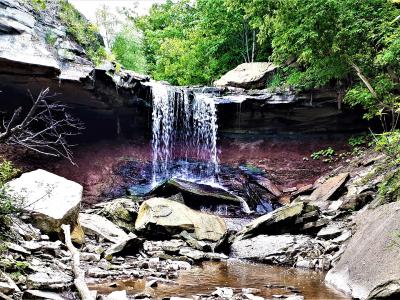
Devil's Punchbowl
History & Heritage · Natural Wonders
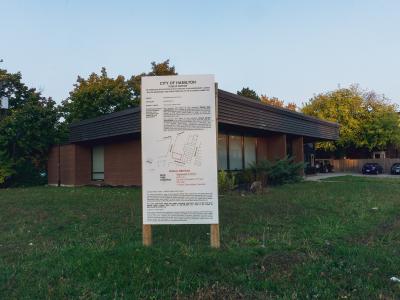
James Street North
Free Culture & Leisure · Urban & City Life

FirstOntario Concert Hall
Music Venues · Theaters
Hamilton by interest
The same sights, grouped by what you came for.
Did you know?
Checked facts about Hamilton, each with its source.
-
Film & TV
The Shape of Water
The 2017 film The Shape of Water was filmed in Hamilton, Canada, taking advantage of the local film industry infrastructure.
Source: moviescene.com
Planning a visit to Hamilton
Itineraries that include Hamilton
Good to know
- Currency
- CAD
- Language
- English