




2-day itinerary
Banff Cultural Heritage
2-day heritage tour of Banff's historic sites and culture
- Length
- 2 days
- Pace
- Moderate
- Estimated cost
- CA$120 per person
- Based in
- Banff
Practical information
The optimal time to visit Banff for a cultural and natural experience is between May and October. During this window, weather conditions are mild, and all park roads, including the Icefields Parkway, are fully accessible. Summer months (June through August) offer the most reliable weather but also the highest crowds, requiring advance booking for all services. Winter visits offer a different aesthetic but require specialized gear and caution due to ice and limited daylight.
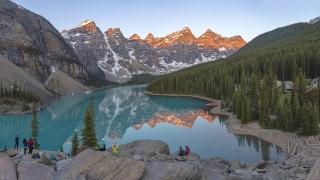
Transportation is a critical logistical component. While you can fly into Calgary International Airport (YYC) and take a shuttle or drive to Banff, the most practical way to explore the region is by private vehicle. Public transit options are limited to the Roam Public Transit system, which connects Banff, Lake Louise, and Canmore. However, for flexibility, especially to reach specific cultural sites or trailheads, renting a car is highly recommended. Reservations for shuttle buses to popular spots like Moraine Lake are essential during peak season, as walk-up access is often restricted to manage overcrowding.
Accommodation should be booked well in advance, particularly for the summer months. Staying in the town of Banff offers the most convenient access to cultural heritage sites, restaurants, and shops. Alternatively, staying in the nearby town of Canmore provides a slightly quieter atmosphere with easy access to the same attractions. Both areas offer a range of options from luxury hotels to budget-friendly motels and bed-and-breakfasts.
Budget considerations should account for the high cost of living in a popular tourist destination. Costs for accommodation, dining, and activities are generally higher than in non-tourist areas. It is advisable to book meals and activities in advance to secure availability and potentially better rates. Budget for entrance fees to national parks, which are included in the cost of the Parks Canada Discovery Pass, valid for one year.
When packing, prioritize layers suitable for variable mountain weather, including waterproof outerwear, warm layers, and sturdy hiking boots. Essential items include sun protection, insect repellent, and reusable water bottles. Be prepared for sudden weather changes, even in summer, by carrying rain gear and extra layers. Always check local weather and road conditions before setting out on any excursions.