
Lake Louise
- Where
- Banff, Alberta
- Directions
- Directions
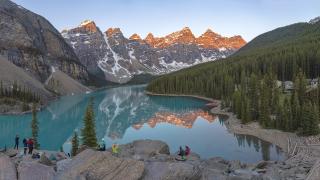
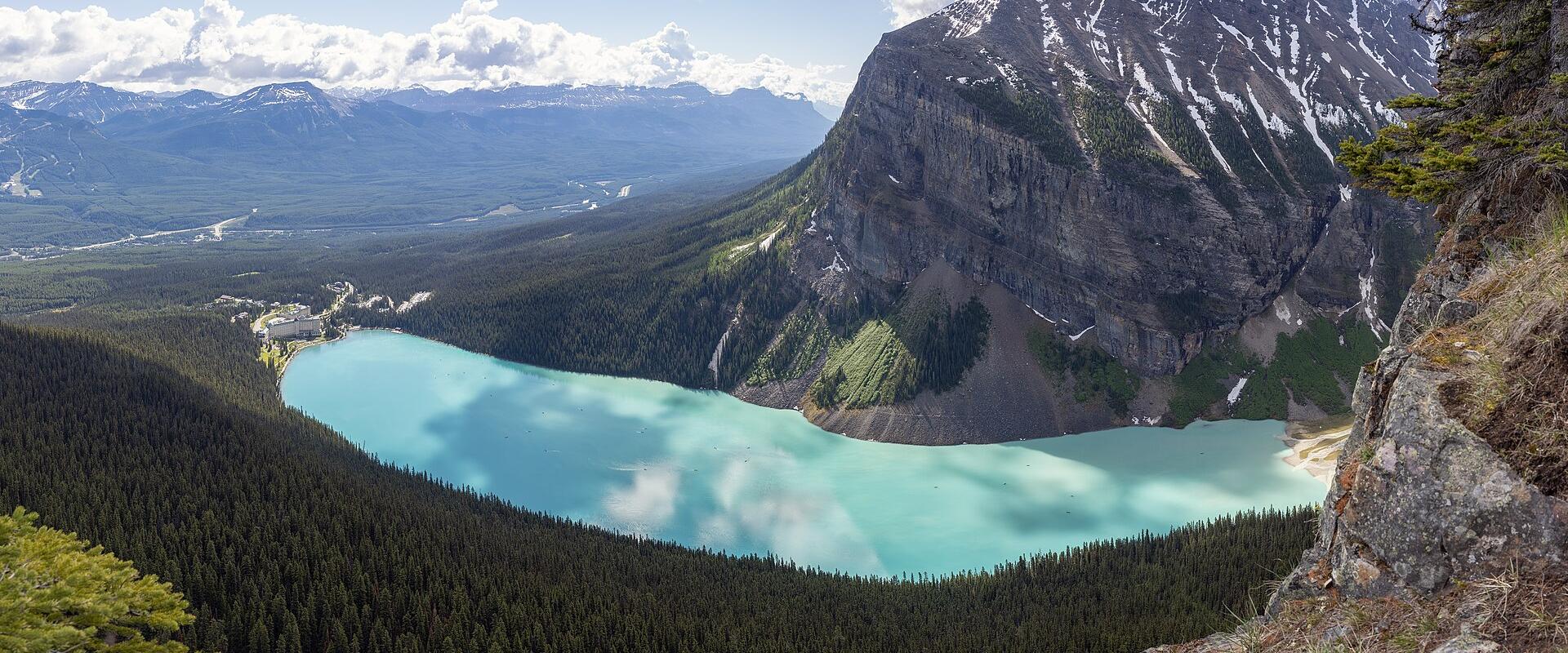
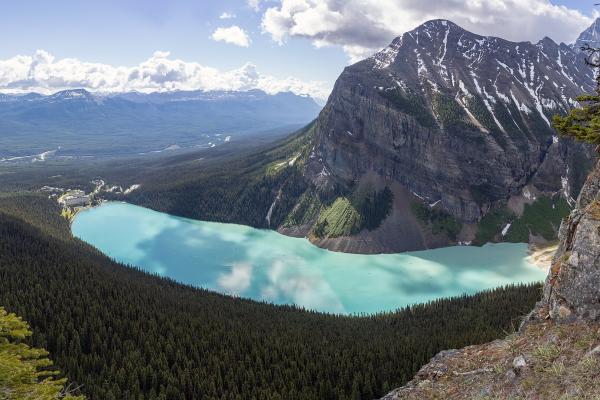
Lake Louise is a glacial lake in Banff National Park, Alberta, and it is one of the best-known sights in the Canadian Rockies. Its water is famous for its vivid turquoise colour, which comes from fine rock flour ground by glaciers and carried into the lake by meltwater. At the far end, the Victoria Glacier rests on the slopes of Mount Victoria, and the combination of colour, mountain wall and ice makes one of the most photographed views in Canada. The lake lies within the Canadian Rocky Mountain Parks, a UNESCO World Heritage Site.
The Stoney Nakoda people knew the lake long before European explorers did, and one of their names for it is commonly translated as the Lake of the Little Fishes. In 1882 the guide Tom Wilson was led to the lake by a Stoney man and named it Emerald Lake, but the name was changed within a couple of years to honour Princess Louise Caroline Alberta, a daughter of Queen Victoria and the wife of Canada’s governor general at the time. The same princess gave her name to the province of Alberta. The arrival of the Canadian Pacific Railway brought tourists, and the lake became a centre of mountain tourism.
Access has changed in recent years because of the number of visitors. Parks Canada runs shuttles to the lake and nearby Moraine Lake, and parking at the lakeshore is limited and fills early, so visitors should check current rules and book transit in advance where required. The Lake Louise Lakeshore Trail, an easy and mostly flat walk along the north side, gives close views of the glacier, and many people stop at the viewpoints along the way. Canoes can be rented at the boathouse in summer and are among the most popular ways to see the lake. Paddlers glide across the turquoise surface with the mountains behind them.
For hikers, the lake is a gateway to some of the best trails in the Rockies. The route to the Lake Agnes Tea House climbs through forest to a small alpine lake with a historic tea house, and another trail leads on to the Plain of Six Glaciers, where a second tea house sits beneath ice and rock. These routes are busy in summer, and conditions on higher ground can be cold or snowy even in the warm months. In winter, the lake freezes and becomes a venue for skating, ice sculpture and cross-country skiing, and the surrounding peaks are covered in deep snow.
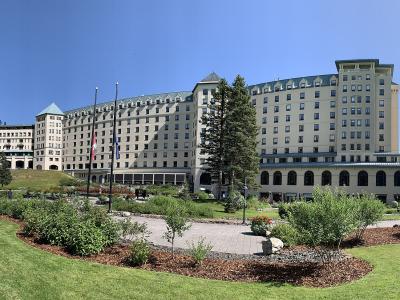
Fairmont Chateau Lake Louise, the historic hotel at the head of the lake, adds to the setting. Visitors are advised to check current conditions, including fire bans and trail closures, before travelling. The Lake Louise Visitor Centre can provide current information. Arrive early for the best light and the fewest crowds, and bring layers, since weather can change quickly.
Categories
More photos coming soon
Nearby Attractions
Other places to visit in Banff
Questions people ask
Quick Facts
Best Time to Visit
June to August for warm weather; December to March for winter sports.