
When Winter Starts and What to Expect
Winter in Banff National Park runs roughly from November to April, with the ski season usually opening in November and the best snow and frozen lakes from late December through March. The town of Banff sits at about 1,380 metres, so expect cold, dry air and temperatures that regularly drop well below freezing, especially overnight and in January cold snaps. Days are short around the solstice, so plan outdoor activities for the middle of the day.
Every visitor needs a Parks Canada pass. Daily admission for Banff is currently listed at $12.25 per adult, $10.75 for seniors and $24.50 for a family or group of up to seven in one vehicle. An annual Discovery Pass ($83.50 adult, $167.50 family or group) is worth it if you will spend about a week or more in national parks within a year. Check the Parks Canada fees page before you go, as rates are reviewed periodically.
The Three Ski Areas
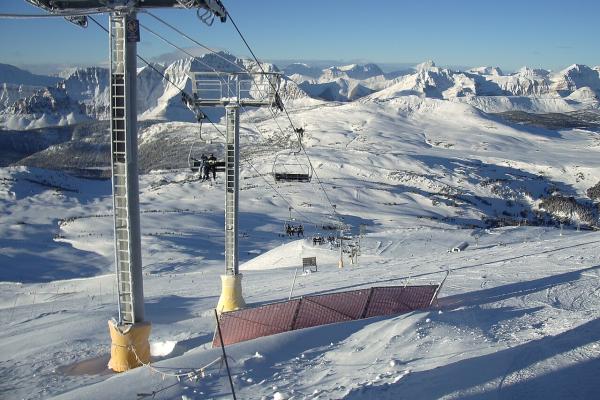
Banff has three ski areas inside the national park, which can be skied on a shared multi-resort ticket or separately.
- Mt. Norquay is the closest to town, a short drive up the mountain road. It is good for half days and has night skiing on some evenings.
- Sunshine Village sits on the Continental Divide west of Banff. You leave your car at the base and ride a gondola up to the village. It is known for its high elevation and long season.
- Lake Louise Ski Resort is about 45 minutes west of Banff, across the valley from the lake itself. It is the largest of the three, with views across to the Lake Louise peaks.
Shuttle buses between town hotels and the ski areas typically run in season; ask your hotel or check the resorts' websites. Off-piste and backcountry terrain is avalanche country. If you plan to ski or snowshoe beyond resort boundaries, check the Avalanche Canada forecast and carry the right equipment and training.
Banff Upper Hot Springs and Sulphur Mountain
Banff Upper Hot Springs, operated by Parks Canada, is open year-round. Soaking in the outdoor pool with snow on the surrounding peaks is one of the classic winter experiences in the park. It gets busy on weekend afternoons and evenings, so a weekday morning is quieter. Swimsuits and towels can be rented on site.
The Banff Gondola, a few minutes away on Sulphur Mountain, also runs in winter. At the top, a boardwalk leads along the ridge to a historic weather observatory. The boardwalk can be icy, so wear good footwear.
The Cave and Basin National Historic Site, where the park's story began in 1883 with the discovery of the hot springs, is in town. Its winter opening days are reduced, so check before going.
Frozen Canyons, Lakes and Winter Walks
Johnston Canyon, on the Bow Valley Parkway between Banff and Lake Louise, has a catwalk trail bolted to the canyon walls. In winter, the waterfalls freeze into columns of ice. The trail to the Lower Falls is the most popular, and the Upper Falls are further along. The path is often icy and packed hard, so ice cleats or microspikes are strongly recommended. Guided tours that include cleats are offered by local companies.
Lake Louise freezes over in winter, and a skating area is usually cleared on the lake in front of the Fairmont Chateau Lake Louise once the ice is thick enough. The lakeshore walk and nearby trails are good for snowshoeing.
Around town, the Bow River trail, the Fenland trail and the walk to Bow Falls are easy options. Parks Canada also grooms cross-country ski trails in several areas of the park; check its winter trail reports for conditions.
Winter Driving and Getting Around
Highway 1, the Trans-Canada, is plowed and well maintained, but conditions can change quickly in snowstorms. Winter tires are strongly recommended for any mountain driving and are required on the Icefields Parkway (Highway 93 North) in winter. The Icefields Parkway between Lake Louise and Jasper has no fuel, food or cell service in winter, and it can close for avalanche control. Check Alberta 511 and Parks Canada road reports before you set out.
Without a car, the Roam Transit bus system connects Banff town with the Gondola and Upper Hot Springs, and runs a regional route to Lake Louise. Several airport shuttle companies connect Calgary International Airport with Banff and Lake Louise.
Wildlife and Safety
Elk, bighorn sheep and deer are often seen near town and along the highways in winter, and wolves and cougars live in the valley. Give wildlife plenty of room and never feed animals. Drive slowly at dawn and dusk, when animals are most active near roads.
Dress in layers, cover exposed skin in windchill, and carry water and snacks on walks; short days and cold make small delays more serious. Cell coverage is good in Banff and Lake Louise but patchy elsewhere in the park.
A Simple Winter Itinerary
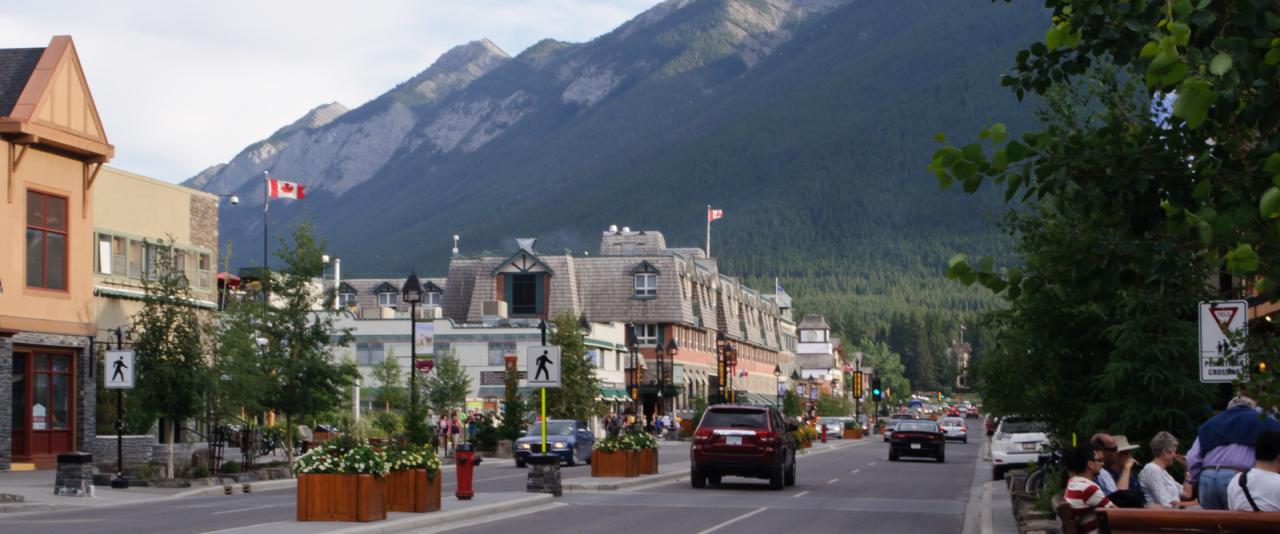
- Day 1: Arrive, walk Banff Avenue and the Bow River trail, and soak at the Upper Hot Springs.
- Day 2: Ski at Sunshine Village or Mt. Norquay.
- Day 3: Johnston Canyon ice walk in the morning, then Lake Louise for skating and a lakeshore snowshoe.
- Day 4: Ski Lake Louise, or ride the Banff Gondola and visit the Cave and Basin.