


Why Tofino
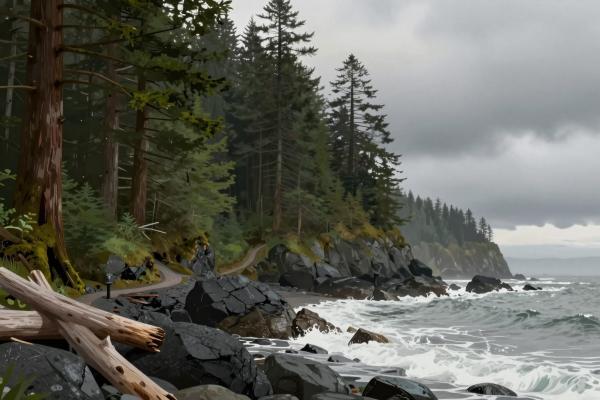
Tofino sits at the western end of Highway 4 on the open Pacific coast of Vancouver Island, at the southern edge of Clayoquot Sound. The sound has been a UNESCO Biosphere Reserve since 2000, and Long Beach, just south of town, is part of Pacific Rim National Park Reserve.
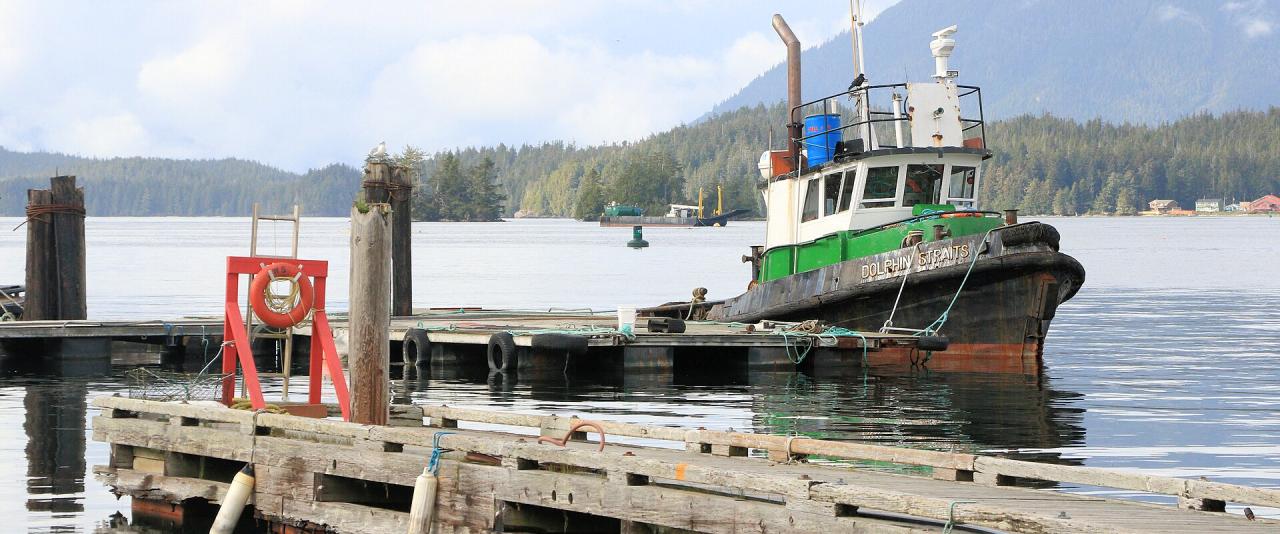
The coast here lies on the migration route of the eastern Pacific gray whale, and the inlets and nearshore waters are feeding grounds for several species. That makes Tofino one of the most popular whale-watching bases in British Columbia. Several licensed operators run trips from the town's harbour.
Which Whales You Might See
- Gray whales – the species Tofino is best known for. Thousands pass the coast each spring on their way north from Mexico to Arctic feeding grounds. A small number stay along the Vancouver Island coast through the summer, feeding close to shore. Grays have a low, bushy blow and no dorsal fin, and they often feed in shallow water by sucking up sediment, which leaves muddy plumes at the surface.
- Humpback whales – common offshore from spring through autumn. They have a tall, column-like blow and often lift their tail flukes when they dive.
- Orcas (killer whales) – seen on some trips but not predictable. Most sightings off Tofino are of transient (Bigg's) orcas, which hunt seals and sea lions.
Trips often also see sea lions, harbour seals, sea otters and bald eagles.
When to Go
- March and April: the peak of the northbound gray whale migration. The Pacific Rim Whale Festival marks it each March with events in Tofino and Ucluelet.
- May to October: the main tour season, with resident gray whales feeding close to shore and humpbacks offshore. Summer has the calmest seas and the busiest boats.
- Winter: few tours run, and sea conditions are often rough.
No operator can guarantee sightings. Many offer a credit or a free second trip if no whales are seen; ask about the policy before you book.
Choosing a Tour
Tofino operators generally use two kinds of boat:
- Zodiacs or rigid-hull inflatables – faster and closer to the water, with a bumpier ride. Survival suits are usually provided. Not recommended for people with back problems, during pregnancy or for very young children.
- Covered boats – slower, but with shelter from wind, rain and spray, and usually a toilet on board. A better choice in poor weather or for families.
Typical tours last two to three hours. Some combine whale watching with a trip to Hot Springs Cove in Maquinna Marine Provincial Park, about 45 km north of Tofino and reachable only by boat or floatplane, which makes a full-day outing.
Ask operators about trip length, boat type, group size and their cancellation policy. Trips are cancelled when wind or swell makes the open ocean unsafe. In 2015 a whale-watching boat capsized off Tofino in rough water, killing six people, and safety standards and conditions are worth taking seriously.
Watching from Shore
You can sometimes see gray whales from land, especially during the spring migration and when whales are feeding close in. Good spots include headlands and beaches in Pacific Rim National Park Reserve and the Wild Pacific Trail near Ucluelet, which follows the rocky coastline south of Tofino. Binoculars help, and calm, overcast mornings make blows easier to spot.
Rules for Being Near Whales
Canada's marine mammal regulations set minimum approach distances for all vessels, including kayaks and paddleboards. Most whales must not be approached closer than 100 m, and killer whales have a larger buffer, with stricter limits for endangered Southern Resident killer whales in southern BC waters. The rules change from year to year, so check Fisheries and Oceans Canada's current guidance before paddling or boating independently. Licensed operators follow these rules, which is part of what you pay for.
Getting to Tofino
From Nanaimo, on the east side of Vancouver Island, Highway 4 crosses the island via Port Alberni to the west coast; plan for at least three hours of driving on a winding road. Tofino-Long Beach Airport, about 11 km southeast of town, has scheduled flights, and floatplanes land in the harbour. Book accommodation early for summer weekends.