Yukon
Mountain highways, First Nations cultures, and Klondike history
- 1 destination
- 5 attractions
About Yukon
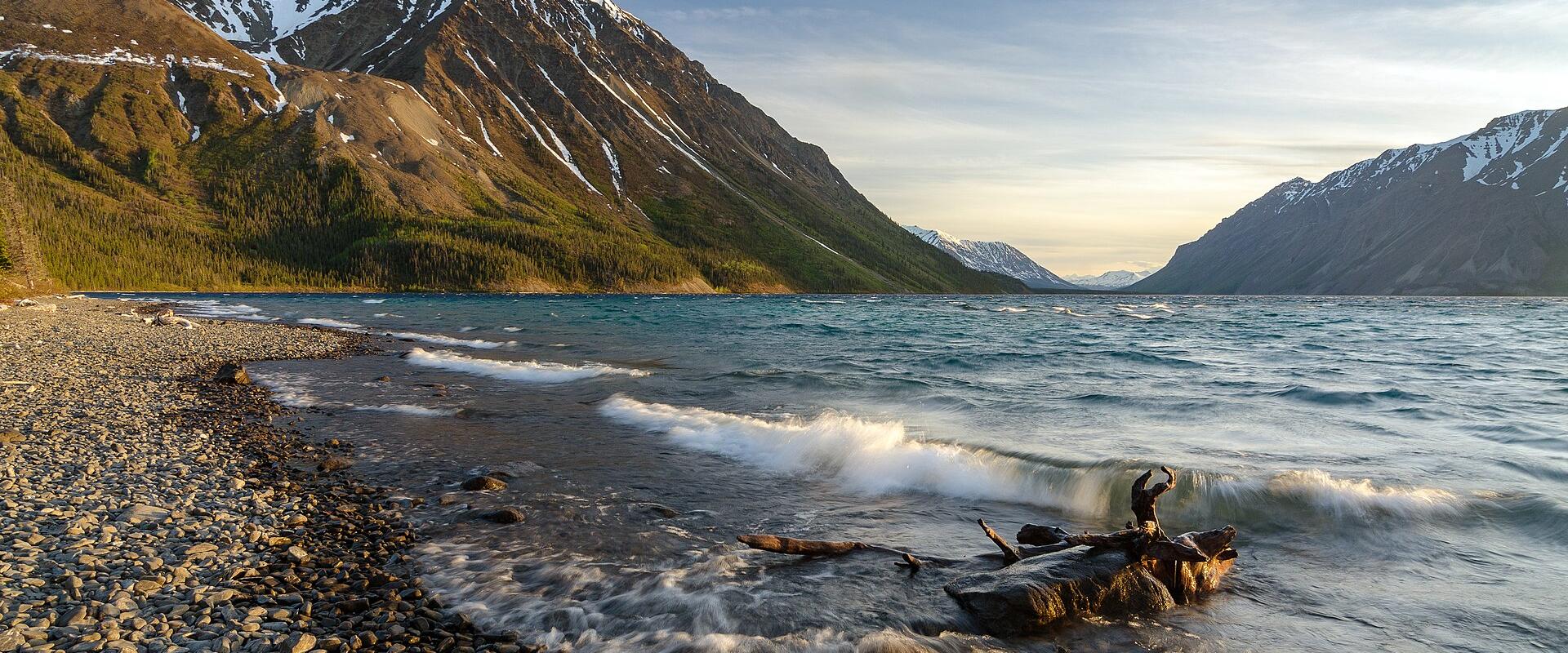
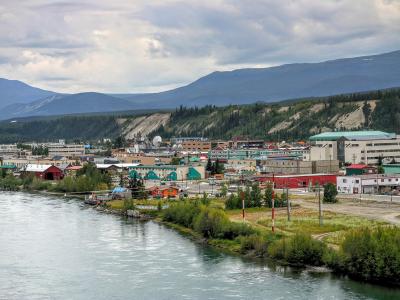
Yukon is a mountainous northern territory centered on Whitehorse, with long highways, major rivers, and communities shaped by First Nations cultures and gold-rush history.
Whitehorse is the capital and principal air and road hub, set on the Yukon River with museums, cultural centers, trails, and access to nearby lakes and mountains. Kluane National Park and Reserve protects some of Canada's highest and most heavily glaciated terrain, while Dawson City interprets the Klondike era alongside a living contemporary community. Fourteen Yukon First Nations have distinct histories and cultures; community-led centers and tours are the appropriate starting point for learning about them. The Alaska, Klondike, and Dempster highways make road travel possible, but fuel, weather, wildfire, and long distances require advance planning. Summer offers very long daylight and broad road access. Autumn and winter bring aurora opportunities as well as severe cold and shorter days. Backcountry trips should account for limited communications, wildlife safety, and rapidly changing mountain conditions.Where to go in Yukon
What to see
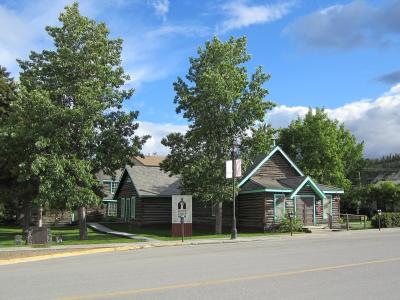
Whitehorse · Architecture
Christ Church Cathedral
Anglican cathedral in downtown Whitehorse
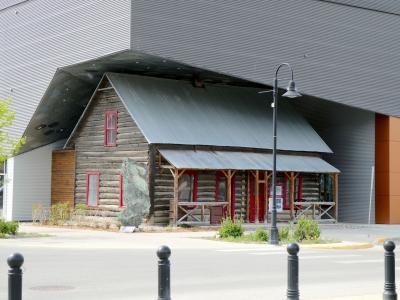
Whitehorse · History & Heritage
MacBride Museum of Yukon History
Yukon history, First Nations, and gold rush artifacts
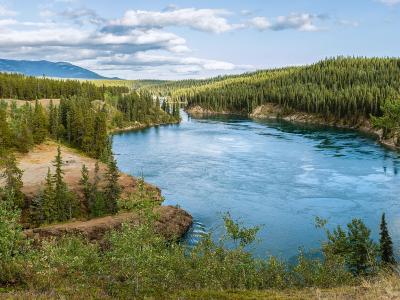
Whitehorse · History & Heritage
Miles Canyon
Historic Gold Rush canyon with basalt cliffs
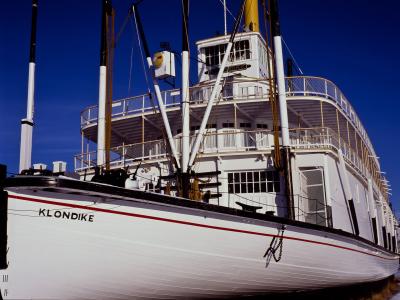
Whitehorse · Coastal & Maritime
SS Klondike National Historic Site
Historic sternwheel steamboat on the Yukon River
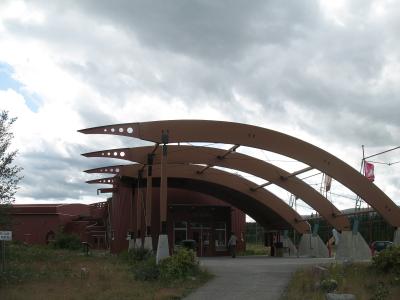
Whitehorse · Educational Sites
Yukon Beringia Interpretive Centre
Ice Age exhibit on Beringia land bridge
Stories and tips
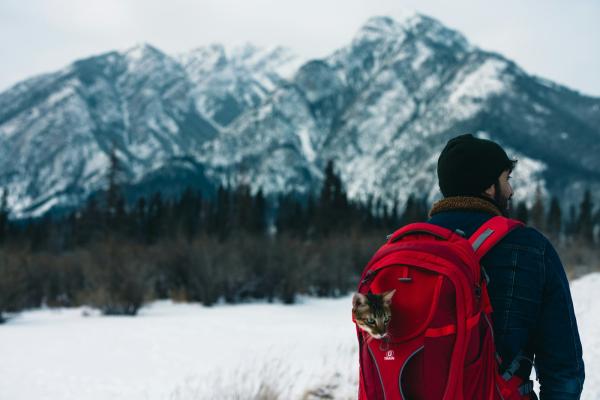
· 5 min read
Canada Winter Packing List: What to Wear and Bring for the Cold
A practical packing list for a Canadian winter trip: how to layer, what to wear on your hands, feet and face, and the extras that matter for city breaks, ski trips and road trips.
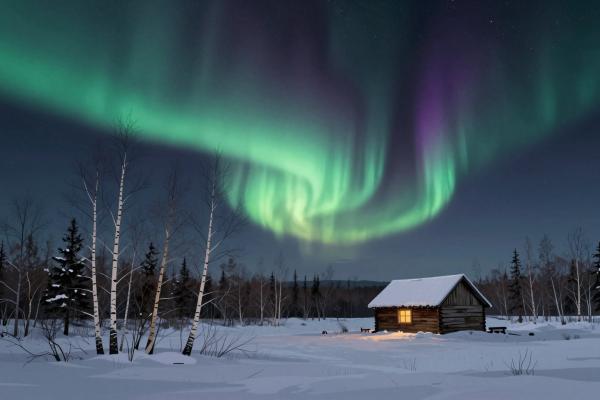
· 4 min read
Seeing the Northern Lights in Whitehorse, Yukon
When and how to see the aurora borealis around Whitehorse, from the August to April season and late-night timing to forecasts, cold-weather gear and tours.