
Overview
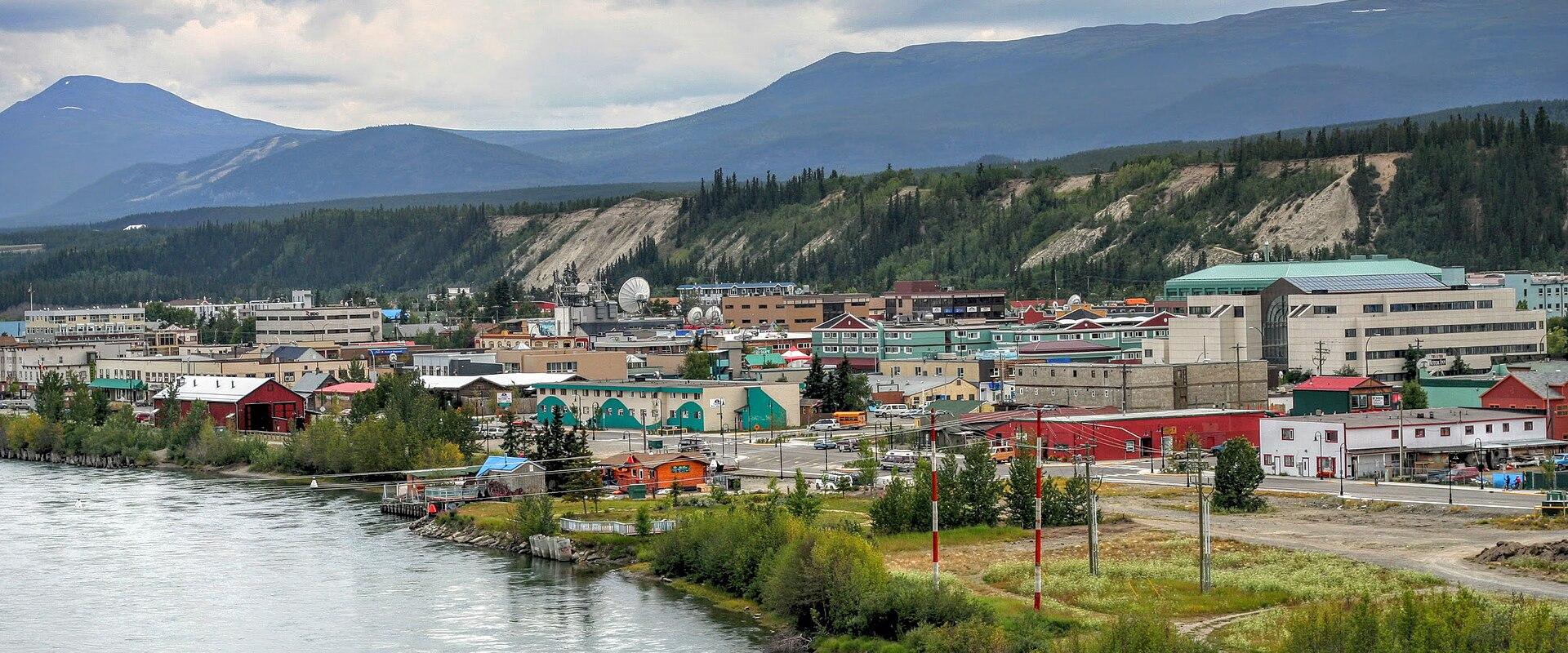
Whitehorse combines the services of a territorial capital with immediate access to trails, rivers, and northern landscapes. The Kwanlin Dun Cultural Centre, MacBride Museum, Yukon Arts Centre, and the S.S. Klondike introduce different parts of the territory's living cultures and history, and each can be visited on foot within a day. The Yukon River runs through the city, and the waterfront trail provides an accessible introduction before longer road or backcountry trips. About three quarters of the territory's residents live here, so the city has the widest choice of restaurants, outfitters, and lodging in Yukon.
River, Gold Rush, and History
The river is the thread that ties the city together. During the Klondike gold rush, stampeders floated down the Yukon from the headwaters, and the rapids at Miles Canyon were dangerous enough that the settlement at Whitehorse developed as a place to portage or hire a pilot. Later, sternwheelers carried freight and passengers along the river for decades, and the S.S. Klondike National Historic Site preserves one of these vessels on the riverbank, with exhibits on how cargo and crews moved along the route. The MacBride Museum of Yukon History fills in the wider story with collections on the gold rush, the Indigenous peoples of the region, and the early settlers who built the town.
Culture and Indigenous Heritage
The Kwanlin Dun Cultural Centre is a good place to learn about the Kwanlin Dun First Nation and the Ta'an Kwach'an Council, on whose traditional territory the city stands, and it hosts exhibits, performances, and events along the river. The Yukon Arts Centre presents theatre, music, and gallery shows, and small galleries downtown show work by northern artists. Christ Church Cathedral, a small Anglican church in the city centre, is one of the older buildings in the area and a reminder of the early town. The Yukon Beringia Interpretive Centre, at the junction of the Alaska and Elliott Highways, explains the ice age landscape of Beringia through displays of mammoths and other extinct animals.
Outdoors Near the City
Miles Canyon, a short drive or ride from downtown, is a narrow gorge of dark basalt walls where the Yukon River squeezes through, and a suspension bridge across the canyon is a popular walking route. The Millennium Trail follows the river through the city for easy walks and cycling. Beyond town, the Southern Lakes, including Lake Laberge, offer paddling and fishing, while winter brings cross-country skiing, snowshoeing, and aurora viewing. Local operators run canoe trips, wildlife viewing outings, and dog sled experiences, and the Yukon Wildlife Preserve, a short drive from town, shows northern animals such as muskoxen, caribou, and Canada lynx in large enclosures. Hot springs near the city are popular after a day outside in the colder months.
Planning a Visit
Whitehorse has Yukon's principal airport and is connected to the Alaska Highway. Summer offers long daylight and the broadest range of road and outdoor activities. Autumn and winter bring colder conditions and aurora-viewing opportunities. Travelers continuing beyond the city should verify road, wildfire, and weather information and plan fuel and accommodation in advance. Rental vehicles and campervans are common, and booking ahead in July and August is wise.
Best time to visit
June through September offers long daylight and the broadest access; winter requires cold-weather preparation.
What to see in Whitehorse
Our picks first.
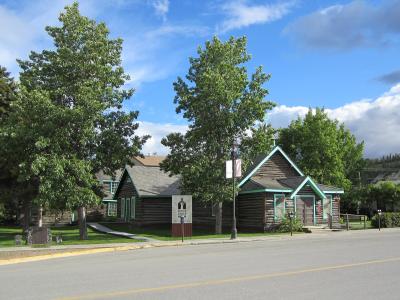
Christ Church Cathedral
Anglican cathedral in downtown Whitehorse
Architecture · Churches
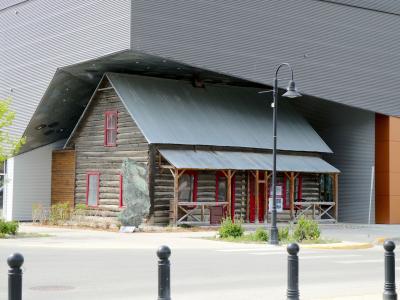
MacBride Museum of Yukon History
Yukon history, First Nations, and gold rush artifacts
History & Heritage
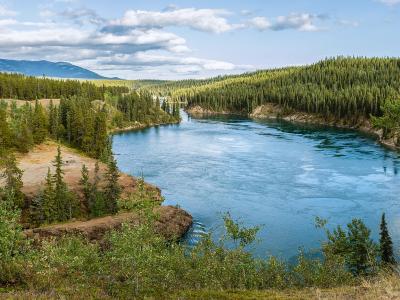
Miles Canyon
Historic Gold Rush canyon with basalt cliffs
Free History & Heritage · Natural Wonders
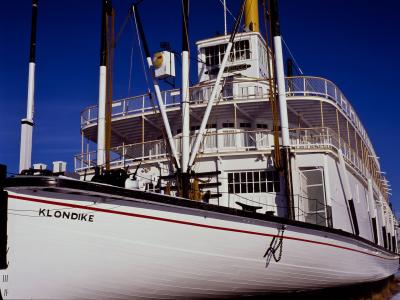
SS Klondike National Historic Site
Historic sternwheel steamboat on the Yukon River
Coastal & Maritime
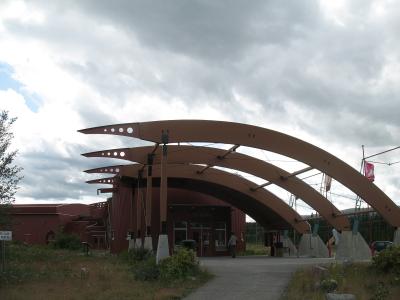
Yukon Beringia Interpretive Centre
Ice Age exhibit on Beringia land bridge
Educational Sites · Museums
Whitehorse by interest
The same sights, grouped by what you came for.
Did you know?
Checked facts about Whitehorse, each with its source.
-
Name Origin
Named for White Horse Rapids
The city of Whitehorse takes its name from the White Horse Rapids on the Yukon River, a feature named for the white, foamy water that resembles the manes of charging horses.
Source: en.wikipedia.org
Planning a visit to Whitehorse
Good to know
- Currency
- CAD
- Language
- English