- Hours
- Open Saturday, Sunday, and Monday from 12:00 pm to 5:00 pm (October 2025 to April 2026).
- Where
- Whitehorse, Yukon
- Directions
- Directions
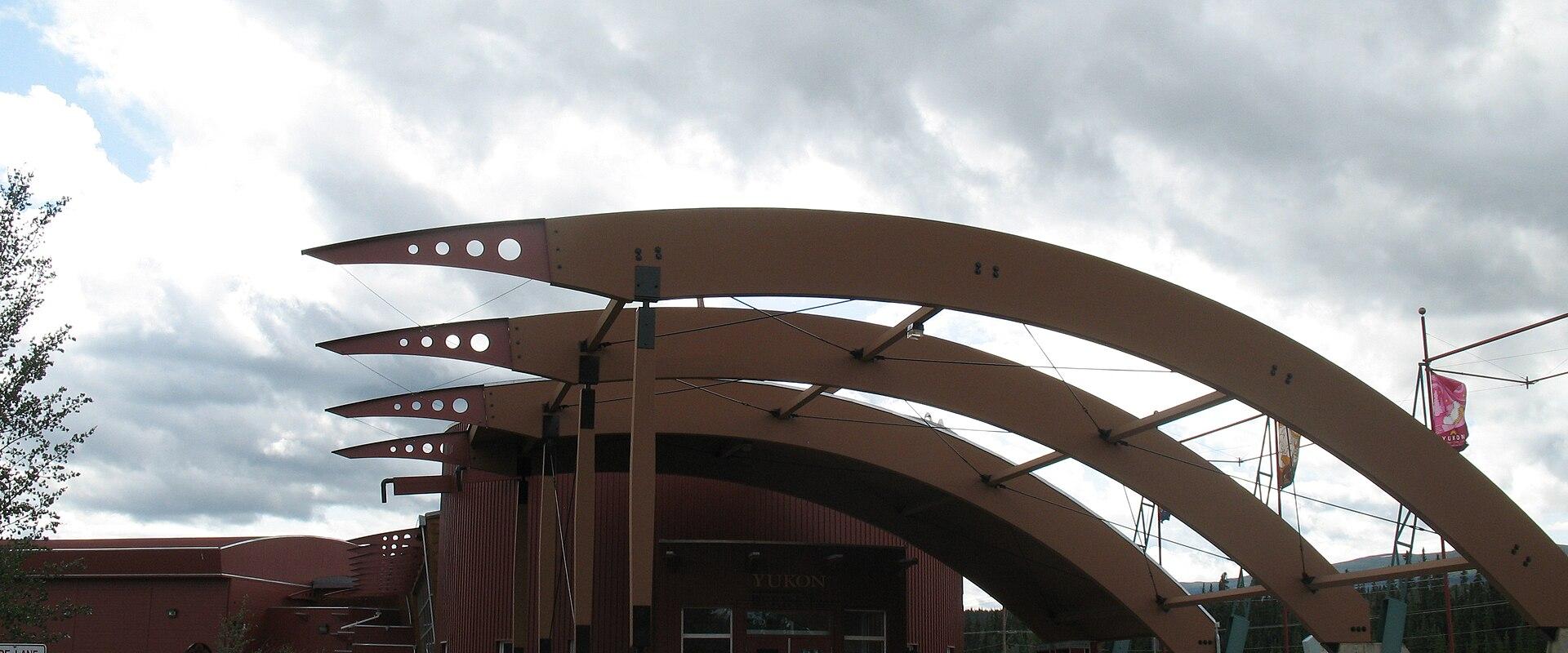
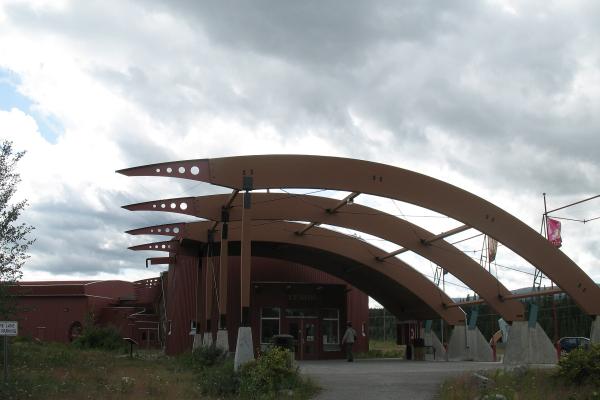
Twenty thousand years ago, a vast, cold, dry grassland stretched from the Yukon across what is now the Bering Sea to Siberia, and woolly mammoths, giant beavers and scimitar cats roamed it. That lost world is called Beringia, and the Yukon Beringia Interpretive Centre in Whitehorse is dedicated to it. The centre stands at Kilometre 1423 of the Alaska Highway, close to the Whitehorse airport, and it is run by the Government of Yukon as a museum of the Ice Age in the North.
Beringia was the land that connected Asia and North America when sea levels fell during the last glaciation, because so much water was locked in the great ice sheets. Unlike most of Canada, central Yukon and Alaska were never covered by ice, since the climate was too dry for snow to accumulate. Instead, they formed a refuge of steppe-tundra, where grasses and sedges fed herds of mammoths, steppe bison, horses, caribou and muskoxen, hunted in turn by short-faced bears, wolves and cats. The same corridor is thought to have been the route by which the first people reached the Americas, and the story of how human beings spread across the continent is part of the exhibition.
The centre brings the period to life with large exhibits. Life-sized skeletons and replicas, among them a giant beaver the size of a black bear, a steppe bison and a mammoth, stand in the main hall, giving a sense of the scale of these animals. Murals, dioramas and films reconstruct the environment, and displays show fossils, tools and other items found in Yukon permafrost and goldfields, where miners have uncovered mammoth tusks and frozen remains of Ice Age animals for over a century. Panels explain how scientists use pollen, ancient DNA and bones to piece together the climate and ecology, and First Nations stories and perspectives give an Indigenous view of the same long history.
Visitors will find the centre easy to reach by car or taxi and is a convenient stop for travellers arriving or leaving Whitehorse. Opening days and hours change with the season and may be reduced in winter, so check the Government of Yukon website. It is a good choice for families, particularly on a cold or wet day, and takes about an hour.
Whitehorse's other sights, including the MacBride Museum, the SS Klondike and Miles Canyon, are a short drive away.
Categories
More photos coming soon
Opening Hours
- Open
- Open Saturday, Sunday, and Monday from 12:00 pm to 5:00 pm (October 2025 to April 2026).
Hours and prices change, especially out of season. Check with the venue before you go.
Nearby Attractions
Other places to visit in Whitehorse
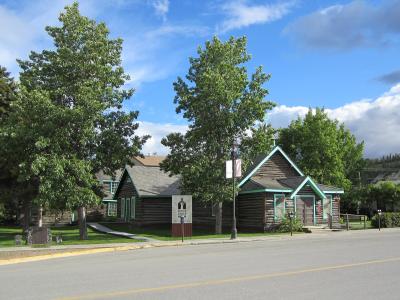
Christ Church Cathedral
Anglican cathedral in downtown Whitehorse
Architecture · Churches
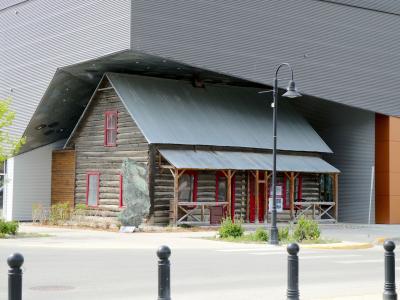
MacBride Museum of Yukon History
Yukon history, First Nations, and gold rush artifacts
History & Heritage
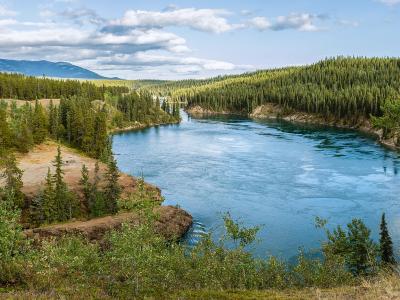
Miles Canyon
Historic Gold Rush canyon with basalt cliffs
Free History & Heritage · Natural Wonders
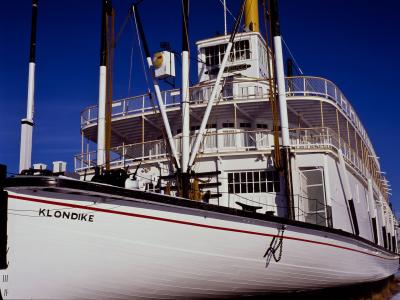
SS Klondike National Historic Site
Historic sternwheel steamboat on the Yukon River
Coastal & Maritime
Questions people ask
Quick Facts
Best Time to Visit
June through September offers long daylight and the broadest access; winter requires cold-weather preparation.