





- Admission
- Free entry
- Hours
- Open all day
- Where
- Old Québec, Quebec
- Directions
- Directions
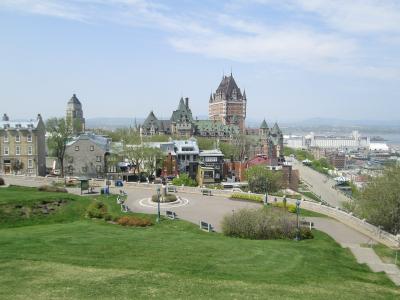
Place Royale is the small, cobbled square in Quebec City’s Lower Town where French settlement in North America began. In 1608, Samuel de Champlain built his habitation, a small fortified settlement, on this narrow strip of land between the cliff and the St. Lawrence River, and from that base the colony of Nouvelle-France grew. Over the following centuries the square became the commercial centre of the colony, lined with the stone houses and warehouses of merchants. It is now one of the best-preserved historic squares in Old Québec, and part of a UNESCO World Heritage district.
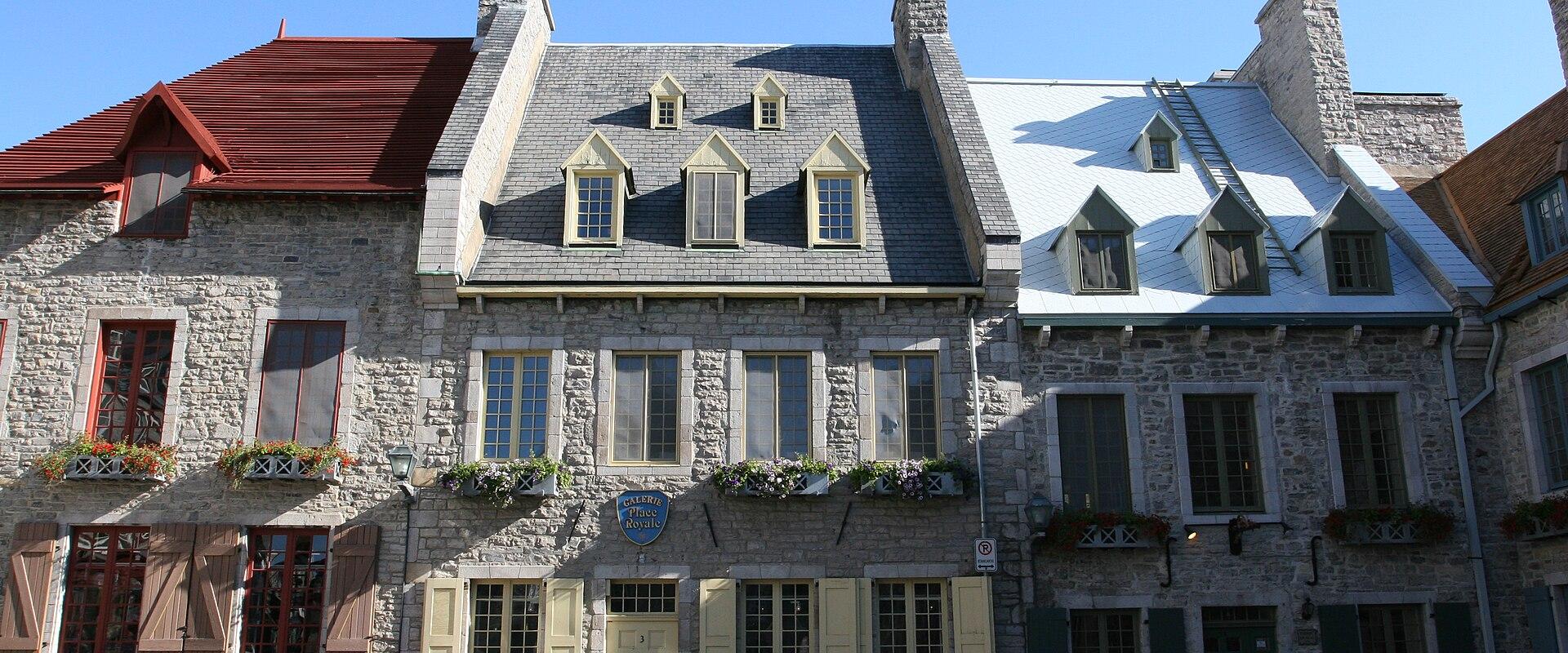
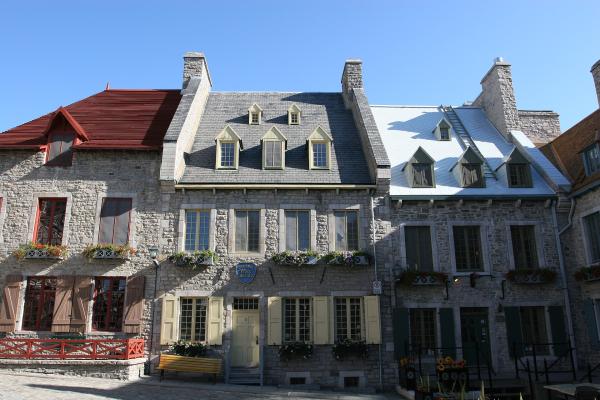
The square is surrounded by steep-roofed stone houses dating from the seventeenth and eighteenth centuries, many rebuilt after the bombardment of 1759 and later restored. Their thick walls, dormer windows and tall chimneys reflect the French building tradition adapted to the Canadian climate. In the middle of the square stands a bronze bust of Louis XIV, a gift from France in the twentieth century, a reminder of the king who supported the colony. The area was neglected for long periods, and a major restoration in the second half of the twentieth century brought the buildings back to their present condition.
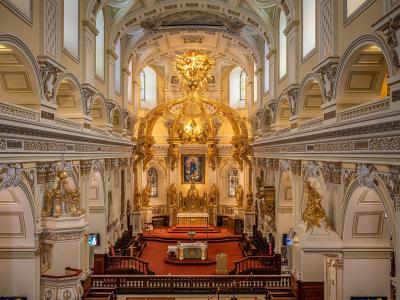
On the side of the square stands Notre-Dame-des-Victoires, one of the oldest stone churches in North America, built in 1688 on the site of Champlain’s settlement. Its name commemorates French victories against English attacks in the early years of the colony, and the plain stone exterior hides a richly decorated interior with a ship model hanging from the ceiling as a votive offering. Nearby, on the side of a building in the Petit-Champlain area, the Fresque des Québécois, a large mural, depicts figures from four centuries of Quebec’s history, and it is a popular spot for photographs.
Beneath the cobblestones, archaeologists have uncovered traces of the Indigenous, French and British presence on the site, and the Place-Royale Interpretation Centre displays some of the finds and explains the story of the square. In the warmer months, street performers and concerts animate the space, and cafes and restaurants set up terraces around it.
The square is easy to reach on foot. A funicular drops from the Dufferin Terrace to the Lower Town, and the streets of the Quartier Petit-Champlain begin just beyond the square. Entry is free and the square is open all day. Visitors who enjoy history will like it, and it suits photographers and anyone who wants to feel the early days of the colony. Allow an hour to walk the square, see the church and the mural, and have a coffee, and visit in the early morning or evening for the best light and the fewest crowds.
Categories
More photos coming soon
Hours & Fees
- Open
- Open all day
- Admission
- Free entry
Hours and prices change, especially out of season. Check with the venue before you go.
Nearby Attractions
Other places to visit in Old Québec

Questions people ask
Quick Facts
Best Time to Visit
June through September offers warm weather ideal for exploring the historic district.