







- Where
- Lunenburg, Nova Scotia
- Directions
- Directions
Lunenburg was designed on paper before a single house was built, and the plan still shapes the town. In 1753 the British Crown sent roughly 1,400 settlers, mostly foreign Protestants from Germany, Switzerland and France, to found a new community on the South Shore of Nova Scotia, and surveyors laid out a neat grid of streets climbing a hill from the harbour, with blocks and lots allotted in advance. That pattern survives almost unchanged, and it is one of the reasons Old Town Lunenburg was named a UNESCO World Heritage Site in 1995, one of only two urban areas in North America with the designation, the other being Old Quebec.
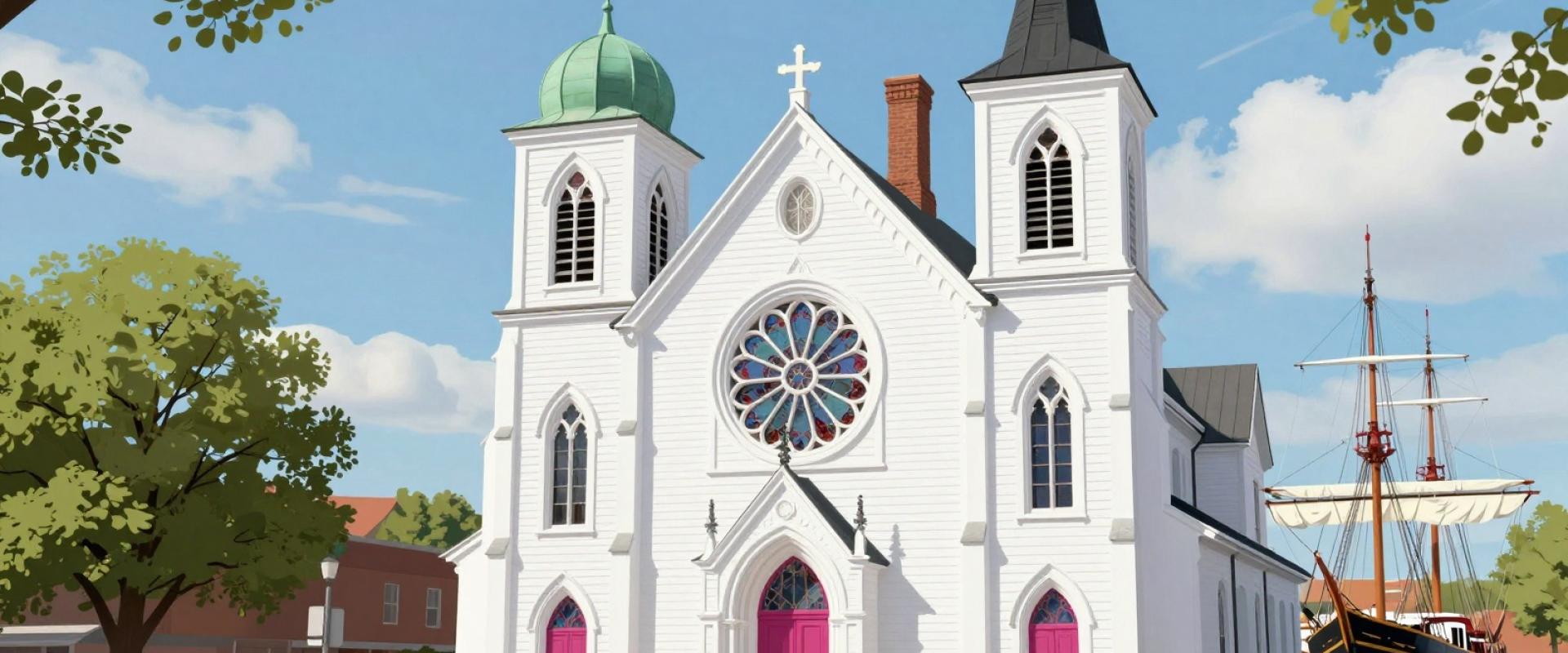
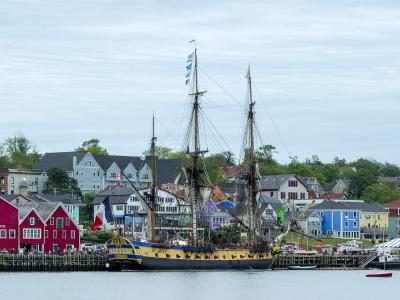
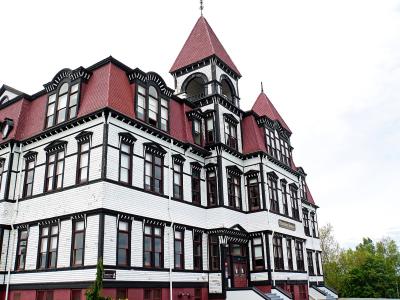
The Lunenburg Town Square area is a compact district of open spaces and public buildings in the upper part of the grid, with the main shopping streets running down toward the water. Houses, shops and churches are built of wood, painted in a bright palette of reds, yellows, blues and greens, and many have a gently sloping roof and a dormer over the front door, the feature known as the Lunenburg Bump. The effect is a street scene of unusual richness, a streetscape that has been carefully looked after by residents and heritage groups. Landmarks within a short walk include Zion Lutheran Church, St. John's Anglican Church with its tall spire, and the Lunenburg Academy on its hilltop, a many-windowed wooden school building from 1895.
The land has a longer story. Lunenburg lies in Mi’kma’ki, the traditional territory of the Mi’kmaq, who lived and travelled along this coast for thousands of years before the settlers arrived. The settlers brought their own traditions, including the shipbuilding and fishing that made the town prosperous.
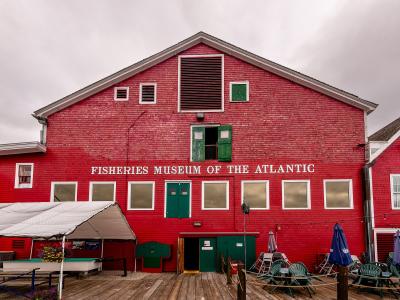
Visitors often use the centre as a starting point for a self-guided walking tour. The layout is compact, so the museums, galleries, restaurants and shops are all within easy walking distance, and signs and maps help orient new arrivals. The waterfront lies at the bottom of the hill, with the Fisheries Museum of the Atlantic and the schooner Bluenose II when she is in port.
Summer is the busiest season, with festivals and markets, while autumn brings quiet streets and colour. The town works well as a base for day trips along the South Shore, to Mahone Bay, Peggy's Cove and the beaches near Bridgewater. Wear comfortable shoes, since the streets slope steeply.
Categories

More photos coming soon
Nearby Attractions
Other places to visit in Lunenburg

Questions people ask
Quick Facts
Best Time to Visit
May to October for mild weather and full access to sailing tours and outdoor attractions.