

Labrador Region
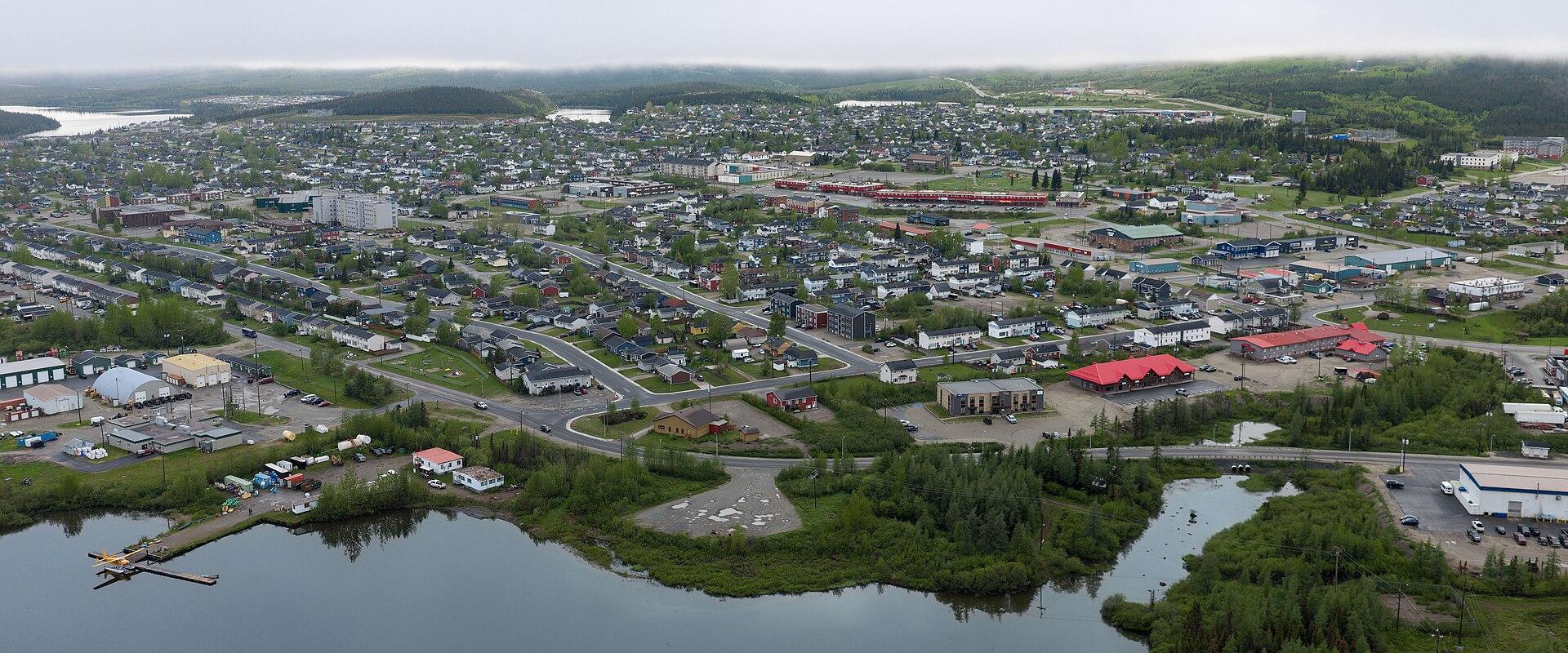
Remote mainland communities and northern coastal landscapes
History
The history of Labrador is a tapestry woven from the ancient traditions of its Indigenous inhabitants and the more recent influences of European exploration. The Innu and Inuit peoples have called this land home for thousands of years, developing a deep, spiritual connection to the environment that defines their cultural identity. This ancient heritage is rooted in a way of life that has adapted to the harsh but beautiful Arctic and sub-Arctic conditions. The arrival of European explorers, particularly the Basque whalers in the 16th century, introduced new dynamics to the region. The historic town of Red Bay, a UNESCO World Heritage Site, stands as a testament to this era, preserving the legacy of the Basque whaling industry that once thrived in the area. This blend of ancient Indigenous traditions and colonial history creates a unique cultural landscape that is central to the region's identity.
Main Attractions
The primary attraction in Labrador is its vast, untamed wilderness, which offers a pristine and immersive natural experience. The Torngat Mountains, located in the north, provide a dramatic landscape of rugged peaks and glaciers, offering a sense of isolation and grandeur that is rare to find. The region is home to diverse wildlife, including the world’s largest carib herd, polar bears, and Arctic wolves. For those seeking a more grounded experience, the historic town of Battle Harbor offers a glimpse into the past, with its well-preserved colonial architecture and maritime heritage. These sites, combined with the natural beauty of the landscape, offer a unique opportunity to connect with the raw power of nature.
Activities
Visitors to Labrador can engage in a variety of activities that highlight the region's natural beauty and rugged character. Hiking and kayaking are popular choices, allowing visitors to explore the diverse landscapes, from dense boreal forests to rugged coastlines. The region is also ideal for wildlife viewing, with opportunities to see polar bears, caribou, and various bird species. In the winter, the landscape transforms into a winter wonderland, offering opportunities for snowmobiling and ice fishing. The experience is one of immersion in the wild, where the silence of the landscape is broken only by the sounds of nature.
Getting There
Access to Labrador is primarily by air, as the region is remote and road access is limited. The most common way to reach the region is by flying into major airports such as Happy Valley-Goose Bay, which serves as a hub for regional travel. From there, visitors can take smaller regional flights or drive to specific destinations. For those traveling by road, the Labrador Highway provides access to many communities, but travel can be slow and requires careful planning. It is essential to check road conditions and weather forecasts, as conditions can change rapidly in the north.
Best Time to Visit
The best time to visit Labrador is during the summer months, from June to September. During this time, the weather is mild and pleasant, with long daylight hours that allow for extended exploration. The summer months are also the best time for outdoor activities such as hiking, fishing, and wildlife viewing. While the winter months offer unique experiences such as snowmobiling and viewing the Northern Lights, the summer months provide the most accessible and comfortable conditions for exploring the region.
Best time to visit
May through October offers mild weather ideal for outdoor exploration.
What to see in Labrador Region
Our picks first.
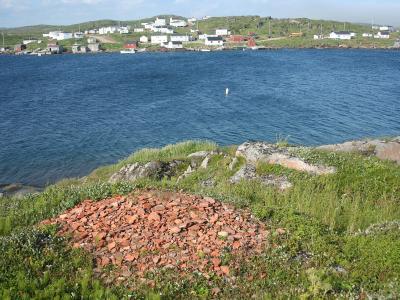
Red Bay Basque Whaling Station
16th-century Basque whaling station
Coastal & Maritime · History & Heritage
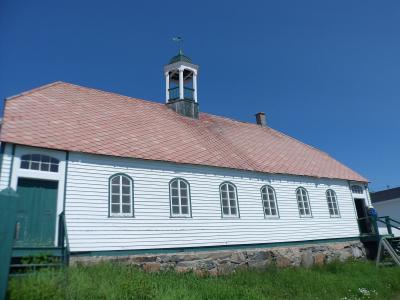
Hopedale Mission
Coastal & Maritime · Culture & Leisure
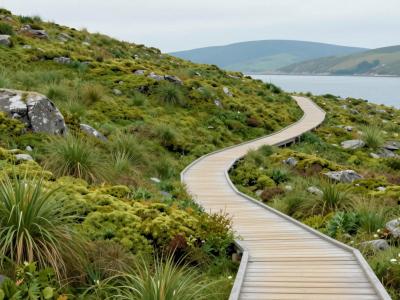
Labrador Iceberg Alley
Free Coastal & Maritime · Natural Wonders
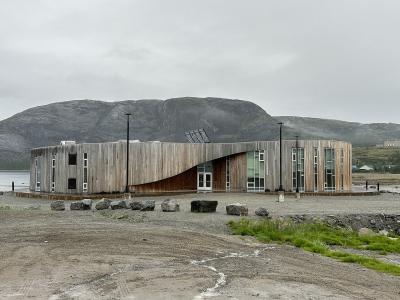
Torngat Mountains National Park
Natural Wonders · Guided Tours
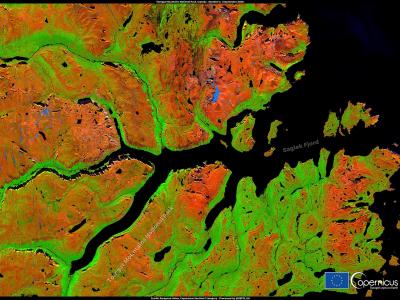
Saglek Fjord
Coastal & Maritime · Natural Wonders
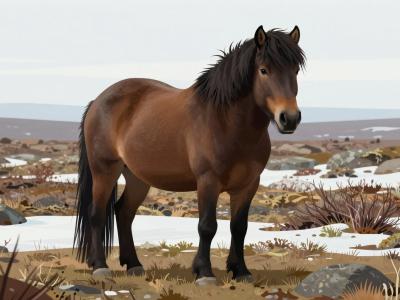
Labrador Wild Horse Sanctuary
Wild horse sanctuary in Labrador, Canada
Wildlife Areas
Labrador Region by interest
The same sights, grouped by what you came for.
Did you know?
Checked facts about Labrador Region, each with its source.
-
Film & TV
Netflix's 'Below' Filmed in Labrador
The Netflix series 'Below' (2026) filmed its primary scenes and production headquarters in St. John's, Newfoundland and Labrador, with additional shooting in coastal communities including Pouch Cove, Bay Bulls, Brigus South, Harbour Main, and Twillingate.
Source: www.highonfilms.com
Planning a visit to Labrador Region
Itineraries that include Labrador Region
Good to know
- Currency
- CAD
- Language
- English