

Labrador Iceberg Alley
- Admission
- Free
- Hours
- Open 24 hours (outdoor wilderness area)
- Where
- Labrador Region, Newfoundland and Labrador
- Directions
- Directions
Iceberg Alley is the name given to the stretch of ocean off the Labrador and Newfoundland coasts where icebergs from Greenland drift south on the cold Labrador Current each spring and early summer. The icebergs begin as glacier ice, calved from the fast-moving glaciers of western Greenland, and the snow that formed them fell many thousands of years ago. Once afloat, they travel slowly south for a year or more, melting and breaking apart, and some pass close to the Labrador coast on their way toward the open Atlantic. In Labrador, the best viewing is from coastal communities in the south and along the northern shore, rather than from inland places such as Happy Valley-Goose Bay.
An iceberg is something one needs to see in person. Only about a tenth of its mass shows above the surface, and what you see are towers, arches, cliffs and sloping shelves, often in white and deep blue that shift with the light. Some icebergs are small, no larger than a house, and others rise as tall as a multi-storey building. When they crack or roll, the noise carries across the water, and the waves can be large, so boats should always keep a safe distance. The ice is very cold, and it chills the air around it, so coastal communities can feel the temperature drop when a large berg drifts close.
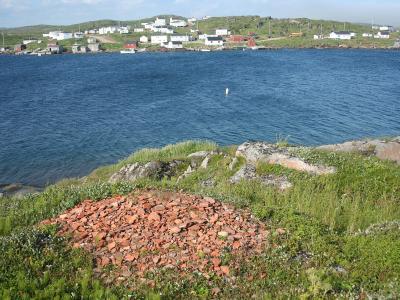
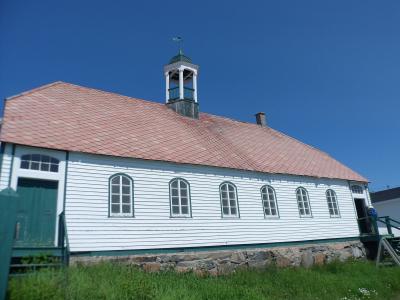
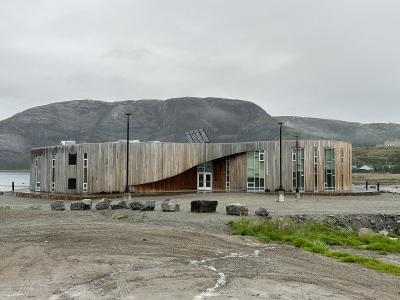
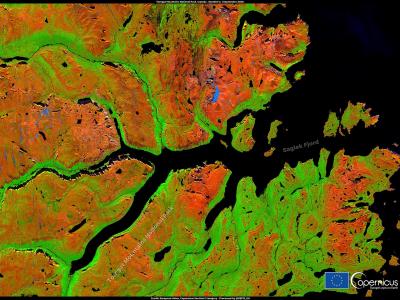
Labrador is a remote region, and the experience of the alley here is different from the better-known viewing spots on the island of Newfoundland. The Trans-Labrador Highway runs through the interior and along the south coast, and travel to many coastal settlements still needs boats or small aircraft. Battle Harbour, a restored fishing community reached by ferry from Mary’s Harbour, offers a historic base from which to watch the ice, and communities along the Labrador Straits have good views from the shore. In the far north, Torngat Mountains National Park is a wild, roadless region where polar bears are present and the Inuit homeland of Nunatsiavut lies close by, though visiting there requires planning and a guided expedition.
The season is short. Icebergs are most common from spring into early summer, with the peak varying from year to year, and the weather is cold, often foggy and windy. In June and July, blackflies and mosquitoes become a nuisance onshore. Visitors should dress warmly in layers, carry waterproofs and plan flexible itineraries, since weather and ice conditions change fast. Aurora displays are possible on clear nights in the right season.
The experience suits adventurous travellers who are comfortable with remote places. Local operators run boat tours in some communities, which give safer, closer views than shore alone, and visiting a museum or heritage site in the region adds context about the people who have lived with the ice and sea for thousands of years.
Categories
More photos coming soon
Hours & Fees
- Open
- Open 24 hours (outdoor wilderness area)
- Admission
- Free
Hours and prices change, especially out of season. Check with the venue before you go.
Nearby Attractions
Other places to visit in Labrador Region
Questions people ask
Quick Facts
Best Time to Visit
May through October offers mild weather ideal for outdoor exploration.