

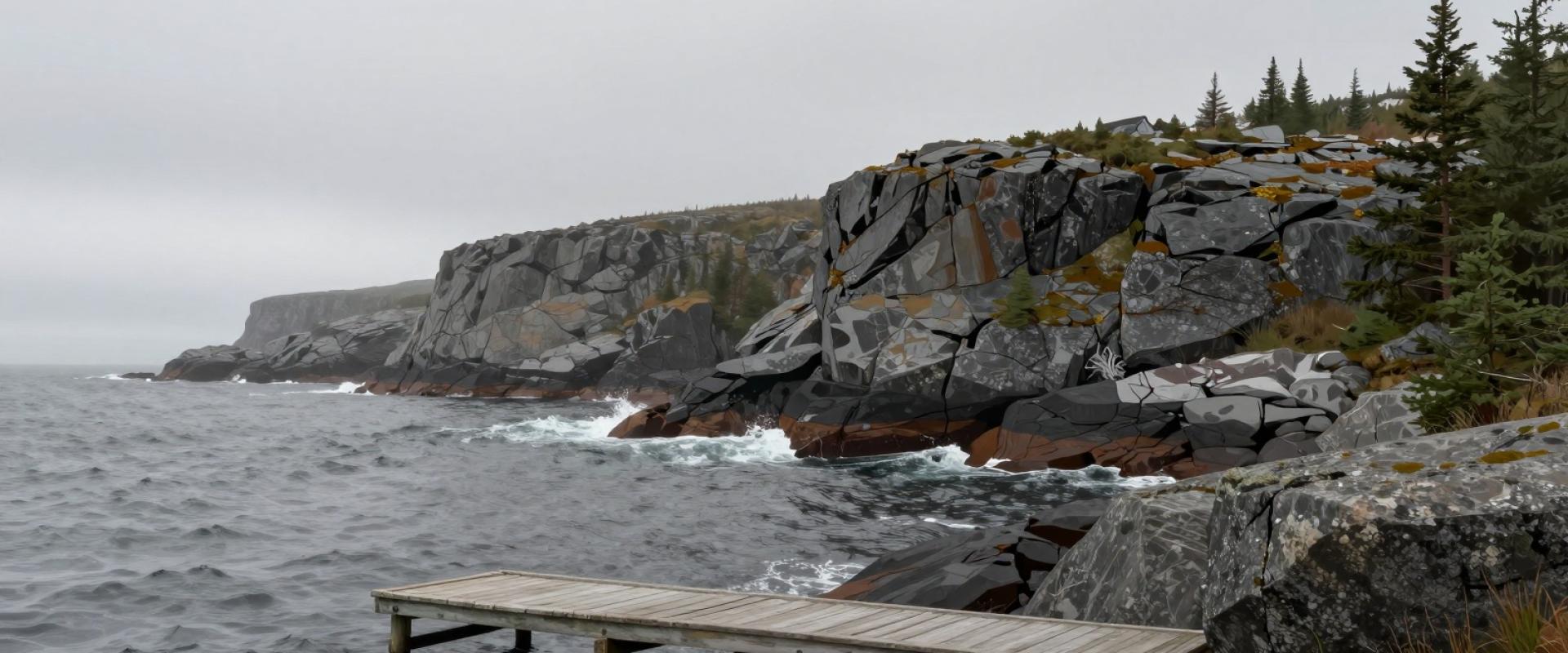
AI-generated illustration
3-day itinerary
Extended Labrador Experience
3-day general exploration of Labrador
- Length
- 3 days
- Pace
- Moderate
- Estimated cost
- CA$180 per person
- Based in
- Labrador Region
Practical information
Labrador’s climate is subarctic, making late June through early September the optimal window for an extended trip. During these months, temperatures typically range from 10°C to 20°C, offering mild conditions for hiking and wildlife viewing. However, weather is highly volatile; fog, rain, and sudden temperature drops are common even in summer. Winter visits are possible but require specialized gear and experience due to extreme cold and limited daylight. Spring (May) can be muddy and wet, while autumn brings crisp air and potential snowfall by October.
Transportation is the primary logistical challenge. Labrador is vast and remote, with no direct commercial flights to most interior towns. Most visitors fly into St. John’s, Newfoundland, and take a connecting flight to Happy Valley-Goose Bay, the region’s transportation hub. From there, renting a vehicle is essential for exploring. The Trans-Labrador Highway (Route 500) is the main artery, but many attractions require driving on gravel roads. Ensure your rental car is suitable for unpaved surfaces, and book well in advance, as inventory is limited. Public transportation is virtually non-existent outside of Goose Bay.
Accommodation options are sparse and book quickly. Goose Bay offers the widest selection of hotels and motels, serving as a convenient base for day trips. For deeper exploration, consider staying in smaller communities like Cartwright, Nain, or Happy Valley-Goose Bay’s outskirts, where guesthouses and B&Bs provide more authentic experiences. Camping is a popular and cost-effective alternative, particularly along the coast, but requires self-sufficiency as facilities are minimal. Always confirm availability directly with providers, as online booking systems are not universally used.
Budgeting for Labrador requires flexibility. Costs for fuel, groceries, and lodging are significantly higher than in southern Canada due to transportation expenses. Meals at local restaurants can be pricey, so consider self-catering where possible. Entry fees for provincial parks and certain attractions are modest, but guided tours for activities like whale watching or icebergs add substantial cost. Bring a comprehensive first-aid kit, sturdy waterproof hiking boots, layered clothing, and insect repellent, as mosquitoes can be intense in summer. Carry extra fuel, snacks, and emergency supplies, as services are distant. Finally, respect Indigenous lands and customs, particularly when visiting Inuit communities in Nunatsiavut, by seeking permission before entering private property or taking photographs.