

Saglek Fjord
- Where
- Labrador Region, Newfoundland and Labrador
- Directions
- Directions
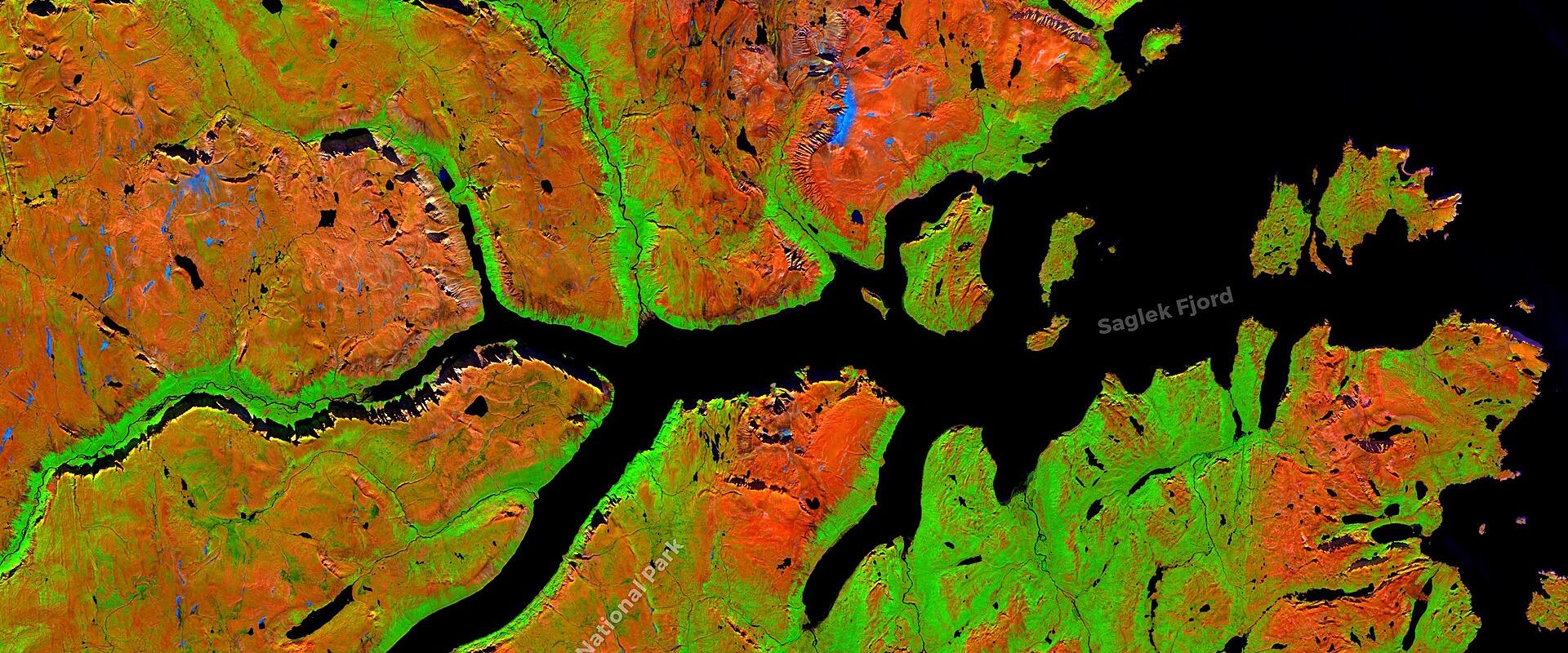
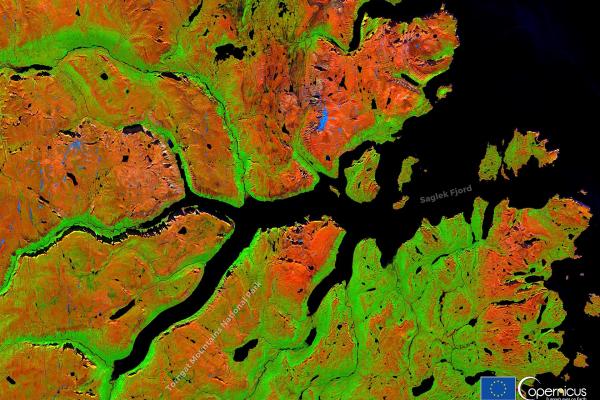
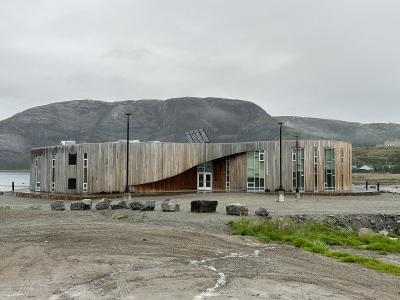
Saglek Fjord is a long, deep inlet on the northern Labrador coast, one of the wildest places in Canada, and it is the main gateway to Torngat Mountains National Park. Cliffs of dark, ancient rock rise steeply from the cold water, and the walls of the fjord climb to peaks that are often capped with cloud. At its inner end the fjord splits into arms, and the North Arm is the site of the Torngat Mountains Base Camp and Research Station, where most visitors to the park first set foot on land. Many sources refer to the wider inlet as Saglek Bay, and the Inuit place name for the fjord is Kangidluasuk.
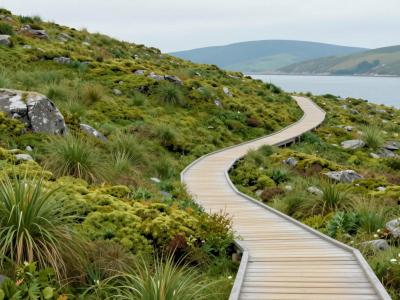
The setting is spectacular and very quiet. Tundra, bare rock and low shrubs cover the hillsides, with small stands of stunted trees tucked into sheltered valleys at the head of the fjord, and the water below is dark, clear and extremely cold. The geology is remarkable. The rocks around Saglek are part of some of the oldest on the planet, formed nearly four billion years ago, and the layered, folded walls of the fjord show the age at a glance. Glacial ice carved the valleys, and rivers still bring meltwater to the sea.
Wildlife is plentiful. Polar bears hunt along the shore, and caribou, arctic foxes, seals and seabirds are common, while whales may be seen from boats. The coast is also known for icebergs that drift down from Greenland, adding to the sense of being at the edge of the Arctic. Because of the bears, visitors stay with Inuit guides who carry deterrents and keep watch, and walks are guided rather than independent.
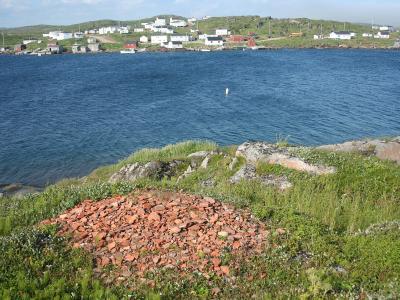
The fjord also holds a long record of human use. Inuit and earlier peoples hunted and fished here for thousands of years, and archaeological sites, tent rings and graves line the shore. Inuit hosts at the base camp tell the stories of the place, share traditional food and take guests on boat trips up the fjord and walks into the valleys, so the landscape is understood through the people who know it best.
There are no roads, and the fjord is reached by charter aircraft or by boat, usually through an organised trip. Visitors should expect to plan well in advance, pack for cold and wet weather even in midsummer and be prepared to change plans if fog or wind closes in. The window for visiting is short, in the summer months. It suits adventurous travellers, photographers and anyone drawn by deep wilderness, geology and Inuit culture, and it is best seen as part of a multi-day stay in the park.
Categories
More photos coming soon
Nearby Attractions
Other places to visit in Labrador Region
Questions people ask
Quick Facts
Best Time to Visit
May through October offers mild weather ideal for outdoor exploration.