


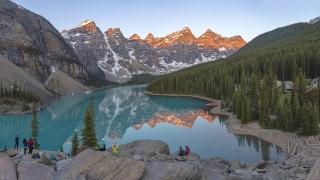

3-day itinerary
Extended Vancouver Experience
3-day overview of Vancouver's urban and natural highlights
- Length
- 3 days
- Pace
- Moderate
- Estimated cost
- CA$180 per person
- Based in
- Vancouver
Practical information
Vancouver is accessible year-round, but weather varies significantly by season. Summer offers the most reliable sunshine and warm temperatures, ideal for outdoor activities, while winter brings rain and potential snow, particularly in the mountains. Spring and fall provide mild conditions with fewer crowds, though rain is possible. Regardless of the season, layers are essential due to unpredictable weather shifts.
Getting to Vancouver is straightforward via Vancouver International Airport (YVR), which connects globally. From the airport, the Skytrain’s Canada Line offers a swift 25-minute ride to downtown Vancouver Waterfront, with tickets available at platform machines based on travel zones. Alternatively, travelers from Seattle can take the Amtrak Cascades or Bolt Bus to Pacific Central Station. Once in the city, a car-free approach is highly recommended. Vancouver’s public transit system, including buses and Skytrain, is efficient and extensive. Traffic congestion is severe, and parking is expensive and scarce, making walking, cycling, or using transit the most practical ways to navigate the compact downtown core and surrounding neighborhoods.
For accommodation, staying in downtown Vancouver or the adjacent Yaletown area maximizes walkability to major attractions, restaurants, and transit hubs. While specific hotel recommendations vary, prioritizing locations near Skytrain stations ensures easy access to sites like Stanley Park, Gastown, and Granville Island.
Budget considerations should account for Vancouver’s high cost of living. While many top attractions, such as Stanley Park and hiking trails, are free, dining and guided tours can be pricey. The itinerary emphasizes low-cost activities, but visitors should budget for meals, which range from affordable food trucks to high-end restaurants. Public transit fares are relatively affordable, but daily passes may offer better value for heavy users.
Pack versatile clothing suitable for variable weather, including waterproof jackets, comfortable walking shoes, and layers for temperature changes. If visiting in winter, bring warm accessories. For summer, sunscreen and hats are advisable. Essential items include a reusable water bottle, as tap water is safe and high-quality, and a power adapter if traveling from outside North America.
Key tips include booking popular attractions like the Sea to Sky Gondola in advance, especially during peak seasons. Respect local customs and environmental guidelines, particularly in natural areas. Finally, familiarize yourself with transit maps and apps to navigate efficiently, and consider purchasing a Compass Card for seamless travel across the region’s transit systems.