





Discovering Quebec City

One-day exploration of historic Quebec City

1 day Easy difficulty Est. €150

Day 1: The Historic Heart of Quebec

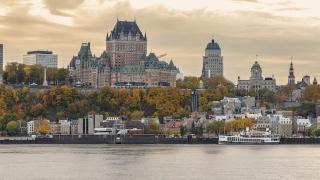
A comprehensive tour of Old Quebec (Vieux-Québec), exploring the iconic Château Frontenac, the historic Upper Town, and the charming Lower Town with its historic gates and harbor views.

  • 09:00

    Explore the Upper Town (Haute-Ville)

    Start your day at the top of the hill. Walk through the historic Upper Town, visiting the Place Royale area and the Notre-Dame-des-Victoires church. Admire the architecture of the Château Frontenac from the outside and the surrounding fortifications.

  • 10:30

    Walk the Dufferin Terrace

    Stroll along the famous Dufferin Terrace, a wide promenade offering stunning views of the St. Lawrence River. This is a perfect spot for photos and enjoying the fresh air.

  • 12:30

    Lunch at the Old Port

    Enjoy a traditional Quebec lunch, such as poutine or a tourtière, at one of the many cafes in the Lower Town near the port.

  • 14:00

    Explore Lower Town (Basse-Ville)

    Descend to the Lower Town via the historic Funicular (operating since 1879) or by foot. Explore the cobblestone streets, visit the Plains of Abraham if time permits, and see the statue of Samuel de Champlain.

  • 16:00

    Visit the Citadelle of Quebec

    Tour the official residence of the Canadian monarch and the garrison headquarters. Explore the grounds, the Royal 22e Regiment Museum, and enjoy the panoramic views of the city and river.

  • 18:00

    Dinner in Old Quebec

    End your day with a classic Quebec dinner, perhaps trying poutine, tourtière, or a traditional stew, in one of the historic restaurants in the Old Port area.

Meals: Breakfast at Upper Town Cafe , Lunch at Old Port Area , Dinner at Old Quebec

Where to stay: Stay in the Old Quebec (Vieux-Québec) or Old Port (Vieux-Port) area for easy access to the historic sites. The Fairmont Le Château Frontenac is a luxury option, while boutique hotels are available in the surrounding area.

Getting around: Most attractions in Old Quebec are within walking distance. The funicular is a convenient and historic way to travel between Upper and Lower Town. Taxis and Uber are also readily available.

Practical Information

Quebec City is best visited between May and October, when the weather is mild and suitable for walking the historic streets. While summer offers the most vibrant atmosphere, it also brings larger crowds. Winter provides a unique, festive experience with the Quebec Winter Carnival, but be prepared for extreme cold, snow, and ice, which can make walking challenging. Spring and autumn offer pleasant temperatures and fewer tourists, making them ideal for those who prefer cooler weather and quieter streets. Getting to Quebec City is straightforward via the Quebec City-Wylie Airport (YQB), located just 15 minutes from downtown. Major airlines offer direct flights from major Canadian and international hubs. Alternatively, driving is a popular option, with well-maintained highways connecting Quebec City to Montreal (approximately 2.5 hours) and other major centers. Once in the city, the historic Upper and Lower Towns are highly walkable, allowing visitors to explore the cobblestone streets on foot. For longer distances, the public transit system, RTC, is efficient and affordable. The historic funicular is also a unique and practical way to navigate the steep elevation change between the Upper and Lower Towns, operating daily with frequent intervals. Accommodation options are diverse, ranging from luxury hotels like the Fairmont Le Château Frontenac, which offers iconic views and historic charm, to boutique hotels and budget-friendly options in the Old Port and Saint-Roch neighborhoods. Staying in the historic district is recommended for first-time visitors to be within walking distance of major attractions. Budget considerations should account for the high cost of accommodation in the historic center, especially during peak seasons. Dining costs can vary, with local cafes and markets offering more affordable options compared to upscale restaurants. Many attractions, such as walking through the Old Town and visiting public squares, are free. However, museum entries, guided tours, and seasonal events like the Winter Carnival require additional budgeting. Pack comfortable walking shoes with good traction, as the cobblestone streets can be uneven and slippery, particularly in winter. Layered clothing is essential due to variable weather conditions. In winter, bring heavy coats, gloves, and thermal wear. In summer, light clothing and sun protection are advisable. Always carry a reusable water bottle and a small umbrella, as rain can occur unexpectedly. Important tips include booking accommodations and popular restaurants well in advance, especially during festivals. Learn a few basic French phrases, as while English is widely spoken in tourist areas, French is the primary language. Respect local customs and dress codes when visiting religious sites. Finally, check the operating hours of attractions, as some may have reduced hours during off-peak seasons.

Book your stay

More Itineraries