





AI-generated illustration
7-day itinerary
Best of Canada in a Week
Canadian Rockies: 7-day journey through the mountains
- Length
- 7 days
- Pace
- Moderate
- Estimated cost
- CA$420 per person
- Based in
- Canada
Practical information
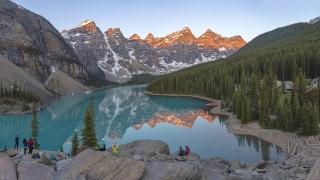
Visiting Canada in one week requires strategic planning due to the country’s vast size. The optimal time to visit is late spring through early autumn (May to September), when weather is mild and most attractions are accessible. For a "Best of Canada" itinerary, focusing on a single region is essential; the Canadian Rockies offer the most concentrated experience of mountains, lakes, and wildlife within a short timeframe. Arrive in Calgary, as it serves as the primary gateway with the most flight options and proximity to Banff National Park.
Transportation is best handled by renting a car. Public transit is limited outside major urban centers, and the distances between key Rocky Mountain attractions like Lake Louise, Yoho, and Jasper are significant. A vehicle provides the flexibility needed to stop at viewpoints and manage variable weather conditions. If flying domestically between distant regions like Vancouver and Toronto is necessary, book flights well in advance, as costs can be high.
Accommodation should be booked months in advance, particularly for Banff and Lake Louise, where demand exceeds supply. Staying in Banff townsite offers convenient access to trails and dining, while Lake Louise provides immediate proximity to the lake but at a premium. For budget-conscious travelers, consider lodging in Canmore, just outside the park, which offers more competitive rates and similar access to the Rockies. In urban segments like Toronto or Montreal, stay near central transit hubs to minimize commute times.
Budgeting for a week in Canada requires accounting for high costs in food, fuel, and lodging. National park entry fees are charged per vehicle, not per person, making carpooling cost-effective. Meals can be expensive in tourist hubs, so consider grocery shopping for breakfasts and picnics. Always check if your accommodation includes parking, as fees in national parks are substantial.
Pack layers, including waterproof jackets and sturdy hiking boots, as mountain weather is unpredictable and can shift rapidly. Bring sunscreen and insect repellent, especially for summer trips. Essential documents include a valid passport and, depending on your nationality, an Electronic Travel Authorization (eTA) or visa. Finally, download offline maps, as cell service can be spotty in remote mountain areas, and respect wildlife by maintaining safe distances from animals like bears and elk.