



How the System Works
Public transit in Metro Vancouver is run by TransLink. The main pieces for visitors are:
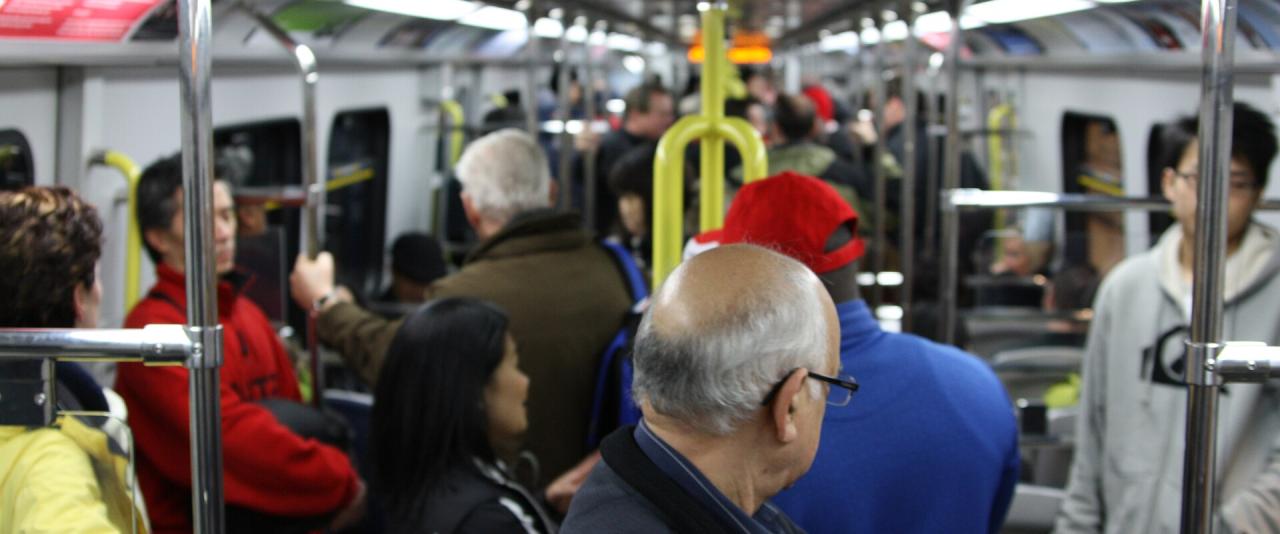
- SkyTrain – a fully automated rapid transit network with three lines and 54 stations.
- SeaBus – a passenger ferry across Burrard Inlet between Waterfront Station and Lonsdale Quay in North Vancouver.
- Buses – an extensive network covering the whole region, including RapidBus express routes.
- West Coast Express – a weekday commuter train to the eastern suburbs, of little use to most visitors.
One fare covers all of these within its time limit, so you can transfer between SkyTrain, SeaBus and buses without paying again.
The Three SkyTrain Lines
- Expo Line – the oldest line, opened in 1985. It runs from Waterfront Station downtown through Burnaby and New Westminster to Surrey, with branches to King George and Production Way–University.
- Millennium Line – runs from VCC–Clark in East Vancouver through Burnaby to Lafarge Lake–Douglas in Coquitlam.
- Canada Line – opened in 2009, runs from Waterfront Station south through downtown and Vancouver to Richmond, with a branch to YVR–Airport.
Trains run frequently, roughly every 2 to 10 minutes on the Expo and Millennium lines and every 3 to 15 minutes on the Canada Line. Weekday service runs from around 5 a.m. until after 1 a.m., with shorter hours on weekends on some lines. Because the trains are driverless, you can stand at the front window for a view of the track.
Waterfront Station is the main hub, where the Expo and Canada lines, the SeaBus and the West Coast Express meet.
Fares and Zones
SkyTrain and SeaBus fares depend on how many of the three fare zones you cross. Buses always cost a one-zone fare. Current adult fares are:
| 1 zone | 2 zones | 3 zones | |
|---|---|---|---|
| Contactless card or Compass Ticket | $3.50 | $5.10 | $6.70 |
| Compass Card stored value | $2.85 | $4.20 | $5.40 |
- Evenings and weekends: trips starting after 6:30 p.m. on weekdays, and all trips on weekends and statutory holidays, are charged as one zone.
- DayPass: $12.55 for unlimited travel in all zones for a day.
- Transfers: a fare is valid for 90 minutes across buses, SkyTrain and SeaBus.
- Concession fares apply to children, youth and seniors.
How to Pay
- Contactless: tap a credit card, debit card or phone at the fare gates or on the bus reader. This charges the regular cash fare.
- Compass Card: a reloadable card sold at station vending machines and some shops. Stored value is cheaper per trip than contactless, so it pays off if you will ride more than a few times.
- Compass Ticket: a single-use paper ticket from station vending machines.
Always tap in and tap out on SkyTrain and SeaBus, even if the gates are open. If you forget to tap out, you may be charged the maximum fare. On buses you tap in only.
Getting to and from the Airport
The Canada Line runs from YVR–Airport to Waterfront Station downtown in about 25 minutes. Journeys starting at YVR–Airport, Sea Island Centre or Templeton stations carry a $6.50 YVR AddFare on top of the regular fare. Travel to the airport does not pay the AddFare.
Useful Routes for Visitors
- Downtown to North Vancouver: take the SeaBus from Waterfront to Lonsdale Quay for the market and waterfront. Buses from Lonsdale Quay connect to Capilano and Grouse Mountain.
- Stanley Park: buses serve the park edges; walking or cycling the seawall from downtown is often easier.
- Granville Island: reachable by bus, or by the small private ferries across False Creek, which do not accept TransLink fares.
- Richmond: the Canada Line serves Richmond's city centre, known for its Asian restaurants and food courts.
Practical Tips
- Plan trips with TransLink's trip planner or a map app. Real-time bus arrivals are shown at many stops.
- Avoid rush hour (roughly 7 to 9 a.m. and 4 to 6 p.m.) if you are carrying luggage.
- Bicycles can go on bus front racks; check TransLink's rules for bikes on SkyTrain, which differ by line and time of day.
- Construction: the Millennium Line is being extended under Broadway toward Arbutus Street, with opening planned for 2027, and a SkyTrain extension to Langley is under construction. Expect detours near the work sites.