




Regional Geography and Context
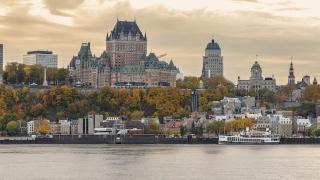
Quebec City sits on the St. Lawrence River in Canada. It divides into Upper and Lower Towns. This topography creates distinct urban zones. Montreal lies approximately 250 kilometers west. Travelers use the Autoroute 40 corridor for transport. This route connects major Eastern Canadian hubs. Eastern Canada extends from Quebec to the Atlantic provinces. This region spans vast Canadian distances. Route efficiency matters for long drives. Travelers must plan for significant transit times. The landscape shapes regional connectivity and logistics. Quebec City serves as a geographic anchor. It links inland routes to coastal areas. Understanding this layout aids trip planning. The St. Lawrence River remains a key transport artery. Urban centers cluster along this waterway. This concentration defines Eastern Canada’s spatial structure. Distance between cities requires careful scheduling. Drivers should account for Canadian road conditions. The region’s geography influences cultural and economic ties. Quebec City’s position highlights these regional dynamics.
Climate and Seasonal Logistics
Quebec City experiences four distinct seasons. Winters are severe, with heavy snowfall. Temperatures often drop below -15°C. Summer months are mild and pleasant. Humidity can increase discomfort in July. Travelers must pack layered clothing. Winter gear is essential from December to March. Snow removal affects road accessibility daily. Transportation delays are common during ice storms. Public transit, the RTC, adjusts schedules for safety. Accommodation availability drops in peak winter months. The Quebec Winter Carnival occurs in February. This event significantly impacts local hotel rates. Book accommodations months in advance. Summer offers ideal conditions for exploration. Warm weather allows for outdoor dining. Transportation is less congested in late spring. Travelers should monitor weather forecasts closely. Sudden storms can disrupt travel plans. Always check road conditions before driving. Public transit remains reliable in bad weather. The climate directly influences travel logistics. Plan indoor activities for cold days. Pack warm layers for evening walks. The seasonal rhythm defines the local experience. Winter sports are popular in nearby regions. Summer festivals attract large crowds. Book early to secure lodging. The climate is a key logistical factor. Plan flexible itineraries to accommodate delays. The harsh winter requires proper preparation. Summer is the best time for sightseeing. Always check local transit updates. The climate dictates the travel pace. Prepare for sudden weather changes. The region is cold in winter. Summer is warm and humid. Plan accordingly for a smooth trip. The climate is a major factor. Always check the forecast before leaving. The weather can change quickly. Be prepared for all conditions. The climate is a key factor. Always check the local forecast. The weather can be unpredictable. Plan for all possible conditions. The climate is a key factor. Always check the local forecast. The weather can be unpredictable. Plan for all possible conditions. The climate is a key factor. Always check the local forecast. The weather can be unpredictable. Plan for all possible conditions.
Transportation Networks and Connectivity
The Société de transport de la capitale (STC) operates the local bus network. This system connects key urban areas efficiently. The historic Funiculaire links Upper and Lower Towns. It offers a quick vertical transit solution for pedestrians. Intercity travel relies heavily on Via Rail and bus services. Direct trains connect Quebec City to Montreal in approximately three hours. This route provides reliable rail access to Canada’s largest city. Quebec City Jean Lesage International Airport handles domestic and limited international flights. Ground transportation includes taxis and shuttle services to downtown. Travelers should verify flight schedules before arrival. Navigating inter-provincial borders requires valid Canadian identification or passports. Border crossings can experience delays during peak holiday seasons. Plan extra time for customs processing when entering Canada. Public transit passes offer cost-effective options for daily commuting. The STC system accepts cash and contactless payments. Always check real-time schedules for seasonal service adjustments. Winter weather may impact bus and train punctuality. Drivers should prepare for icy road conditions in Eastern Canada.
Accommodation Strategies and Location Guide
Old Town offers diverse lodging near historic sites. Luxury hotels provide premium services in stone buildings. Boutique inns feature unique decor and intimate settings. Budget hostels cater to cost-conscious travelers seeking basic amenities. Sainte-Foy provides modern alternatives with lower rates. This district offers better accessibility for drivers. Beauport presents affordable options further from the center. These areas reduce costs while maintaining convenience. The Charlevoix region features rural bed-and-breakfasts. These establishments highlight local culture and scenery. A car rental is essential for access. Public transit does not serve these remote areas. Book accommodations well in advance during peak seasons. Winter festivals increase demand significantly. Proximity to the Funiculaire aids Upper Town access. Lower Town locations require navigating steep streets. Evaluate transit routes before finalizing reservations. Consider parking availability if driving a vehicle. Sainte-Foy hotels often include free parking. Old Town parking is limited and expensive. Prioritize location based on your primary activities. Walkable areas reduce transportation costs. Rural stays require self-catering preparation. Check for kitchen facilities in advance. Verify heating options for winter visits. Quebec winters require robust heating systems. Confirm availability of heated accommodations. Research specific neighborhood characteristics carefully. Each area offers distinct advantages. Choose based on personal travel priorities.
Itinerary Frameworks and Route Planning
Plan a three-day itinerary for efficient exploration. Day one covers Old Quebec’s historic walls. Day two explores the Upper Town’s museums. Day three visits the Plains of Abraham. This schedule minimizes transit fatigue. Travelers may extend trips to Montreal. The drive takes approximately three hours. This route requires careful logistical planning. Public transit connects major urban centers. However, regional exploration benefits from car rental. Private vehicles offer greater flexibility. You can adjust schedules based on weather. Rain may delay outdoor activities. Flexibility ensures a smoother experience. Canadian roads require standard driving permits. Local traffic laws apply strictly. Plan meals around opening hours. Many restaurants close early in winter. Book accommodations in advance during peak season. This prevents last-minute availability issues. The St. Lawrence River provides a scenic backdrop. Use it for orientation during navigation. Keep emergency contacts accessible at all times. Canadian emergency services are reliable and efficient. Always carry identification documents. Border controls may require additional verification. Prepare for variable weather conditions. Layered clothing is essential for comfort. Check local forecasts daily. Adjust plans according to real-time data. This approach maximizes safety and enjoyment.