


Regional Context and Logistics
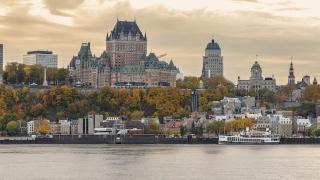
Quebec City sits on a promontory overlooking the St. Lawrence River. The Upper Town and Lower Town are distinct, separated by steep cliffs. Access is primarily via Autoroute 20, the main highway connecting eastern regions. The Jean Lesage International Airport provides essential air connectivity for the area. French is the primary language for all local interactions and official signage. Transportation relies heavily on personal vehicles or regional transit buses. The rugged terrain requires careful navigation, especially during winter months. Infrastructure supports both local commuters and international travelers effectively. This geographic setup defines the unique logistical framework of the region.
Seasonal Dynamics and Climate
Quebec experiences four distinct seasons. Winter brings heavy snow and cold temperatures. Temperatures often drop below freezing. This season suits winter festivals and ice sports. Summer offers warm, mild weather. Daytime temperatures are comfortable for outdoor activities. This period is ideal for exploring the city. Spring and autumn are variable. Weather changes frequently during these transitions. Flexible planning is essential for travel. Spring can be wet and cool. Autumn brings crisp air and changing leaves. Each season offers a unique experience. Travelers should check forecasts before visiting. Winter requires warm, layered clothing. Summer requires light, breathable attire. Always verify local weather conditions. Plan activities based on current conditions. This approach ensures a safe trip. Quebec’s climate is distinct and dynamic. It shapes the local culture significantly. Visitors should prepare for all conditions. This preparation enhances the overall experience. Quebec’s climate is a key feature. It defines the regional character. Plan accordingly for the best experience.
Historic Core and Key Sites
Vieux-Québec is a UNESCO World Heritage site. The historic district features fortified walls. These walls define the Upper Town area. The Château Frontenac dominates the skyline above. This iconic hotel is a major landmark. The Citadelle of Quebec is a nearby military installation. It serves as the official residence for the governor general. Visitors can explore the area on foot. Steep inclines connect the upper and lower sections. Stairs are frequent and require physical effort. Place Royale is a historic neighborhood in the Lower Town. It features 17th-century architecture and cobblestone streets. The area reflects early French colonial history. Many buildings are preserved as historical monuments. Visitors can explore these sites at their own pace. The area is walkable but requires sturdy footwear. Steep slopes are common in the old quarter. Navigation requires attention to elevation changes. The historic core is a key cultural destination. It offers a unique glimpse into Quebec's past. The area is distinct from other Canadian cities. It preserves a unique French-Canadian heritage. This heritage is a key part of Canadian identity. The historic core is a major tourist destination. It attracts visitors from around the world. The area is a significant cultural landmark. It is an important part of Canadian heritage.
Cultural Experiences and Dining
Quebec City offers distinct French-Canadian culinary experiences. Diners often start with pea soup or tourtière. These traditional dishes define local flavor. Poutine remains a staple for many visitors. The cultural scene features the Musée de la Civilisation. This institution explores human history and culture. The Théâtre du Nouveau Monde presents French plays. These venues provide deep cultural immersion. The Quebec Winter Carnival is a major event. It occurs annually in February and March. The International Jazz Festival takes place in summer. These festivals highlight local and international artists. The Quebec Winter Carnival features ice sculptures. The International Jazz Festival features live performances. Both events draw large crowds from around the world. They showcase the unique cultural identity of the region. Visitors can experience traditional Quebecois culture directly. The festivals offer a unique window into local traditions. This cultural richness is a key attraction for travelers. The blend of French heritage and Canadian modernity is unique. This combination defines the unique character of the region. The cultural experience is central to the Quebec identity.
Practical Travel Tips
French is the primary language in Quebec. English is widely spoken in tourist areas. You must carry Canadian dollars for small purchases. Credit cards are accepted at most hotels and restaurants. The STM bus network serves the urban core effectively. Taxis are available but require advance booking in winter. Street parking is limited in the historic district. You must reserve accommodation well in advance. Summer is the peak season for visitors. Hotels fill quickly during the Quebec Winter Carnival. You should book lodging months ahead for January. Budget approximately $150 CAD per night for mid-range hotels. This rate excludes taxes and service charges. Always verify current rates before booking. Cash is useful for small vendors and tips. Credit cards are the standard for larger expenses. Always carry a small amount of local currency. This ensures smooth transactions for small purchases. The local currency is the Canadian dollar. It is the only legal tender in Canada. You must exchange foreign currency at banks or exchange bureaus. Credit cards are widely accepted in urban centers. Cash is preferred for small businesses and tips. Always carry some Canadian dollars for small expenses. This ensures you can pay for small items easily. The local currency is essential for daily transactions. You must have Canadian dollars for small purchases. This is a requirement for smooth travel in Quebec.