
Geographic Scope and Prime Regions
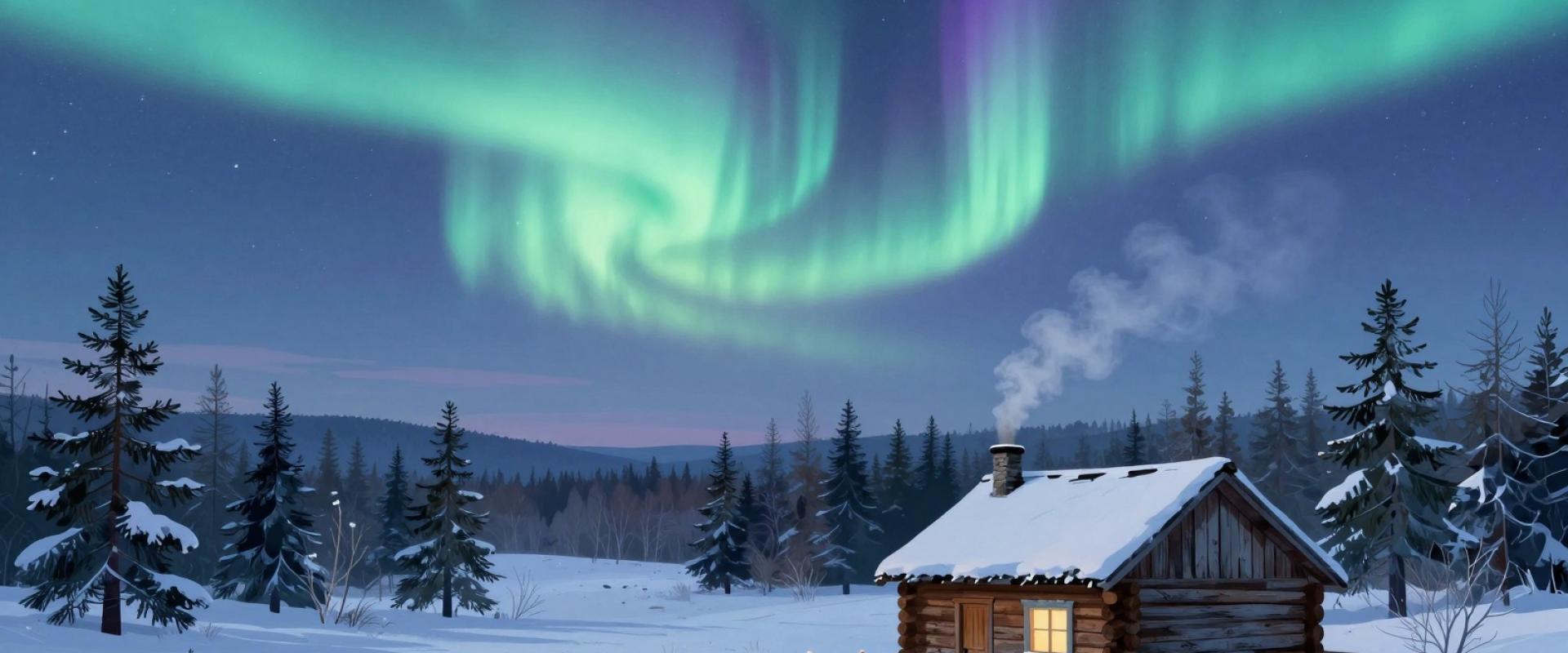
The auroral zone covers Canada’s northern third. This area offers the highest probability for consistent viewing. Prime regions include Yukon, Northwest Territories, and the Inuvialuit Settlement Region. Higher latitudes directly correlate with increased frequency and intensity of displays. These territories provide wide-open tundra and spruce forests ideal for observation. Southern provinces remain less reliable for regular aurora sightings. Travelers should prioritize northern destinations for serious chasing. Yukon features rugged landscapes and historic towns like Dawson City. Private chalets in these areas allow for uninterrupted evening viewing. Avoiding crowded urban centers ensures better visibility of the shimmering skies. Focus on remote locations to maximize your chances of success. The northern climate supports clear winter nights essential for this activity.
Seasonal Timing and Solar Activity
Aurora viewing in Canada runs from late August to mid-April. Peak darkness occurs between December and March. These months offer the longest nights for observation. Solar activity dictates visibility intensity. Monitor the Kp index for accurate predictions. Higher Kp values indicate stronger geomagnetic storms. This metric helps forecast aurora brightness levels. Flexible planning is essential due to solar variability. Weather conditions often compete with darkness for visibility. Extreme cold can limit outdoor exposure time. Balance the need for dark skies with safety. Northern regions provide clearer horizons than southern areas. Yukon and Northwest Territories remain top destinations. Private chalets offer isolated viewing away from light pollution. Always check real-time solar forecasts before traveling. Nature ultimately controls aurora appearance and timing.
Transportation and Access Logistics
Gateway cities include Whitehorse, Yellowknife, and Inuvik. These hubs provide essential access to aurora zones. Travelers often use chartered flights for remote areas. Guided buses offer structured transport from major towns. Self-drive options require specialized winter vehicles. Snow and ice demand four-wheel drive capability. Many visitors prefer guided transport for safety. Roads can be hazardous during peak season. Advance booking is essential due to limited availability. Tour operators manage complex logistics efficiently. Private chalets allow evening viewing without commutes. This avoids crowds and travel risks. Immersive winter experiences complement aurora chasing. Northern Canada offers snowy trails and ice landscapes. Cultural immersion remains a key trip component. Nature dictates visibility, not just location. Holistic planning ensures a successful journey. Experts recommend focusing on the overall experience. Winter adventures include dogsled teams and tracking. Dawson City provides historical context for trips. Southern lakes offer stillness for observation. Privacy is crucial for optimal viewing. Avoiding commutes enhances the aurora experience. Logistics require careful preparation and local knowledge.
Accommodation and Viewing Locations
Prioritize remote lodges in Yukon and Northwest Territories for minimal light pollution. Private chalets near frozen lakes offer privacy and clear northern horizons. Avoid Dawson City’s illuminated storefronts for optimal stargazing conditions. Specialized packages often include glass domes or heated viewing areas. These structures protect against cold while maintaining visibility. Proximity to viewing spots reduces necessary commute time. Whitehorse and Yellowknife serve as primary gateway hubs. Travelers often use chartered flights to reach remote zones. Guided buses provide structured access to these northern locations. Ensure accommodations support extended outdoor observation periods. Check that local infrastructure supports extended outdoor observation. Canadian experts recommend verifying specific amenity availability. This approach ensures a comfortable and immersive aurora experience. Prioritize locations that balance accessibility with dark sky conditions. This strategy maximizes chances for successful aurora viewing.
Safety and Winter Preparedness
Extreme cold requires layered, insulated clothing. Temperatures drop significantly in northern regions. Dress in layers to maintain body heat. Wear insulated boots for traction on ice. Emergency supplies are essential for independent travel. Pack extra food, water, and warm clothing. Guide tours offer safety benefits for beginners. Adhere strictly to local safety protocols. Be aware of hypothermia and frostbite risks. Exposed skin can freeze within minutes. Monitor weather forecasts before traveling. Check ice conditions on frozen lakes. Be cautious of local wildlife hazards. Maintain clear communication with local authorities. Ensure your vehicle is winter-ready. Carry emergency flares and a first-aid kit. Stay informed about changing weather conditions. Prioritize personal safety over photography. Respect local guidelines and regulations. Prepare for sudden temperature drops. Keep emergency contacts readily accessible. Travel with a companion when possible. Monitor battery levels on electronic devices. Stay hydrated despite the cold air. Wear moisture-wicking base layers. Use windproof outer layers for protection. Check road conditions before departure. Inform others of your travel plans. Carry extra batteries for cold weather. Use insulated containers for food and water. Be prepared for extended delays. Stay alert to changing weather patterns. Respect the power of nature. Prioritize safety in all decisions.
Managing Expectations and Immersive Experiences
Aurora visibility remains unpredictable and is never guaranteed. Nature dictates final viewing conditions regardless of planning. Successful trips prioritize holistic winter experiences over single-target chasing. Northern Canada offers extraordinary journeys through snowy trails and ice-covered landscapes. Daytime activities include dog sledding and ice fishing in Yukon. Southern lakes regions provide active adventures like tracking snowy trails. Cultural tours in Dawson City reveal rich historical storefronts. Private chalets near frozen lakes ensure privacy for evening viewing. These locations avoid crowds and long commutes from towns. Reducing pressure on aurora viewing enhances overall trip satisfaction. Immersive cultural engagement adds value regardless of sky conditions. Travelers should expect rugged natural beauty in spruce forests. Wide-open tundra provides distinct daytime scenery separate from night goals. Structured daytime adventures complement the unpredictable nature of aurora chasing. This approach ensures a complete Canadian winter experience.