

Prime Viewing Corridors
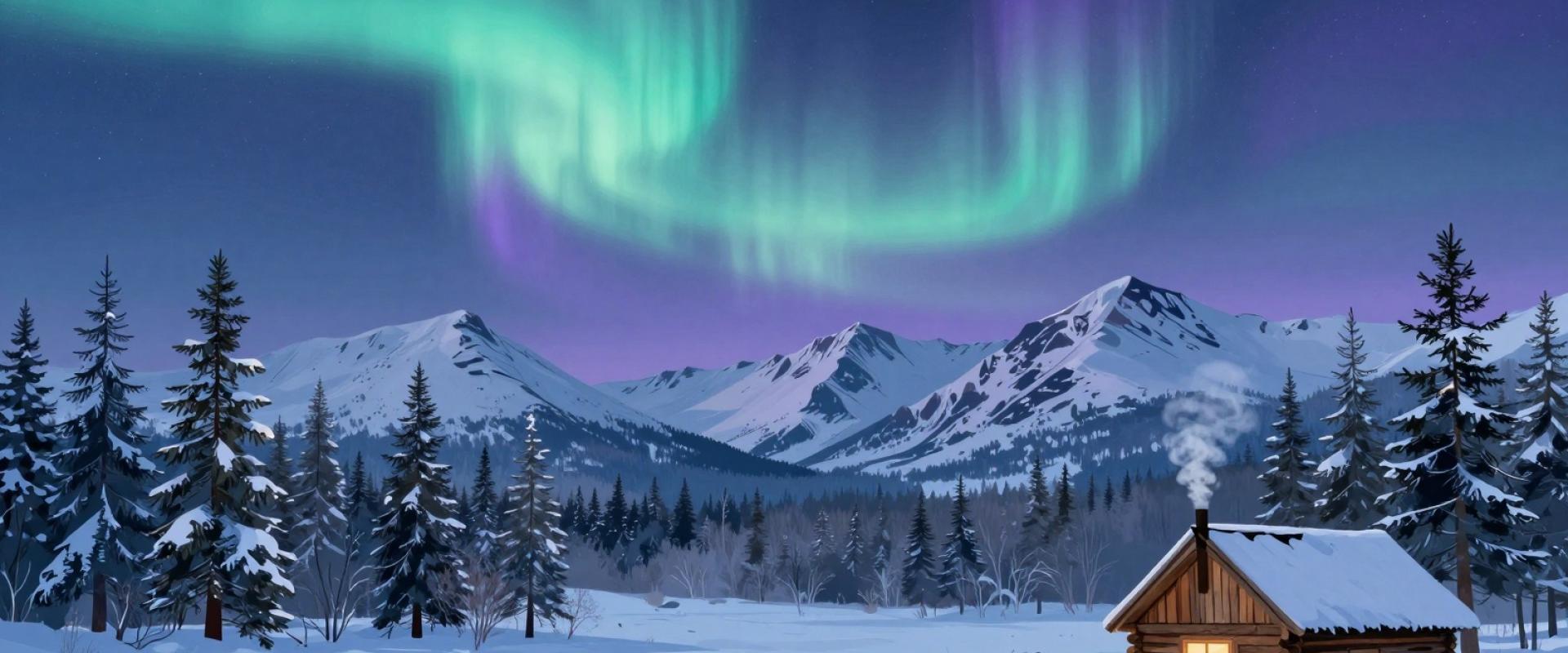
The auroral oval centers over Canada, ensuring high visibility. Three primary corridors offer distinct advantages for chasers. Yellowknife, Northwest Territories, provides the highest reliability. Direct access and clear skies maximize viewing chances. The Yukon Territory offers remote, dark-sky environments. These locations are ideal for serious photography. Minimal light pollution allows for detailed aurora capture. Churchill, Manitoba, presents a unique wildlife combination. Observers can view the lights alongside polar bears. Logistical differences exist between western and eastern routes. Western corridors require specialized winter driving skills. Eastern routes offer more accessible infrastructure. Travelers must plan for extreme cold. Temperatures often drop below minus thirty Celsius. Clear weather is the critical success factor. Each region demands specific preparation strategies. Understanding these geographic nuances is essential. Proper planning ensures a successful aurora hunt. Canada remains a premier global destination. The vast northern territories provide optimal conditions. Chasers should prioritize these three key areas. Each offers a unique viewing experience. Safety protocols must be strictly followed. Local guides can provide valuable insights. Weather forecasts dictate daily movement plans. Flexibility is crucial for success.
Seasonal Timing and Forecasting
The optimal viewing season in Canada runs from late August to mid-April. Peak solar activity occurs during September-October and March-April. Clear skies matter more than high solar activity alone. You must monitor the Kp index for accurate predictions. The Kp index measures geomagnetic storm intensity globally. A higher Kp value indicates stronger auroral displays. Canadian locations like Yellowknife require lower Kp thresholds for visibility. Weather risks remain high during the winter months. Snow cover can obscure the horizon effectively. Plan a trip duration of four to five nights. This stay length mitigates the risk of cloudy skies. Shorter trips often fail due to unpredictable Canadian weather. Check local forecasts daily before heading out. The auroral oval centers over Canada, ensuring high visibility. Three primary corridors offer distinct advantages for chasers. Yellowknife, Northwest Territories, provides the highest reliability. Dir...
Transportation and Logistics
Fly into Yellowknife (YZF) or Whitehorse (YXY) from major Canadian hubs. Direct flights connect these cities to Toronto and Vancouver. Remote lodges in the Northwest Territories require pre-booked shuttle transfers. These shuttles operate on fixed schedules aligned with flight arrivals. Winter driving on the Dempster Highway in Yukon demands specialized vehicles. Ice and snow create hazardous conditions for unprepared drivers. Via Rail’s Hudson Bay line provides train access to Churchill, Manitoba. This route offers unique aurora viewing from the train window. Self-drive travelers must carry emergency supplies for remote stretches. Fuel stations are sparse between major towns in northern Canada. Book all transfers and accommodations months in advance. Winter weather frequently causes flight delays in northern regions. Ensure rental vehicles include winter tires for safety. Check road conditions daily before departing on any route. Logistics require strict planning due to extreme cold temperatures.
Accommodation and Dark Sky Access
Remote lodges in Yellowknife and Churchill offer superior dark sky access compared to city hotels. These locations minimize light pollution significantly. Heated viewing decks are standard amenities at most northern accommodations. Glass igloos provide shelter while maintaining clear northern views. Book accommodations with dedicated wake-up services for overnight aurora activity. Solar activity peaks unpredictably, requiring flexible monitoring. Guided tours at local lodges often include aurora forecasts. This service reduces the need for personal equipment. Renting specialized cold-weather gear is available at many northern lodges. This option reduces travel weight and cost. Remote locations require pre-booking during peak winter months. Standard hotels in urban centers lack the necessary dark sky proximity. Choose lodges specifically designed for aurora viewing. This ensures optimal visibility and comfort. Verify heating systems are functional before arrival. Check specific room views for unobstructed northern horizons. Local guides provide real-time sky condition updates. This information is critical for successful photography. Plan accommodation bookings at least three months in advance. This ensures availability during high-demand winter periods. Canadian northern lodges offer specialized aurora packages. These packages often include guided viewing sessions. Verify included amenities before finalizing bookings. Ensure heating and lighting meet personal standards. Canadian northern accommodations prioritize guest comfort in extreme cold. Verify specific room features before booking. Canadian northern lodges offer specialized aurora packages. These packages often include guided viewing sessions. Verify included amenities before finalizing bookings. Canadian northern accommodations prioritize guest comfort in extreme cold.
Safety and Cold Weather Preparedness
Temperatures in Yellowknife and Churchill often drop below -30°C. Extreme cold demands strict layering strategies. Wear moisture-wicking base layers under insulated mid-layers. Outer shells must block wind completely. Protect extremities with insulated mittens and thermal socks. Exposed skin risks frostbite within minutes. Battery life degrades rapidly in sub-zero conditions. Keep phones and cameras inside inner jacket pockets. Use hand warmers to maintain device functionality. Remove electronics only briefly for photography. Solo travel in remote Canadian territories is dangerous. Hypothermia can incapacitate victims quickly. Guided tours provide essential safety oversight. Drivers know ice conditions and emergency routes. Vehicles require winter tires and block heaters. Carry an emergency survival kit in all trips. Include blankets, high-calorie snacks, and a first-aid kit. Carry a fully charged power bank. Inform someone of your planned route. Check weather forecasts before departing each night. Prepare for sudden whiteout conditions on highways. Ensure your vehicle has extra fuel. Carry jumper cables and a shovel. These precautions mitigate risks in harsh environments.