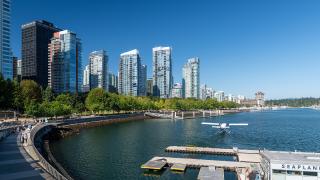


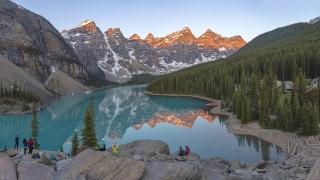
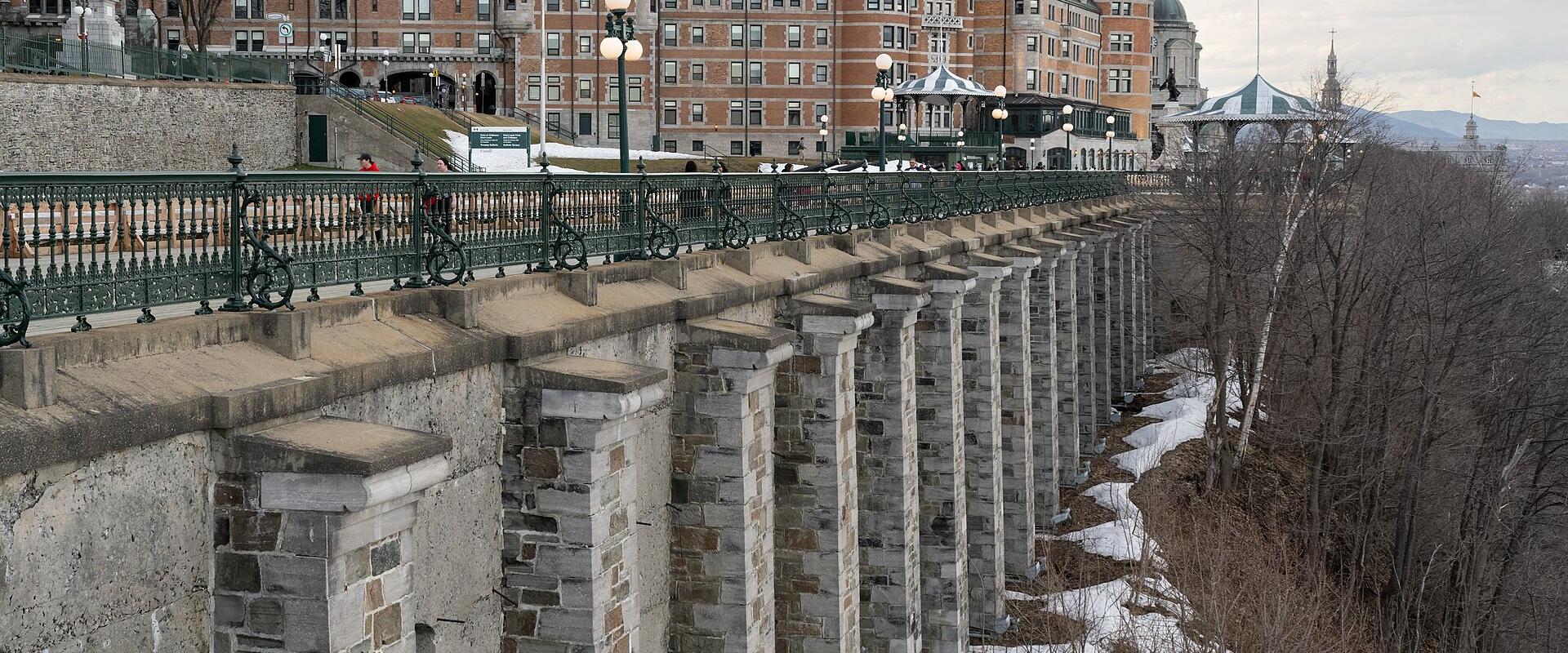
Canadian hotel pricing varies significantly by region and season. Metropolitan areas like Toronto and Vancouver maintain stable rates year-round. Demand remains consistent due to business travel and urban tourism. Natural destinations experience extreme seasonal fluctuations. Banff and Jasper see peak prices during summer and winter holidays. Rates often double during these high-demand periods. Remote lodges operate on strict seasonal schedules. Many close entirely from November to April due to snow. Booking well in advance is essential for these locations. Local festivals drive temporary price spikes in urban centers. Events like the Calgary Stampede or Montreal Jazz Festival increase hotel costs. Prices may rise by thirty percent during these weeks. National parks require early reservations for on-site accommodations. Availability fills months ahead during peak summer months. Travelers should budget for higher costs in remote regions. Transportation limits increase operational expenses for northern resorts. These costs are passed directly to guests. Understanding these regional differences helps manage travel budgets effectively.
Urban Hospitality Standards and Chains
Major Canadian cities host international chains like Marriott and Hilton. These properties offer consistent standards across Toronto, Vancouver, and Montreal. Independent boutique hotels also thrive in urban centers. Guests should expect standard amenities in most urban hotels. High-speed internet and coffee makers are standard in-room features. Parking fees are common in major metropolitan areas. Urban hotels often charge daily resort or parking fees. These costs are separate from the base room rate. Travelers should budget extra for these mandatory charges. Accessibility standards are strictly enforced in newer buildings. Historic buildings may lack modern accessibility features. Many historic hotels have retrofitted elevators and ramps. Guests with mobility needs should verify specific room access. Staff are generally trained to assist with accessibility needs. Canadian hospitality standards prioritize safety and clear communication. Guests can expect clear signage and accessible entry points in major urban centers. Always confirm specific accessibility features when booking historic properties.
Wilderness Lodges and Remote Stays
Canadian wilderness lodges occupy remote regions like the Yukon and Northwest Territories. Access often requires small aircraft or seasonal ice roads. These properties operate as all-inclusive packages. Rates typically cover meals, guided tours, and transport. Basic amenities prioritize function over luxury. Rooms feature sturdy construction against harsh winters. Connectivity remains limited in most northern territories. Guests should expect minimal cellular service or Wi-Fi. The focus shifts entirely to nature immersion. Activities include wildlife viewing and guided hiking. Some lodges offer dog sledding in winter. Dining relies on local ingredients and game. Staff provide essential safety briefings for remote travel. Booking requires advance planning due to limited capacity. Prices reflect the high cost of logistics. Expect to pay premium rates for isolation. Packages often last three to seven nights. Transportation costs may be included in the total. Guests must prepare for self-sufficiency in the wild. Safety protocols are strict and mandatory. Lodges maintain satellite communication for emergencies. The experience emphasizes disconnection from urban life. Wildlife encounters are common but regulated. Guides ensure respectful distance from animals. Meals are hearty and designed for energy. Accommodations range from rustic cabins to modern suites. All options remain grounded in the natural environment. Canadian hospitality standards apply even in remote areas. Service remains professional and attentive. The wilderness defines the entire stay experience.
Booking Strategies and Cancellation Policies
Book Canadian accommodations early for peak summer and winter seasons. Demand spikes in July, August, and February. Direct hotel websites often offer better rates than third-party platforms. Check for member discounts or package deals directly. Cancellation policies vary widely across Canadian provinces. Many standard rooms allow free cancellation up to 48 hours before arrival. Premium or non-refundable rates carry strict penalties. Some remote wilderness lodges require full prepayment. Taxes significantly impact the final hotel bill in Canada. Provincial sales taxes (PST) apply in several provinces. Quebec and Ontario include harmonized sales taxes (HST). These taxes range from 5% to 15% depending on location. Always verify the total cost including all local taxes. Budget accordingly for these mandatory additions to your stay.