
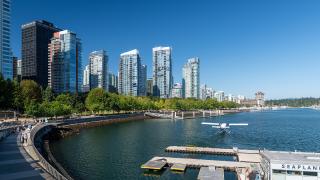



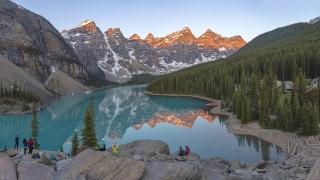

Canadian accommodation costs vary significantly by region. Urban centers like Toronto and Vancouver command premium rates. Hotels in downtown districts often exceed $300 CAD nightly. Remote resorts in the Yukon or Nunavut face higher operational costs. These locations charge more due to limited supply and logistics. Seasonal demand heavily influences pricing in tourist hubs. Banff and Jasper rates double during peak summer months. Winter ski resorts in Whistler see similar spikes. Travelers should book months in advance for these periods. Value depends on location and specific experience offered. Budget motels exist in rural areas outside major cities. They provide affordable options for road trippers. Luxury resorts in Quebec City offer historic charm. Prices reflect the unique cultural context. Always compare rates across different provinces. Western Canada generally costs more than Atlantic regions. Consider shoulder seasons for better deals. Spring and fall offer lower rates in most areas. This approach balances cost with accessibility. You can enjoy Canadian hospitality without overspending. Research specific regional averages before booking. This ensures realistic budget expectations for your trip.
Accommodation Categories
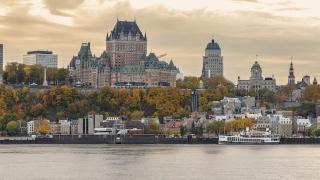
Urban business hotels dominate major Canadian cities. Chains like Fairmont and Marriott operate extensively. Rates in Toronto and Vancouver often exceed $300 CAD nightly. These properties cater to corporate travelers and tourists alike. Historic railway hotels offer unique heritage experiences. The Château Frontenac in Quebec City exemplifies this style. Built by Canadian Pacific Railway, these structures define luxury travel. Remote wilderness lodges provide isolation in the Canadian Shield. Indigenous-owned properties increasingly manage these remote resorts. They offer authentic cultural immersion alongside standard amenities. Boutique bed and breakfasts thrive in rural Ontario and Quebec. These smaller establishments provide personalized service. Prices vary widely based on season and location. Travelers should book well in advance for peak summer months. Canadian accommodations reflect the country’s vast geographic diversity. Options range from modern high-rises to rustic cabins. Each category serves distinct traveler needs effectively.
Booking Logistics and Policies
Canadian hotel rates include provincial sales tax. Prices rarely display this burden upfront. Bookers must verify final costs before confirming. Discounted non-refundable rates dominate Canadian inventory. These options enforce strict cancellation policies. Guests forfeit full payment upon early departure. Minimum stay requirements apply during peak seasons. Winter ski resorts often mandate three-night stays. Summer national park lodges enforce similar rules. Resort fees are less common than in the US. However, some luxury properties charge daily amenity fees. These cover Wi-Fi, fitness centers, or parking. Always check the fine print for extra charges. Canadian hospitality standards require clear pricing disclosure. Budget travelers should verify tax inclusion rates. This prevents unexpected charges at checkout. Canadian hotels prioritize direct booking benefits. Members often receive complimentary breakfast or upgrades. Always confirm policy details during reservation. Cancellation windows vary by property type. Business hotels offer flexible terms. Leisure resorts enforce rigid schedules. Plan accordingly to avoid financial loss. Canadian tax laws mandate transparent billing. Ensure all fees are itemized. This protects consumers from hidden costs. Read terms carefully before payment.
Accessibility and Standards
Canadian hotels must comply with provincial accessibility laws. Ontario’s AODA mandates accessible rooms in new builds. These rooms feature roll-in showers and visual alarms. Quebec enforces similar strict building codes. Heritage properties face unique limitations. Older structures often lack elevators. Remote resorts may have limited access. Safety inspections occur regularly across Canada. Health departments enforce strict hygiene standards. Linens require high-temperature washing protocols. Fire safety checks are mandatory annually. All Canadian hotels enforce no-smoking policies. Smoking is banned in all rooms. Violations incur significant fines per province. Guests face penalties for smoking indoors. Staff must report violations immediately. Cleaning crews sanitize surfaces thoroughly. Guests should verify accessibility features. Call hotels directly for details. Remote locations may have fewer amenities. Urban hotels generally meet all codes. Check specific room requirements before booking. Ensure your needs match available options. Standards vary by property age. Newer constructions offer better access. Always confirm elevator availability in older buildings. Safety remains the top priority for operators.
Strategic Planning Tips
Book accommodations early for peak Canadian seasons. Summer and winter holidays drive high demand. Urban hotels in Toronto and Vancouver fill quickly. Remote resorts in the Rockies require advance reservations. Consider location trade-offs carefully. City centers offer convenience but higher costs. Remote lodges provide solitude but limited services. Use local tourism resources for accurate information. Provincial guides list verified amenities and pricing. Verify amenity inclusions before booking. Some resorts charge extra for parking. Ski resorts may fee for equipment storage. Confirm if breakfast is included. Canadian taxes are often added at checkout. Check final prices to avoid surprises. Non-refundable rates offer savings but less flexibility. Plan for seasonal weather impacts. Winter roads may close remote properties. Summer bookings require confirmation of heating. Verify accessibility features if needed. Ontario and Quebec have specific standards. Use official channels for reliable data. Avoid third-party sites with hidden fees. Direct booking often provides better support. Canadian hospitality standards vary by region. Research specific property reviews. Focus on recent guest experiences. Ensure amenities match your needs. Verify pool and gym availability. Check pet policies strictly. Canadian hotels have varying pet rules. Confirm cancellation terms clearly. Understand local tax implications. Budget for provincial sales tax. Plan for currency exchange if needed. Most properties accept major credit cards. Cash is rarely required for tips. Prepare for variable service levels. Rural areas may have limited hours. Urban centers offer 24-hour front desks. Choose based on trip purpose. Business travelers prefer city locations. Leisure travelers may enjoy remote settings. Balance cost with convenience. Early planning ensures better rates. Secure preferred rooms in advance. Verify all details before payment. This approach optimizes the Canadian stay.