







Route Selection and Logistics
The Trans-Canada Highway forms the primary route for this journey. This route spans 7,821 kilometers across the nation. You must plan for six distinct time zones. This geographic span requires careful scheduling adjustments. Daily driving limits should remain at 400 to 500 kilometers. This limit ensures safety during the long transit. The scale of the distance is significant. It exceeds the distance from London to Cairo. You must treat this as a major logistical task. Spontaneous travel is not viable for this distance. Strategic planning is essential for a successful trip. You must account for the vast scale involved. The route connects the Atlantic to the Pacific. This is a significant undertaking for any driver. Careful planning is the only way to succeed.
Vehicle Preparation and Winter Readiness
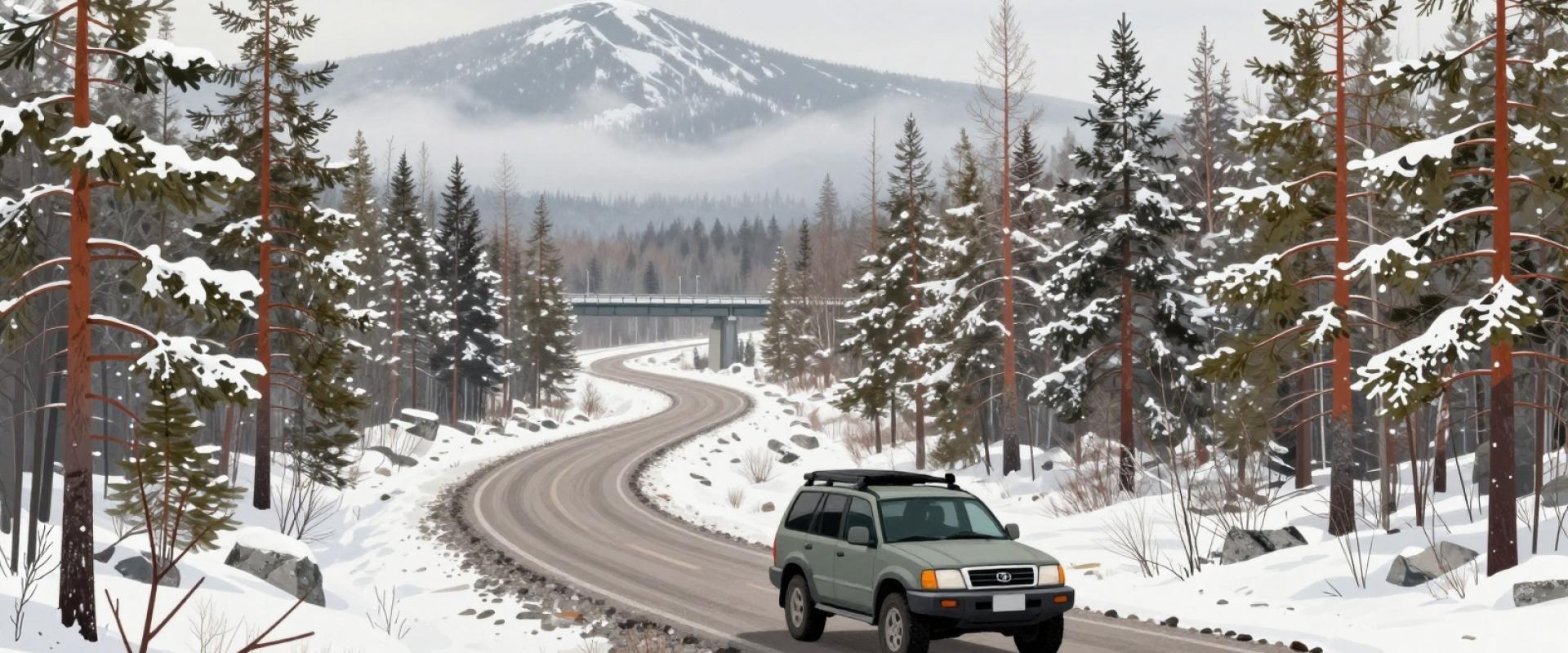
Vehicle maintenance is critical for safety on Canadian roads. All-weather or all-season tires are recommended for most travel. Winter tires are legally required in many provinces during winter months. You must check tire pressure and condition before every departure. This ensures safe handling on ice and snow. Fill fuel tanks in major towns to avoid running low. Remote areas often lack gas stations for long distances. Plan refueling stops carefully to prevent stranded situations. Check all fluid levels, including brake and coolant fluids. Inspect brakes, batteries, and belts for wear. Winter conditions demand extra vehicle preparation. Ensure your heater and defroster function correctly. Carry an emergency kit with blankets and food. This preparation is essential for safe travel across Canada. Always check local weather forecasts before driving. Adapt your schedule to changing weather conditions. Prioritize safety over speed during winter travel. This approach ensures a safe and successful journey across the country.
Provincial traffic laws vary significantly across Canada. Drivers must understand local regulations before crossing borders. Distracted driving penalties are strict in most provinces. You must carry valid identification at all times. A valid passport or NEXUS card is essential for entry. These documents verify your identity and legal status. Be aware of local traffic laws in each province. Stopping for pedestrians is a legal requirement in many areas. Fines for violations can be substantial and immediate. Stay informed about specific provincial regulations before you travel. Rules regarding speed limits and right-of-way change frequently. Ignorance of the law is not a valid defense. Plan your route to account for these differences. Check official government websites for the latest updates. This ensures compliance and avoids unnecessary legal complications. Proper preparation prevents delays at border checkpoints. Respect local customs and legal expectations. This approach ensures a smooth and lawful journey. Your safety and legal standing depend on this awareness. Always prioritize adherence to local statutes. This minimizes risk and maximizes travel efficiency. Canada’s vastness requires diligent legal compliance. Stay vigilant and informed throughout your trip.
Wildlife Safety and Remote Driving
Canadian highways host dangerous wildlife encounters daily. Moose, bears, and deer roam freely near roads. These animals cause severe collisions annually. Drivers must remain vigilant at all times. Dawn and dusk present the highest risk periods. Animals are most active during these twilight hours. Reduce speed significantly in rural and remote areas. Lower speeds provide crucial reaction time for sudden stops. Always scan road shoulders for movement. Check road condition websites regularly for weather closures. Snow and ice frequently block northern routes. Limited cell phone service affects remote regions. Signal loss is common in vast wilderness areas. Carry emergency supplies for extended delays. Pack extra food, water, and warm clothing. Inform others of your planned route and schedule. Satellite communication devices offer reliable backup connectivity. Standard mobile phones often fail in remote areas. Prepare for isolation when driving through northern territories. Always carry a fully charged mobile device. Keep a physical map as a secondary navigation tool. Be prepared for sudden weather changes. Winter conditions can appear without warning. Ensure your vehicle is equipped for emergencies. Carry chains, blankets, and non-perishable food. Stay alert to animal crossing signs. These signs indicate high-traffic animal areas. Drive cautiously to avoid collisions with wildlife. Report any injured animals to local authorities. Do not approach or feed wild animals. Maintain a safe distance from all wildlife. Respect natural habitats to ensure safety.
Accommodation and Planning Strategies
Book accommodation well in advance for this journey. Peak summer seasons require early reservations. The Trans-Canadian route spans 7,821 kilometers. You must plan for six distinct time zones. This vast distance requires careful scheduling. Research specific lodging options along your route. Consider location and available amenities carefully. Service levels vary significantly across regions. Rural areas may offer limited choices. Be flexible with your travel plans. Weather conditions can change rapidly in Canada. Be prepared for sudden schedule changes. Plan for potential delays due to weather. The scale of travel is substantial. Toronto to Vancouver is farther than London to Cairo. You must account for six time zones. This geographic span requires flexible planning. Choose accommodations that fit your daily driving limits. Do not over-schedule your daily itinerary. Flexibility is essential for a successful trip. Adapt to local conditions as needed. Ensure your lodging choices support your daily driving goals. This approach ensures a manageable and safe journey across the country.