







Route Architecture
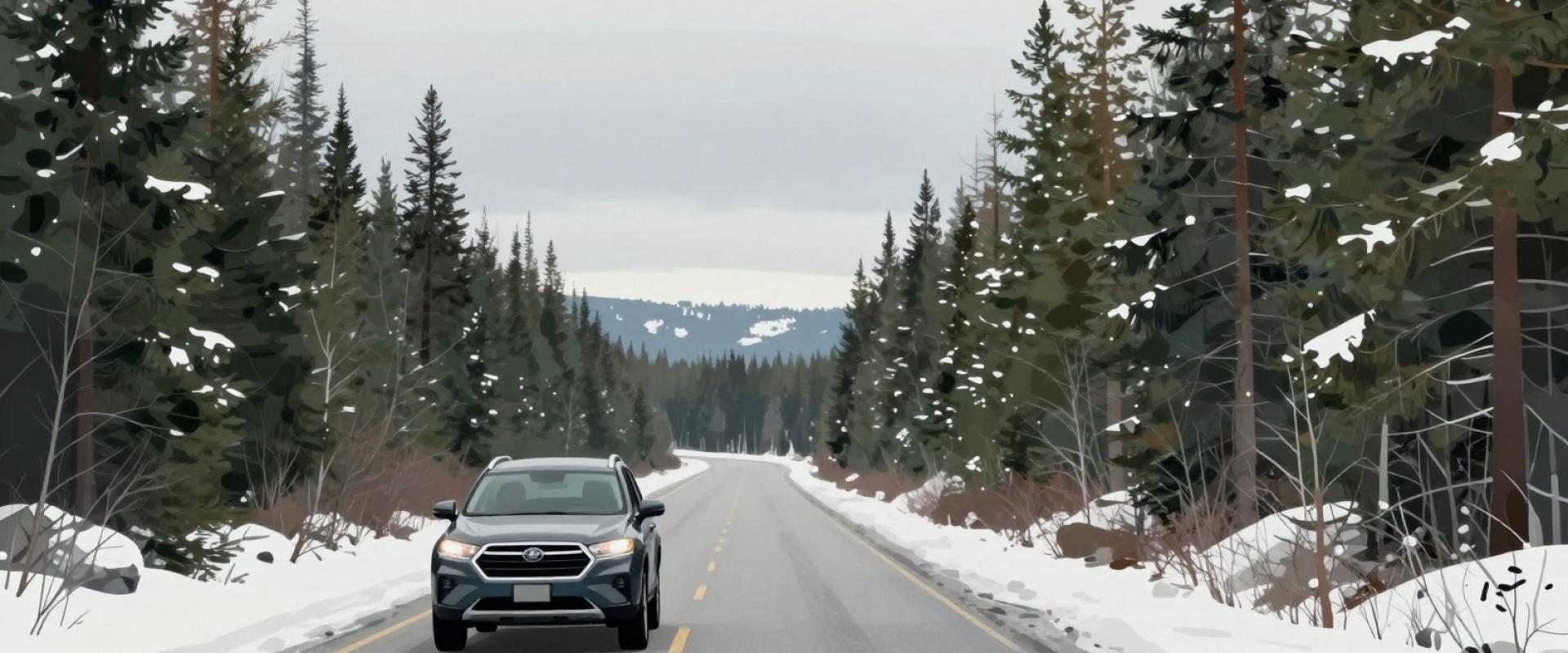
The route spans 8,000 kilometers from Victoria to St. John’s. This distance covers six distinct time zones. The Trans-Canadian Highway serves as the primary artery. Road quality varies significantly by province. Drivers must adjust to local conditions. The Rocky Mountains present steep grades. These terrain challenges require careful navigation. Flat plains in the Prairies offer straight, open driving. This contrasts with winding roads in the east. Drivers must monitor provincial road conditions closely. Weather changes can alter road safety quickly. The Trans-Canada Highway connects major coastal points. It links the Pacific to the Atlantic. Travelers must check specific provincial updates. Road conditions change with the seasons. Winter brings ice to northern sections. Summer brings heat to the prairies. Drivers must plan for these variations. The route is not uniform. It requires constant attention to detail. Local road signs may differ by province. Drivers must stay alert for changes. The journey is long but manageable. Proper planning ensures a safe trip. The highway network is well-maintained. However, remote sections may have limited services. Drivers should carry emergency supplies. Fuel stations are sparse in some areas. Rest stops are available at intervals. The route is designed for long-distance travel. It connects diverse Canadian landscapes. Drivers experience varied geography daily. The journey tests vehicle reliability. Proper maintenance is essential. The route is a significant logistical feat. It connects Canada’s major regions. Drivers traverse multiple ecosystems. The highway is a national infrastructure project. It supports both tourism and commerce. The route is open year-round. However, some sections close in winter. Drivers must check current status. The Trans-Canada Highway is a vital link. It defines the Canadian road trip experience.
Seasonal Driving Constraints
Winter driving demands caution across Canada’s vast expanse. Ice and snow create hazardous conditions on all highways. Mountain passes in the Rockies frequently close during storms. Drivers must monitor Transport Canada alerts for real-time updates. Summer brings different risks, primarily wildfires in western provinces. Smoke reduces visibility significantly on long stretches of road. Congestion peaks in July and August near major cities. Tire laws vary by province, requiring specific equipment. Quebec mandates winter tires from December 1 to March 15. British Columbia requires them from October 1 to April 30. Other provinces have no strict legal mandates but recommend caution. Daylight hours fluctuate drastically with latitude and season. Northern routes offer minimal daylight in winter months. This limits safe driving windows to just a few hours. Rapid weather changes are common in all regions. A sunny morning can turn into a blizzard by noon. Itinerary flexibility is essential for safety and progress. Vehicles must be equipped with emergency kits and extra fuel. Carry chains even in summer for high-altitude passes. Check provincial transportation websites before entering each jurisdiction. Weather apps provide localized forecasts crucial for route planning. Adaptability ensures a successful coast-to-coast journey across diverse climates.
Vehicle Preparation Standards
Canada’s vast geography demands rigorous vehicle preparation for a coast-to-coast journey. The Trans-Canada Highway spans nearly 8,000 kilometers across six time zones. Mechanical reliability is critical for safety in remote regions. Perform a comprehensive inspection before departure. Check the cooling system to prevent overheating in summer heat. Inspect brake pads and rotors for wear on mountain descents. Ensure tires have adequate tread depth for varied Canadian road conditions. Carry a mandatory emergency kit for remote areas. Include jumper cables, a tire repair kit, and a first-aid supply. Pack extra water and non-perishable food for unexpected delays. Fuel strategy requires planning for long gaps between stations. Rural stretches in the Prairies and Northern territories lack frequent pumps. Refuel whenever the tank drops below half capacity. Keep a portable fuel container in the trunk as a precaution. Verify insurance coverage extends to all provinces and territories. Carry your driver’s license and vehicle registration documents at all times. Download offline maps for areas without cellular service. Signal loss is common in the Rockies and Atlantic provinces. Use GPS devices with pre-loaded Canadian road data. Prepare for bilingual signage reflecting Canada’s official languages. Ensure your vehicle is ready for diverse seasonal constraints. Winter driving requires specific tires and caution on icy highways. Proper preparation ensures a safe and efficient cross-country experience.
Accommodation Logistics
Lodging availability varies drastically across Canada’s six time zones. Urban centers like Toronto offer abundant hotel inventory. Remote northern towns have limited, often fully booked options. Advance reservations are essential for national parks. Book campgrounds and lodges months before summer travel. Flexible cancellation policies are critical for unpredictable northern weather. Payment methods differ significantly by region. Urban hotels accept major credit cards universally. Remote northern communities often require cash or debit. Credit card acceptance is not guaranteed in isolated areas. Plan for limited banking services in remote regions. Cultural protocols are vital in Indigenous communities. Always seek permission before entering traditional territories. Respect local customs and established protocols. This approach ensures respectful and safe travel. Accommodation logistics require careful, advance planning. The vast distance demands precise scheduling. Secure lodging early to secure peace of mind. Flexibility is key to managing remote travel challenges. Always verify specific booking requirements before arrival. This strategy minimizes stress during the long journey. Canadian road trips require specific logistical preparation. Plan accommodation details with the same care as the route. This approach ensures a smooth, respectful travel experience across the vast Canadian landscape.
Wildlife and Safety Protocols
Large animals pose significant risks on Canadian highways. Moose and elk frequently cross rural roads. These collisions cause severe vehicle damage and injury. Drivers must reduce speed in rural areas. High beams improve visibility of large animals at night. However, high beams can blind oncoming traffic. Drivers must switch to low beams when approaching other vehicles. This protocol ensures safety for all road users. Sudden braking is dangerous on wet or icy roads. Maintain a safe following distance to allow reaction time. In the event of a collision, stop immediately. Do not approach the animal, as it may be aggressive. Contact local authorities or emergency services for assistance. Fatigue is a major risk on long, monotonous stretches. Take regular breaks every two hours to rest. Stretching helps maintain alertness and focus. Respect Indigenous lands and cultural boundaries along the route. Some areas are sacred or private. Always observe posted signs and local regulations. Adhering to these protocols minimizes risk. It ensures a safe and respectful travel experience for all. Prioritize safety over speed to ensure a successful journey.