




Understanding the Canadian Wilderness Experience
Canadian wilderness lodges offer rugged immersion. Access varies by region. Northern Ontario, Manitoba, and the Northwest Territories provide remote settings. Access methods include fly-in, boat, or hike-in routes. First-time visitors should choose road-accessible options. These lodges often include guided services. Amenities are limited by design. Connectivity is often sparse or non-existent. Guests must accept limited amenities. The environment is rugged and wild. Comfort is secondary to the natural experience. Travelers should set realistic expectations. Plan for basic living conditions. Research specific lodge requirements before booking. This ensures a safe and appropriate stay. The experience is defined by isolation. It is not a standard hotel stay. The focus is on nature and adventure. Safety depends on following guide instructions. Always verify access methods in advance. This planning prevents unexpected difficulties. The Canadian wilderness is vast and remote. Respect the environment and local conditions. This approach ensures a successful trip. The experience is unique to Canada.
Categorizing Accommodation Types
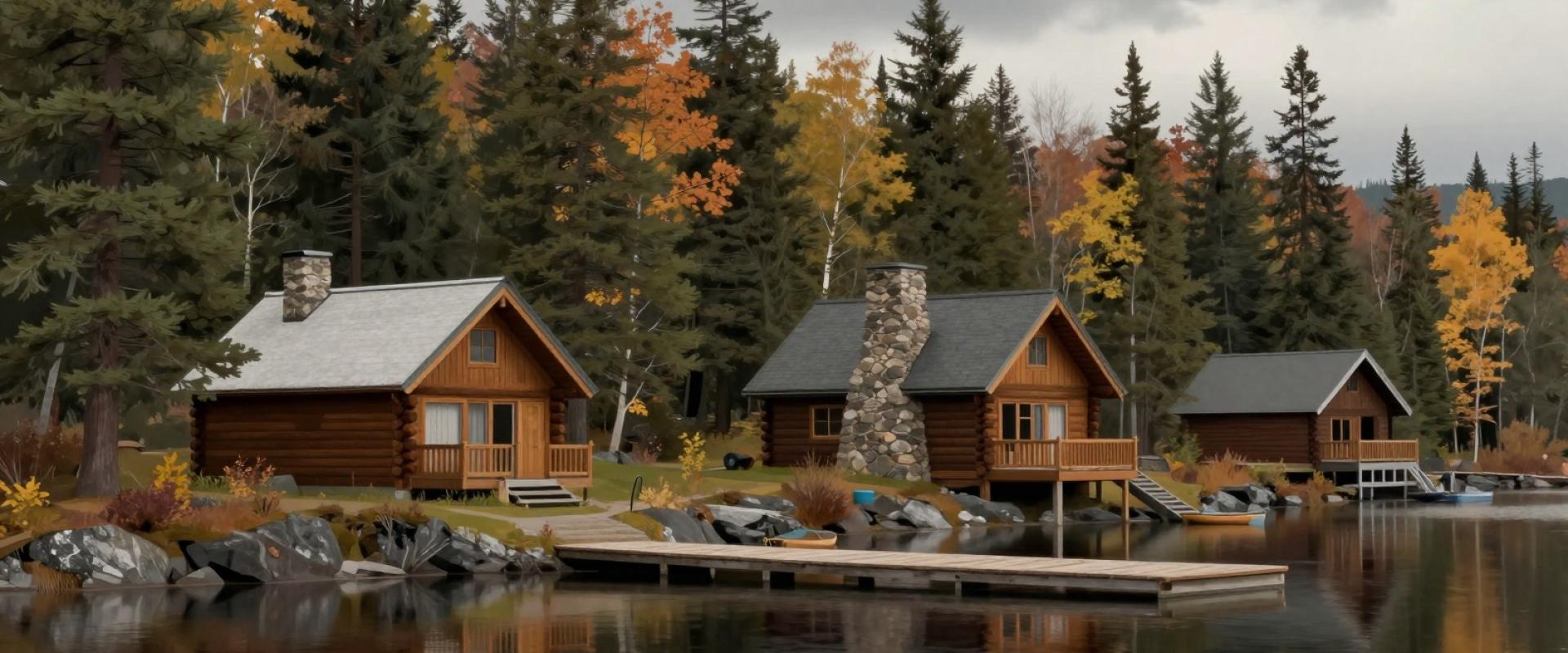
Canadian wilderness accommodations range from basic to luxury. Basic camps require self-sufficiency. Travelers must bring all necessary gear. These options suit independent adventurers. In contrast, luxury lodges offer full service. They provide guided activities and meals. This structure suits those seeking comfort. Access methods vary by location. Remote lodges often require fly-in or boat access. Northern regions like the Northwest Territories offer true remoteness. First-time visitors should choose road-accessible options. These provide easier logistics and included services. It is crucial to match the accommodation to personal preferences. Do not rely solely on cabin photos. Evaluate the specific access method for each stay. This ensures the experience matches your expectations. Canadian wilderness lodges offer diverse options. Choose based on your desired level of comfort. Prioritize safety and accessibility in your planning. This approach ensures a successful and safe trip. The Canadian wilderness offers unique experiences for all travelers.
Access to Canadian wilderness lodges requires precise planning. Most remote locations demand multi-modal transport. Travelers often combine road, boat, and air travel. Access methods vary by region and lodge type. Northern Ontario, Manitoba, and the Northwest Territories offer distinct challenges. Some lodges are accessible only by floatplane. Others require boat transfers across large lakes. Road access is limited to specific regions. Travelers must book transportation well in advance. Delays are common due to weather conditions. Flexibility is essential for a successful trip. Plan for potential delays in transit times. Ensure all gear is suitable for remote conditions. Verify access routes before finalizing bookings. This preparation ensures a safe and smooth experience. Proper planning is critical for a successful stay.
Safety Protocols and Wildlife Safety
Remote Canadian wilderness requires strict safety protocols. Travelers must prioritize self-reliance in remote areas. Guide-led adventures offer safer exploration of dense forests. Always carry appropriate safety gear for the region. Bear safety is critical in many Canadian regions. Learn proper bear spray usage before arrival. Moose are common in northern Canadian wilderness. Maintain a safe distance from all large wildlife. Self-rescue capabilities are essential for remote travel. Check weather forecasts daily before heading out. Inform lodge staff of all planned excursions. Carry emergency communication devices in remote areas. Always carry extra food and water supplies. Know basic first aid for wilderness injuries. Respect wildlife by keeping a safe distance. Never approach or feed wild animals. Follow all local regulations for campfire safety. Ensure all gear is suitable for cold weather. Prepare for sudden weather changes in the north. Always inform others of your travel plans. Carry emergency signaling devices at all times. Know how to use a satellite communicator. Always carry extra insulation for cold nights. Prepare for variable conditions in the north. Always check local wildlife activity reports. Know the specific risks of your region. Always carry extra water and food. Know the location of the nearest shelter. Always carry extra warm clothing. Know the local emergency contact numbers. Always carry extra fire-starting materials. Know the local fire restrictions. Always carry extra navigation tools. Know how to use a map and compass. Always carry extra first aid supplies. Know how to treat common wilderness injuries. Always carry extra shelter materials. Know how to build a emergency shelter. Always carry extra lighting. Know how to use a headlamp safely. Always carry extra repair kits. Know how to fix common gear failures. Always carry extra communication devices. Know how to use a satellite phone. Always carry extra food. Know how to ration supplies in an emergency. Always carry extra water. Know how to purify water in the wild. Always carry extra clothing. Know how to layer clothing for cold weather. Always carry extra footwear. Know how to protect feet from blisters. Always carry extra gloves. Know how to protect hands from cold. Always carry extra hats. Know how to protect head from heat loss. Always carry extra socks. Know how to keep feet dry. Always carry extra blankets. Know how to stay warm in an emergency. Always carry extra tents. Know how to set up a tent quickly. Always carry extra tarps. Know how to create a rain shelter. Always carry extra ropes. Know how to secure gear in wind. Always carry extra stakes. Know how to anchor a tent in snow. Always carry extra poles. Know how to repair a broken tent. Always carry extra zippers. Know how to fix a broken zipper. Always carry extra fabric. Know how to patch a torn tent. Always carry extra glue. Know how to seal a leak. Always carry extra tape. Know how to secure a loose part. Always carry extra scissors. Know how to cut rope or fabric. Always carry extra knives. Know how to cut wood or food. Always carry extra axes. Know how to chop wood for fire. Always carry extra saws. Know how to cut branches for shelter. Always carry extra shovels. Know how to dig a snow trench. Always carry extra picks. Know how to climb ice or snow. Always carry extra crampons. Know how to walk on ice. Always carry extra ice axes. Know how to stop a fall on snow. Always carry extra helmets. Know how to protect head from falling rocks. Always carry extra harnesses. Know how to secure yourself on cliffs. Always carry extra ropes. Know how to rappel down a cliff. Always carry extra carabiners. Know how to connect safety gear. Always carry extra slings. Know how to extend anchor points. Always carry extra nuts. Know how to place passive protection. Always carry extra cams. Know how to place active protection. Always carry extra quickdraws. Know how to clip into bolts. Always carry extra belay devices. Know how to lower a climber. Always carry extra helmets. Know how to protect head from falling debris. Always carry extra gloves. Know how to protect hands from cold. Always carry extra boots. Know how to protect feet from rocks. Always carry extra pants. Know how to protect legs from thorns. Always carry extra shirts. Know how to wick sweat away. Always carry extra jackets. Know how to block wind. Always carry extra pants. Know how to block rain. Always carry extra socks. Know how to wick moisture. Always carry extra hats. Know how to block sun. Always carry extra sunglasses. Know how to protect eyes from glare. Always carry extra sunscreen. Know how to protect skin from burns. Always carry extra lip balm. Know how to prevent chapped lips. Always carry extra water bottles. Know how to stay hydrated. Always carry extra food. Know how to maintain energy. Always carry extra first aid. Know how to treat injuries. Always carry extra tools. Know how to fix gear. Always carry extra communication. Know how to call for help. Always carry extra navigation. Know how to find your way. Always carry extra shelter. Know how to stay dry. Always carry extra warmth. Know how to stay alive.
Practical Tips for a Successful Stay
Pack layered clothing for variable Canadian weather. Temperatures drop sharply in northern regions. Bring waterproof gear for sudden rain or snow. Follow Leave No Trace principles strictly. Pack out all waste to protect fragile ecosystems. Verify access methods before arrival. Fly-in lodges require specific charter arrangements. Road-access locations may still require boat transfers. Check if meals are included in your rate. Self-sufficiency is critical for remote backcountry stays. Bring extra batteries for electronic devices. Solar charging may be unreliable in dense forests. Be prepared for limited connectivity. Cell service is often unavailable in remote areas. Plan for self-reliance in all basic needs. Adapt to changing weather conditions quickly. Respect local wildlife by maintaining safe distances. Follow guide instructions during all outdoor activities. Ensure all gear is suitable for cold climates. Check equipment functionality before entering the wilderness. Prioritize safety over convenience in all decisions.