



Defining the Wilderness Experience
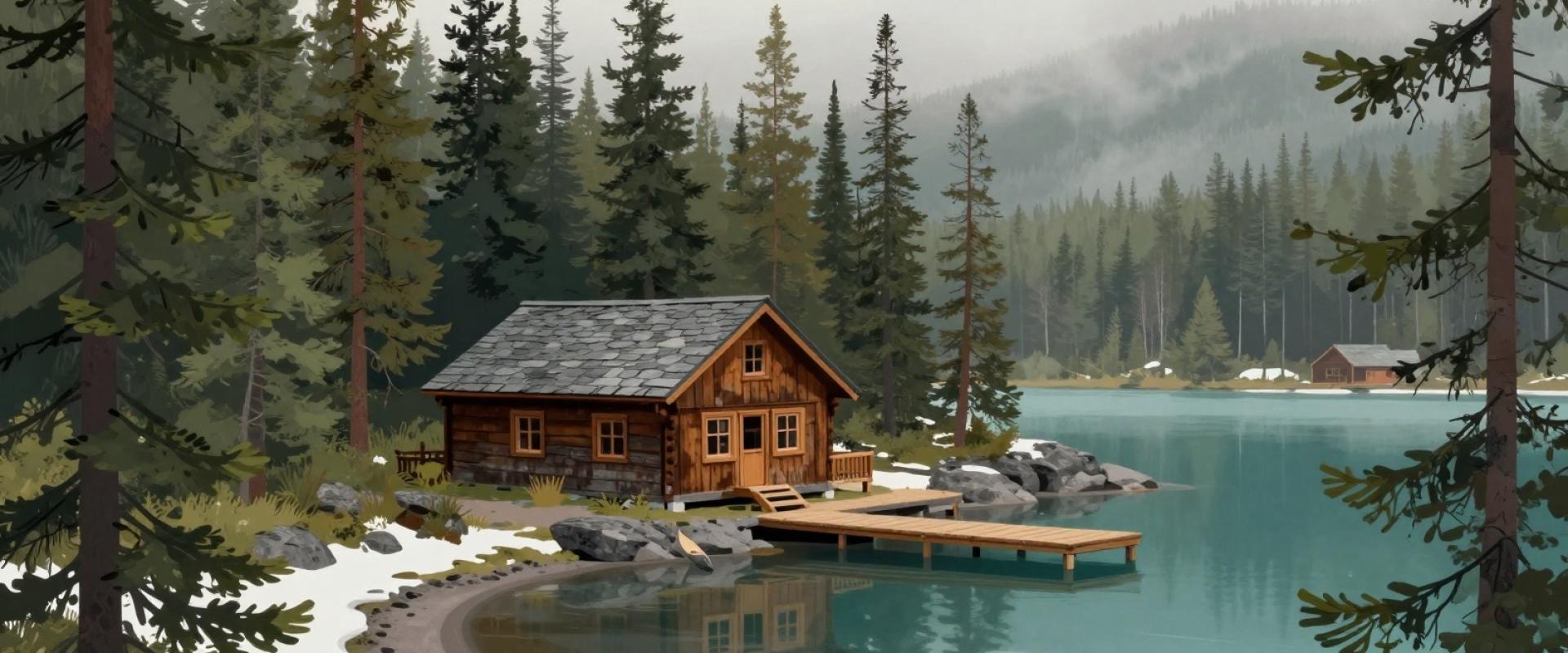
Canadian wilderness accommodations range from rustic cabins to remote lodges. These structures prioritize isolation over standard hotel convenience. Locations concentrate in British Columbia, Alberta, Ontario, and the Yukon. Access often requires fly-in or boat transport for true remoteness. Road-remote options exist but remain limited in northern territories. These sites function as recreational hubs for hiking and fishing. Guests engage directly with pristine landscapes and wildlife. Infrastructure realities define the experience. Many lodges rely on generators for electricity. Water systems may be non-piped or seasonal. Plumbing is often basic or compost-based. Connectivity is rarely guaranteed. Cell service is typically absent in these zones. The value proposition centers on immersion. Travelers trade modern amenities for natural silence. This model supports activities like heli-skiing and paddling. Luxury integration varies by property. Some offer high-end comfort within wild settings. Others provide basic shelter for backcountry exploration. Expectations must align with geographic constraints. True wilderness implies limited infrastructure and self-reliance. This distinction separates Canadian lodges from conventional resorts.
Regional Variations and Accessibility
Access varies significantly across Canadian regions. Highway-accessible lodges exist in the Rockies. These offer standard vehicle entry. Remote northern properties require specialized transport. Floatplanes and bush planes are essential in Northern Ontario and Yukon. Travelers must check weight restrictions carefully. Luggage limits are strict for small aircraft. Excess baggage incurs high fees. Seasonal access dictates travel methods. Ice roads open in winter for some areas. Snowmobiles provide mobility during deep snow. Boats remain necessary for lakefront cabins. Helicopters serve the most isolated sites. Always verify road conditions before departure. Weather dependencies can delay or cancel trips. Northern Ontario and Manitoba rely on fly-in options. Saskatchewan and Yukon also use air transfers. Road-remote lodges exist but require planning. Verify seasonal availability for each region. Transportation modes change with the weather. Plan for potential delays in remote zones. Confirm luggage allowances with the lodge operator. Small aircraft have strict payload limits. Budget for additional transport costs. These fees are often non-refundable. Check weather forecasts daily during travel. Ice road closures happen without warning. Boat access requires calm water conditions. Helicopter transfers cost significantly more. Prepare for limited connectivity in these areas. Communication may be restricted to emergencies only.
Amenities and Comfort Expectations
Canadian wilderness accommodations span a wide spectrum. Basic cabins often lack linens and standard plumbing. Guests may use composting toilets and outdoor showers. These rustic options prioritize isolation over convenience. Luxury eco-resorts offer high-end comfort in remote areas. Power generation varies by location and season. Many lodges rely on hydro, solar, or diesel generators. Power fluctuations can occur during heavy usage or storms. Hot water supply may be limited in off-grid settings. Internet connectivity is often unreliable or nonexistent. This intentional lack of digital access defines the experience. Some properties offer satellite Wi-Fi for essential communications. Guests should review specific property amenities before booking. Road-remote lodges in northern Ontario or BC differ significantly. Fly-in properties in the Yukon require careful planning. Always confirm utility availability for your specific stay. Understanding these constraints ensures a realistic travel expectation. Preparation is key for a successful wilderness retreat.
Safety Protocols and Wildlife Coexistence
Canadian wilderness lodges enforce strict wildlife safety protocols. Guests must use mandatory bear-proof food storage containers. Cooking zones remain separated from sleeping areas to prevent attractants. Guided briefings cover local bear behavior and proper bear spray usage. These sessions ensure guests understand deployment techniques before entering the wild. Emergency evacuation logistics prioritize rapid response in remote regions. Helicopter transport serves as the primary evacuation method for serious injuries. Satellite communication devices are standard equipment for all remote cabins. These tools maintain contact with emergency services when cellular networks fail. Fire prevention protocols intensify during dry Canadian summer seasons. Lodges restrict open fires to designated metal rings only. Guests must fully extinguish all embers before leaving fire sites. Adhering to these instructions protects both visitors and the fragile ecosystem. Non-compliance with safety rules may result in immediate lodge expulsion. These measures ensure safe coexistence with Canada’s diverse wildlife populations.
Booking Strategies and Seasonal Timing
Canadian wilderness lodges require six to twelve months advance booking for peak summer and fall seasons. High demand in British Columbia and Alberta drives this early reservation necessity. Many remote properties operate on strict seasonal calendars. Northern lodges in Yukon and Northwest Territories often close entirely during winter months due to extreme weather. Cancellation policies remain strict because of complex logistics. Remote supply chains make last-minute changes difficult and costly. Travelers should review these terms carefully before confirming. Pricing structures frequently bundle essential services. Rates often include all meals and guided activities. This model simplifies budgeting for multi-day stays. Hunting seasons significantly impact wildlife viewing opportunities. Some regions restrict hunting to protect tourist experiences. Others allow coexistence, requiring heightened safety awareness. Guests must verify specific lodge policies regarding local hunting schedules. This ensures desired wildlife encounters remain safe and uninterrupted. Planning around these seasonal constraints is essential for a successful Canadian wilderness trip.