


Canadian art reflects diverse cultural heritage. Government funding supports major institutions. The Canada Council for the Arts provides grants. This structure supports local artists and museums. Public spaces often feature public art installations. These works integrate art into daily urban life. Major cities host world-renowned museums. Toronto, Montreal, and Vancouver offer extensive galleries. Visitors can explore indigenous art and international works. The cultural landscape includes both traditional and contemporary forms. Access to these institutions is widely available. Public funding ensures accessibility for all citizens. This framework supports a vibrant creative community across the country.
Major Institutions and Regional Highlights
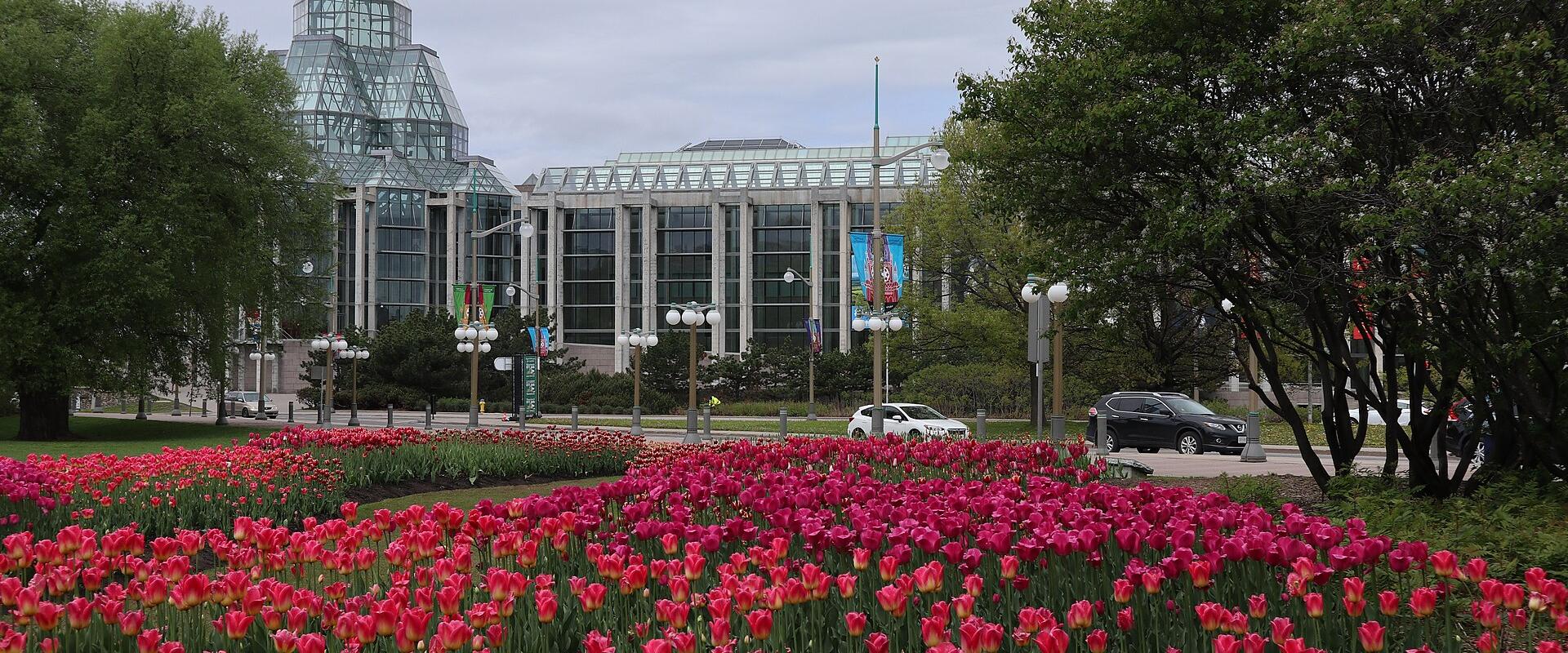
The National Gallery of Canada in Ottawa anchors the capital’s cultural scene. It houses an extensive collection of Indigenous and international art. This institution sets a high standard for Canadian cultural heritage. In Montreal, the Montreal Museum of Fine Arts offers deep historical context. Its collection highlights significant Franco-Canadian artistic heritage and tradition. This focus preserves the unique cultural identity of the region. In Toronto, the Art Gallery of Ontario provides a comprehensive view. It showcases both Canadian modern and traditional artistic styles. These major institutions form the backbone of the country’s arts sector. They provide essential access to high-quality creative works. Visitors can explore diverse perspectives through these established collections. The institutions support local artists while preserving historical artifacts. This structure ensures a comprehensive cultural experience for all. Each location offers a distinct perspective on Canadian identity. The collection diversity reflects the nation's multicultural reality. Access to these works is central to the cultural experience. The institutions serve as vital community hubs for art. They preserve heritage while embracing contemporary creative expressions. This balance defines the unique character of Canadian arts.
Regional Art Hubs and Local Gems
Vancouver’s art scene centers on the Vancouver Art Gallery. This institution showcases West Coast contemporary art. It highlights regional perspectives distinct from other Canadian cities. Montreal offers a different cultural experience. Its galleries emphasize French-Canadian artistic traditions. This reflects the province’s unique linguistic heritage. The visual style often incorporates local themes. Winnipeg provides a distinct northern perspective. The Winnipeg Art Gallery features significant Inuit art. This collection highlights northern Canadian perspectives. It includes traditional and contemporary works. These regional hubs define local cultural identities. They support local artists uniquely. Each city curates its own specific narrative. This diversity enriches the national art landscape. Visitors experience unique regional voices in each location. The local character shapes the artistic output. This creates distinct cultural experiences across the country. Each hub maintains its unique artistic identity.
Practical Logistics and Access
Canadian museums often offer free admission on specific days. Check the National Gallery of Canada website for current policies. Many provincial institutions provide discounted rates for students. Seniors and youth typically receive reduced entry fees. Always verify opening hours before visiting. Hours vary significantly between major cities and rural areas. Some galleries close on Mondays or Tuesdays. Online reservations are increasingly mandatory for popular venues. Book tickets weeks in advance during summer months. Peak season crowds affect wait times at entry points. Arrive early to avoid long queues at major hubs. The National Gallery in Ottawa sees high traffic in July. Plan extra time for security checks during busy periods. Winter visits offer shorter lines and quieter experiences. Verify parking availability at urban galleries. Street parking is limited in downtown Toronto and Montreal. Public transit remains the most reliable access method. Use local transit apps for real-time updates. Some remote galleries require four-wheel-drive vehicles. Check road conditions before traveling to northern regions. Always carry cash for small gift shops. Credit cards are widely accepted at major institutions.
Etiquette and Accessibility
Visitors must maintain a quiet atmosphere in Canadian galleries. Loud conversations disrupt the experience for others. Most institutions enforce strict no-flash photography policies. Flash damages sensitive pigments and historical artifacts. Check specific museum websites for current rules. Some galleries allow photography without flash. Accessibility features vary by institution. Major venues like the National Gallery offer elevators. Wheelchair access is standard in urban centers. Smaller regional galleries may have limited access. Contact staff in advance for accommodations. Personal space is crucial in crowded exhibits. Maintain distance from artwork to ensure preservation. Do not touch paintings or sculptures. Use provided barriers or designated viewing areas. Respect Indigenous protocols in cultural museums. Some areas may restrict photography or entry. Follow signage regarding restricted zones. Canadian museums prioritize visitor safety and art conservation. Adhering to these guidelines ensures a respectful visit. Plan your trip around accessibility needs. Verify opening hours and special requirements online. This preparation enhances your cultural experience.